

Over 80 percent of british parents report challenges creating safe and stimulating play spaces at home, affecting both their children’s happiness and development. The right play environment goes far beyond just toys, as well planned zones can promote confidence, movement, and creativity indoors and outdoors. This guide will help you evaluate your space, choose smart equipment, plan engaging activities, and build flexible routines for growing minds and bodies.
Table of Contents
- Stage 1: Assess Your Indoor And Outdoor Play Spaces
- Stage 2: Select Suitable Toys And Equipment For Active Play
- Stage 3: Plan Diverse Activities To Encourage Movement
- Stage 4: Guide Children Through Engaging Play Sessions
- Stage 5: Review And Adapt Play Routines For Lasting Enjoyment
Quick Summary
| Key Point | Explanation |
|---|---|
| 1. Assess play areas for safety | Conduct thorough inspections of both indoor and outdoor spaces to identify hazards and ensure child safety during play. |
| 2. Choose versatile active play equipment | Select a range of toys that promote physical development and challenge motor skills while maintaining safety and engaging interest. |
| 3. Plan diverse and engaging activities | Design a variety of activities that incorporate different movement styles, ensuring to include both structured games and free play opportunities. |
| 4. Guide play with balance | Facilitate play by providing guidance while allowing children to explore their capabilities independently, fostering confidence and skill development. |
| 5. Review and adapt routines regularly | Continuously observe and modify play routines based on children’s interests and developmental stages to maintain engagement and enjoyment. |
Stage 1: Assess your indoor and outdoor play spaces
Preparing an engaging play environment requires thoughtful evaluation of your available indoor and outdoor spaces. By systematically assessing these areas, you can create safe and stimulating zones that encourage active movement and imaginative play.
Start with a comprehensive safety inspection of play areas that covers equipment condition, surface quality, and potential hazards. The Royal Society for the Prevention of Accidents recommends annual reviews to ensure child safety. Walk through each space critically examining floor surfaces, furniture placement, potential sharp edges, and clear pathways for movement. Outdoor zones need particular attention check ground surfaces for evenness, remove loose debris, and ensure equipment stability.
Consider space versatility and adaptability. The UK government guidelines highlight the importance of creating inclusive environments with multiple surface types that accommodate different play styles. This might mean designating areas for active movement like jumping and running alongside quieter zones for building and creative play. Small adjustments like moving furniture to create clear movement corridors or using soft floor mats can transform an ordinary room into a dynamic play zone. Your goal is flexibility spaces that can shift and change as your children grow and their play needs evolve.
Warning: Always supervise children during play and regularly reassess space safety as children develop new skills and abilities.
Stage 2: Select suitable toys and equipment for active play
Choosing the right toys and equipment is crucial for encouraging active play that supports your children’s physical development and keeps them engaged. The goal is to select items that motivate movement and challenge their growing motor skills.
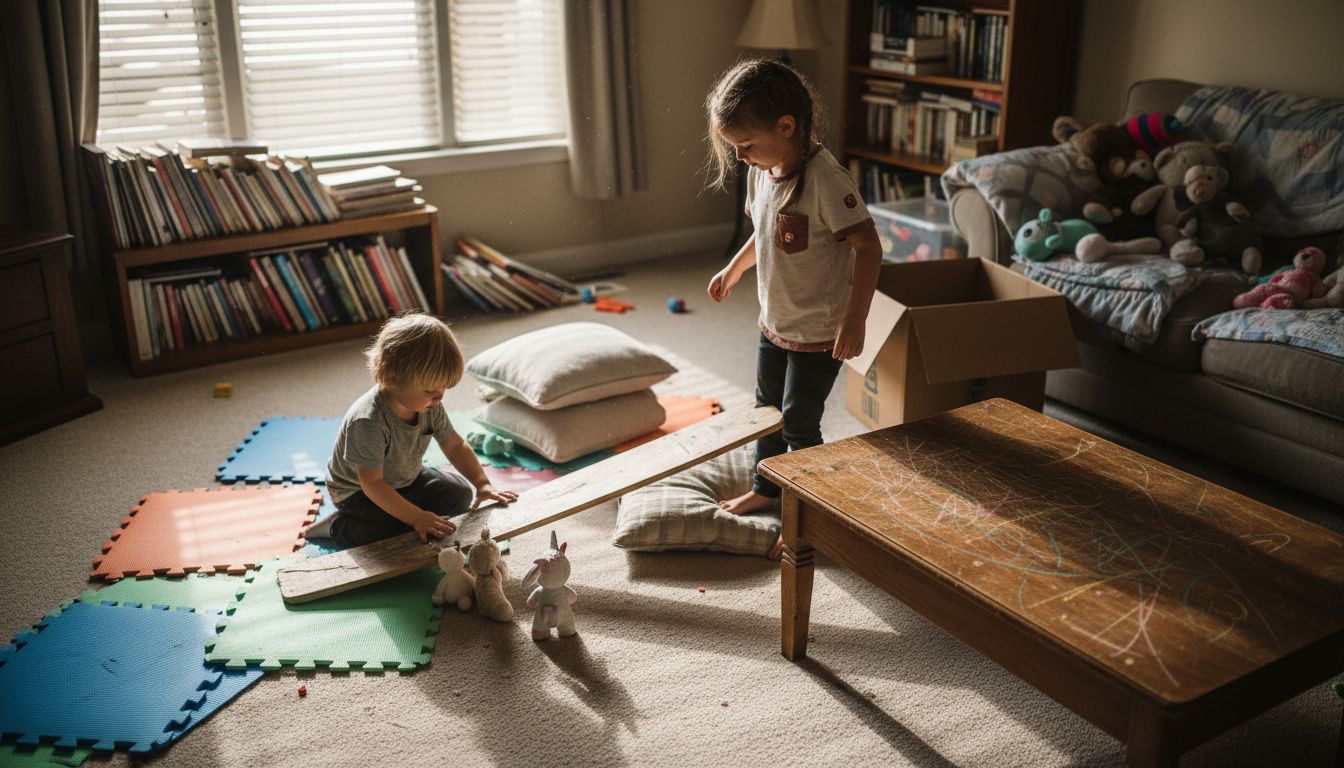
Explore comprehensive active play equipment that supports different movement styles and skill levels. Quality resources like those from TTS Group offer versatile options including skipping ropes, playballs, bean bags, and balance tools designed for both indoor and outdoor play. Look for items that challenge coordination such as climbing frames, ride on toys, and equipment that encourages jumping, spinning, and creative physical exploration. Specialised play equipment from Community Playthings demonstrates how well designed toys can specifically target gross motor skill development through nursery gyms and indoor climbing structures.
When selecting active play equipment, consider your child’s age, current physical capabilities, and interests. Rotate toys periodically to maintain excitement and progressively introduce more complex movement challenges. Aim for a mix of structured equipment and open ended items that allow imaginative physical play. Prioritise safety by checking equipment stability, appropriate sizing, and ensuring supervised play environments.
Warning: Always inspect toys for potential hazards and replace equipment that shows signs of wear or damage.
Stage 3: Plan diverse activities to encourage movement
Creating a dynamic movement routine requires imagination and strategic planning to keep children engaged and physically active. Your goal is to design a variety of activities that challenge different muscle groups and motor skills while maintaining an element of fun and spontaneity.
Explore versatile sports equipment that supports multiple movement styles and skill development. Zsig offers comprehensive options for introducing children to different physical activities ranging from soft ball games for younger children to more advanced multi sport kits. Consider incorporating activities like balance and coordination challenges using tools such as stepping stones or spinning equipment that encourage core strength and spatial awareness. These activities not only promote physical development but also help children build confidence in their movement capabilities.
Design your movement plan with variety and progression in mind. Mix structured activities like organised games with free play opportunities that allow children to explore movement independently. Rotate activities weekly to prevent boredom and continuously challenge their developing skills. Include both indoor and outdoor options to ensure consistent physical engagement regardless of weather conditions. Remember that the key is making movement feel like an enjoyable experience rather than a structured exercise routine.
Warning: Always supervise children during physical activities and ensure the environment is safe and age appropriate.
Stage 4: Guide children through engaging play sessions
Navigating play sessions requires a delicate balance of guidance and freedom, allowing children to explore their physical capabilities while maintaining a safe and stimulating environment. Your role is to facilitate play that challenges and supports their developmental journey.
Design play experiences that adhere to comprehensive safety guidelines for play spaces. The UK government recommends creating versatile environments with multiple surfaces that accommodate different activity levels and encourage year round engagement. Regular safety inspections are crucial to maintaining a secure play environment that minimises potential risks while maximising developmental opportunities.
Adopt a supportive approach that balances structured guidance with child led exploration. Start by demonstrating activities and setting clear boundaries, then allow children to experiment and discover movement independently. Rotate between different types of activities to maintain interest encouraging both quiet and active play. Observe their interactions carefully offering gentle encouragement and support when they seem challenged or frustrated. Your goal is to create a playful atmosphere that builds confidence and motivates continued physical exploration.
Warning: Always remain attentive and present during play sessions, ready to intervene if safety becomes a concern.
Stage 5: Review and adapt play routines for lasting enjoyment
Maintaining engaging play experiences requires continuous observation and thoughtful adaptation. Your goal is to create dynamic play routines that evolve with your children’s changing interests and developmental stages.
Annual play area safety inspections provide an excellent framework for systematic routine assessment. RoSPA recommends comprehensive reviews that identify potential improvements in play environments and activity designs. Track your children’s responses to different activities noting which spark genuine excitement and which seem to lose their appeal. The UK government guidance on learning environments emphasises creating inclusive spaces that accommodate multiple play styles and developmental needs.
Develop a flexible approach to play routines. Introduce new challenges periodically while preserving familiar elements that provide comfort and confidence. Observe how your children interact with different activities their body language energy levels and engagement will signal when a routine needs refreshing. Consider introducing progressive variations of existing activities that incrementally increase complexity allowing children to build skills gradually and maintain their sense of achievement.
Warning: Be attentive to individual differences some children adapt quickly while others require more time and gentle encouragement during routine transitions.
Unlock Joyful Active Play with Learning Bugs
Parents often face the challenge of creating safe, stimulating spaces that inspire their children to move and explore confidently. This article highlights the importance of careful play space assessment, selecting suitable active play equipment, and planning engaging activities that keep children excited about physical movement. At Learning Bugs we understand these goals and offer a curated collection of high-quality toys that promote imagination alongside gross motor skill development.
Discover how our timeless wooden toys, ride-ons, and role play sets can transform your indoor and outdoor areas into vibrant movement zones while nurturing your child’s creativity. Whether you are addressing safety concerns or seeking to introduce diversified play routines our carefully selected products support every step of your child’s journey. Take the first step towards lasting active play experiences by exploring our range today.
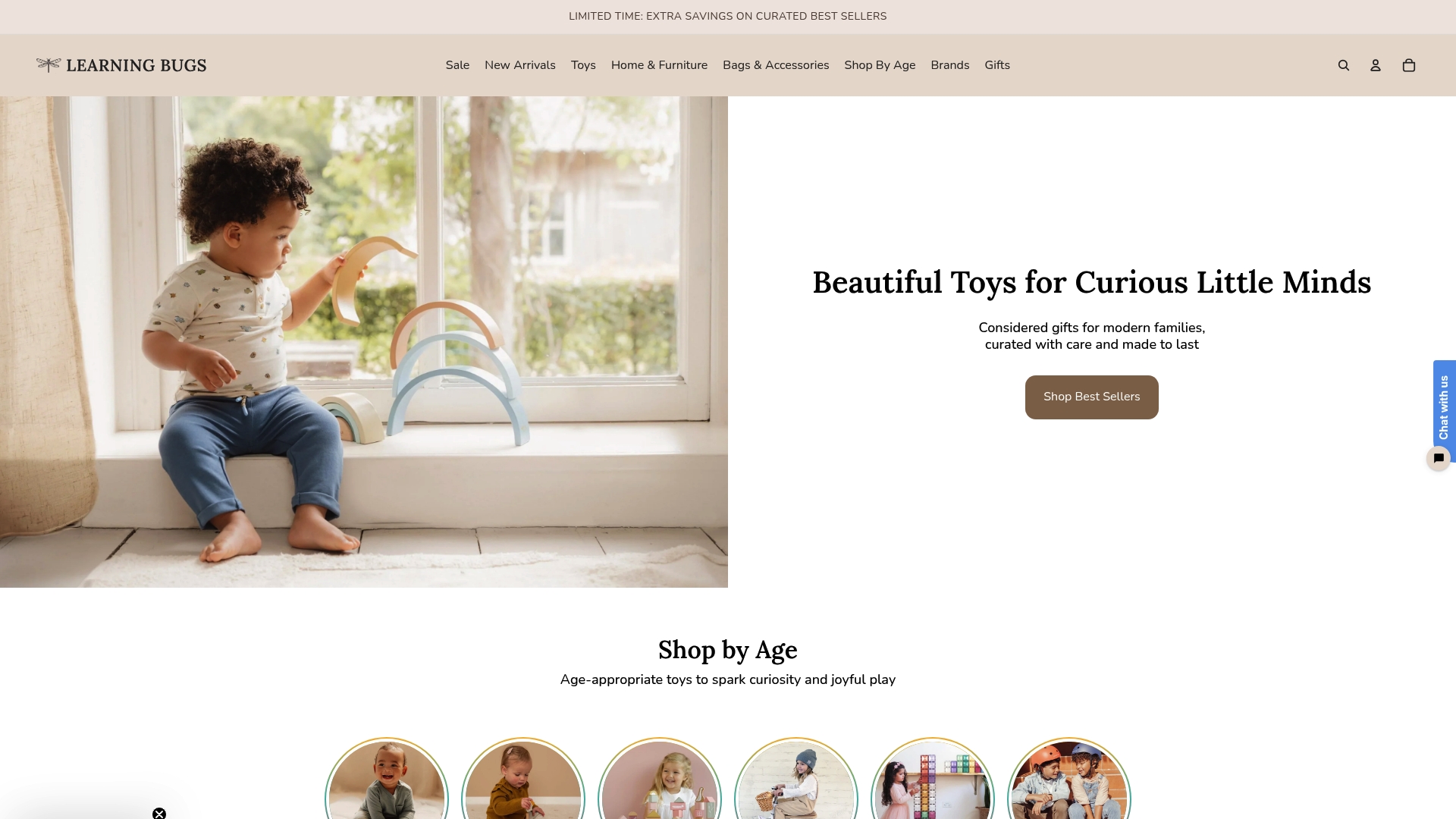
Ready to boost your child’s daily movement and joy? Visit Learning Bugs now to find inspiring active play toys and expert guidance. Start creating those meaningful moments of play that spark confidence, growth, and happiness. Your child’s next adventure in active play awaits.
Frequently Asked Questions
How can I assess my indoor and outdoor play spaces for active play?
Start by conducting a thorough safety inspection of all play areas, focusing on equipment condition, surface quality, and potential hazards. Regularly review these spaces to ensure a safe environment that encourages movement and imaginative play.
What types of toys and equipment should I choose to encourage active play?
Select toys and equipment that promote various movement styles and support physical development, such as climbing frames, playballs, and balance tools. Aim for a mix of structured items and open-ended toys that foster imaginative physical exploration.
How can I create a movement routine that keeps children engaged?
Design a variety of activities that challenge different muscle groups while remaining enjoyable. Rotate between structured games and free play opportunities to prevent boredom and promote sustained physical engagement.
What approach should I take to guide children during play sessions?
Facilitate play by demonstrating activities and allowing for child-led exploration within a safe environment. Maintain a balance of guidance and freedom to build confidence while ensuring safety during their play experiences.
How often should I review and adapt play routines for my children?
Regularly assess play routines based on children’s engagement and interests, ideally on an annual basis. Introduce new challenges while keeping familiar elements to ensure that play remains enjoyable and progressively develops their skills.
Recommended
- Understanding Why Outdoor Play Toys Benefit Children – Learning Bugs
- How Toys Inspire Creativity: Complete Guide for Parents – Learning Bugs
- 7 Inspiring Examples of Open-Ended Toys for Creative Play – Learning Bugs
- Step-by-Step Guide to Open-Ended Play for Modern Families – Learning Bugs
- Making Learning Fun: Engaging Activities for Your Kids – The Zoofamily
- Fun Colour Mixing for Toddlers: Monster Trucks and Paint!