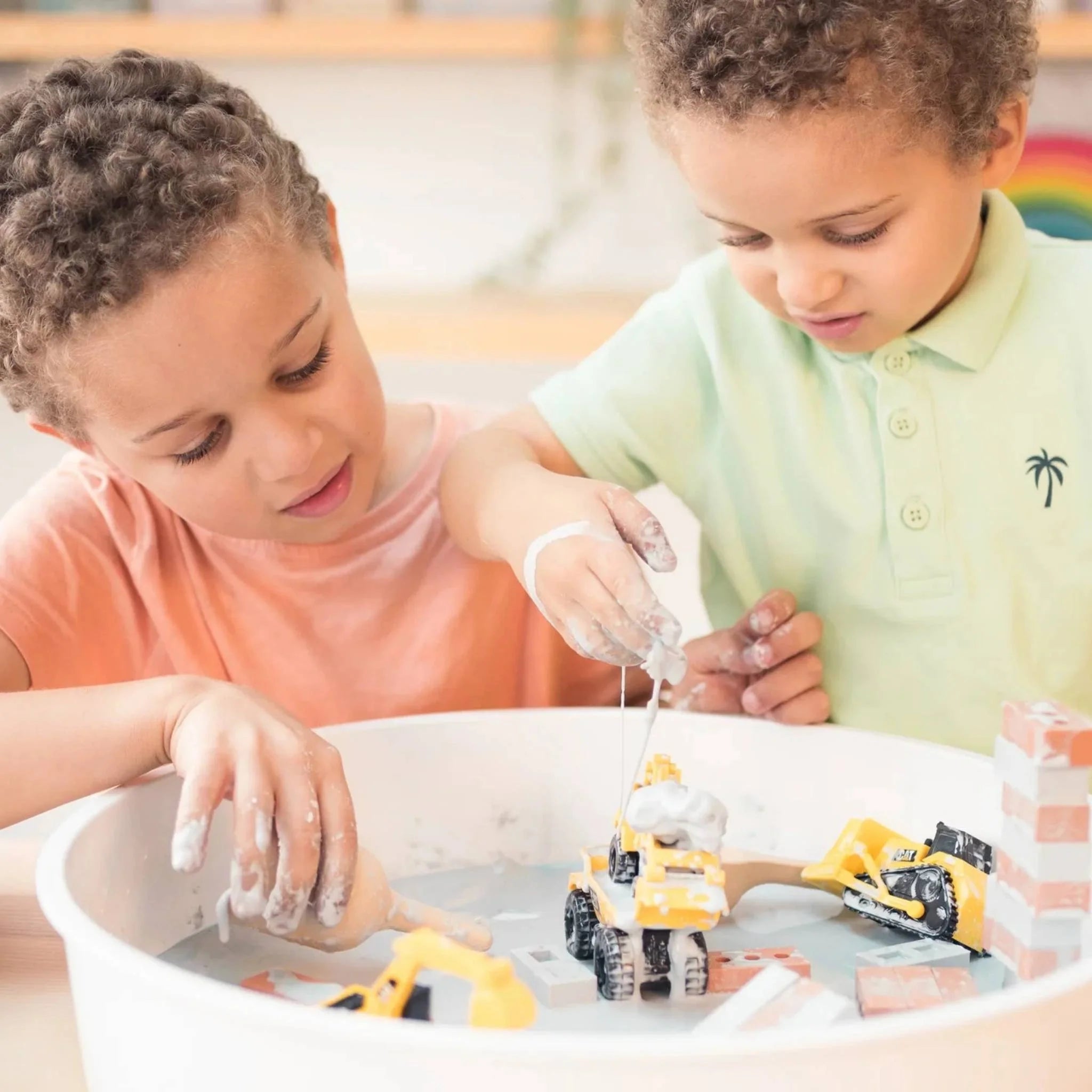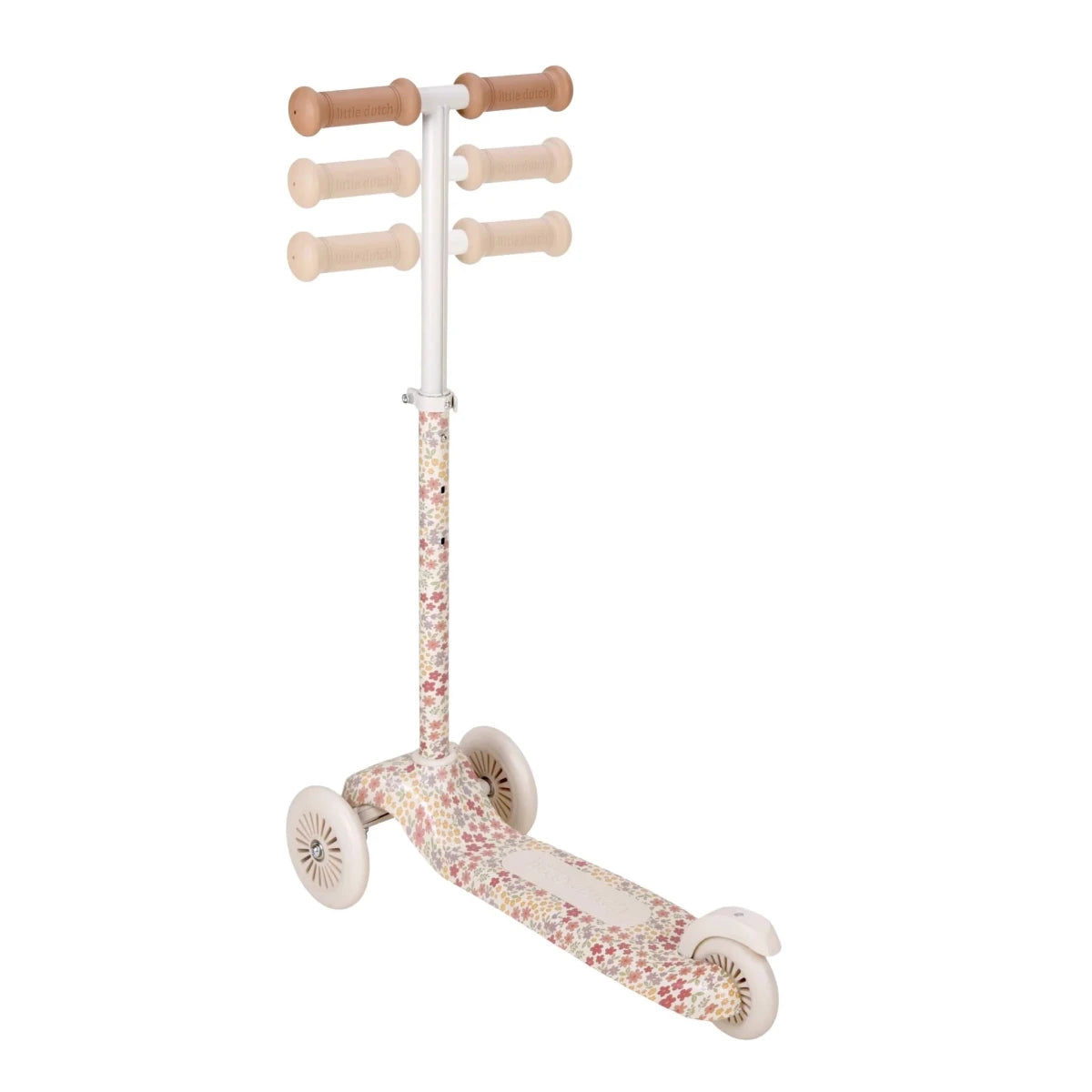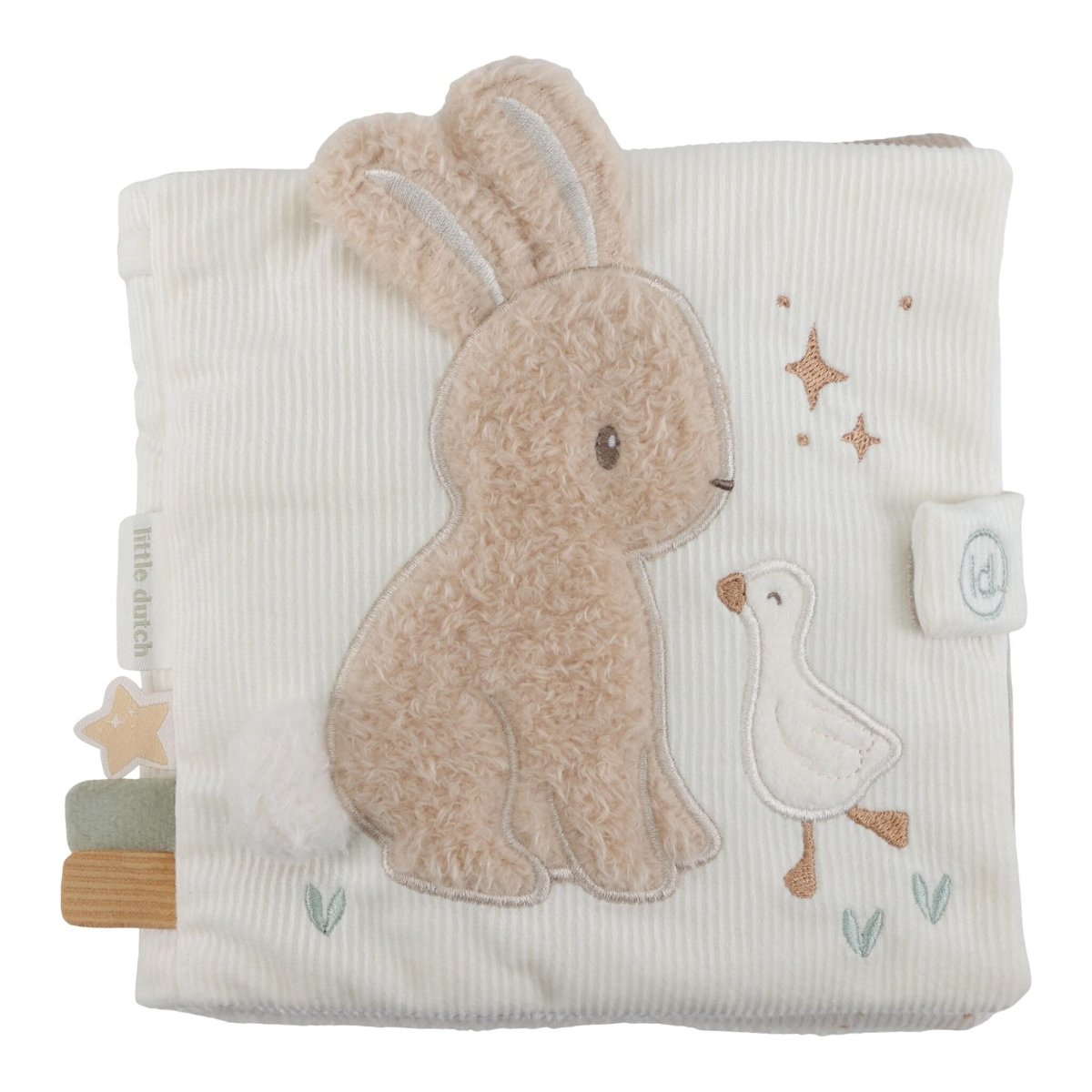

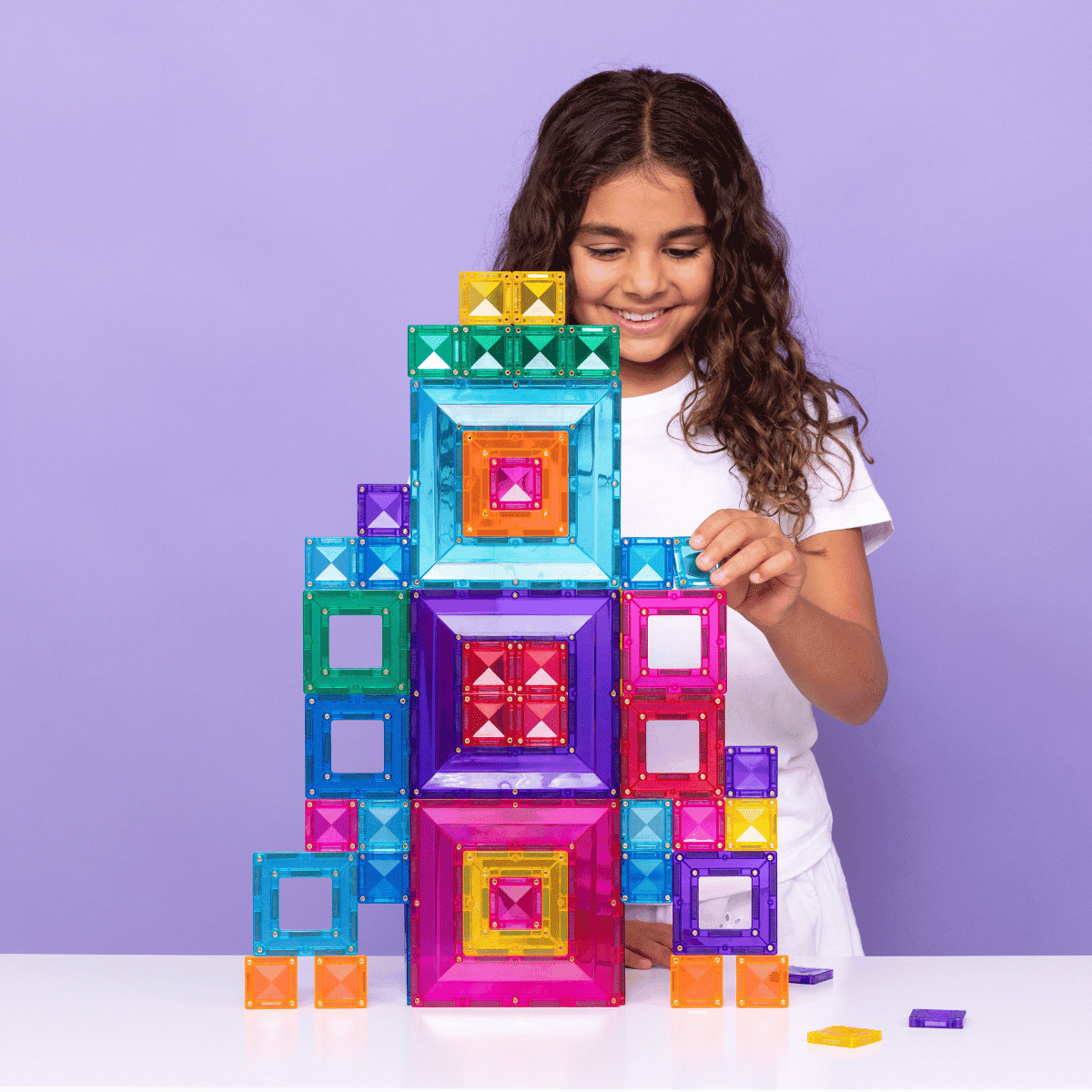
Children spend more than 75 percent of their waking hours at play, shaping how they learn and grow every day. The toys you choose can spark curiosity, build skills, and even boost confidence in ways many parents overlook. Thoughtfully selected educational toys do more than entertain. They help children practice problem solving, foster creativity, and navigate social situations with greater understanding.
Table of Contents
- Understanding Educational Toys and Their Purpose
- Key Types of Educational Toys for Children
- Developmental Benefits: Cognitive, Social, and Emotional
- How to Choose Safe and Age-Appropriate Toys
- Common Misconceptions About Educational Toys
Key Takeaways
| Point | Details |
|---|---|
| Educational Toys Enhance Development | Designed to promote cognitive, motor, social, and emotional skills, educational toys transform play into impactful learning experiences. |
| Selection of Toys Matters | Choose age-appropriate and safe toys that meet developmental needs while avoiding common misconceptions about cost and complexity. |
| Types of Educational Toys | Key categories include symbolic play, fine motor manipulation, literacy, math, science exploration, and cooperative games, each targeting specific skills. |
| Encourage Exploration and Creativity | Effective educational toys nurture independent exploration, problem-solving, and creative thinking in children. |
Understanding Educational Toys and Their Purpose
Educational toys represent strategic learning tools designed to transform playtime into meaningful developmental experiences for children. According to research from Virtual Lab School, these specialized toys are engineered to promote specific learning objectives while keeping children thoroughly engaged and entertained.
At their core, educational toys serve multiple developmental purposes beyond simple entertainment. They are meticulously crafted to support key developmental domains including cognitive skills, motor coordination, social interaction, and emotional intelligence. By integrating learning principles directly into play experiences, these toys help children explore, experiment, and understand complex concepts through natural, intuitive engagement.
The most effective educational toys share several critical characteristics. They typically:
- Encourage active problem solving
- Stimulate imagination and creativity
- Provide age-appropriate challenges
- Support skill progression across different developmental stages
- Create opportunities for independent exploration

Parents seeking meaningful play experiences can explore educational toy types that align with their child’s unique developmental needs, transforming playtime into powerful learning opportunities.
Key Types of Educational Toys for Children
Educational toys represent a diverse spectrum of learning tools designed to support children’s holistic development. According to research from the American Academy of Pediatrics, these toys can be strategically categorized into several key developmental domains that target specific learning objectives.
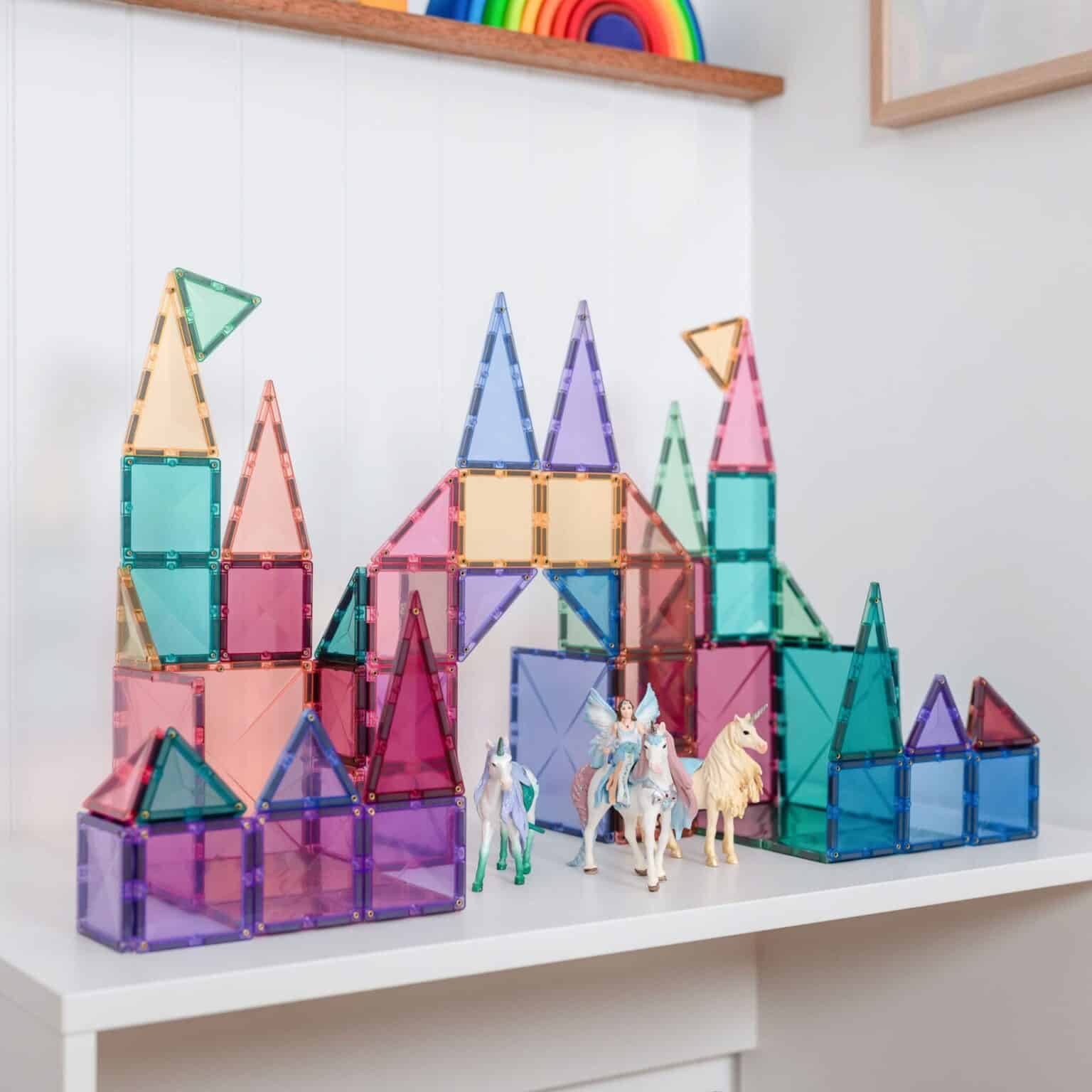
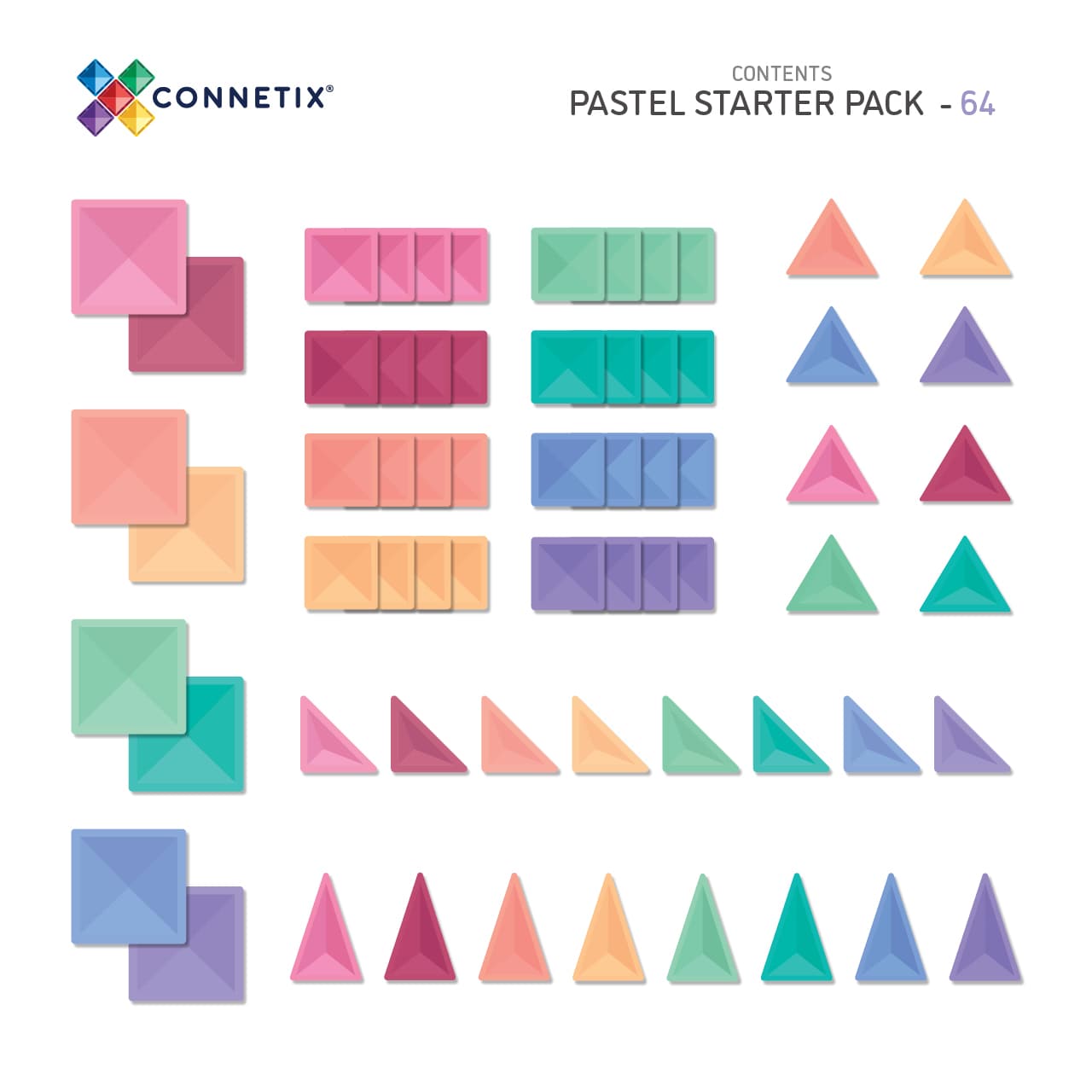
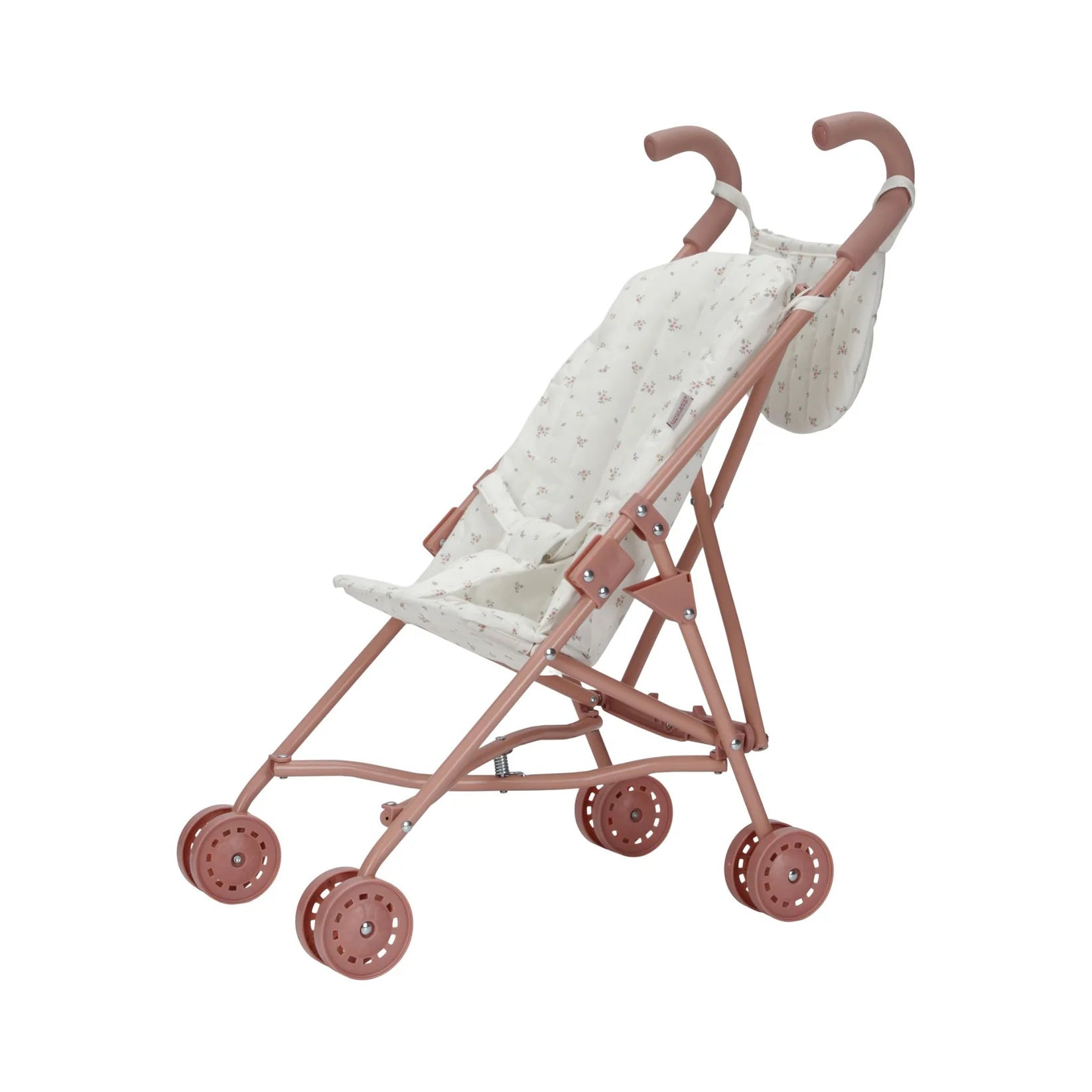
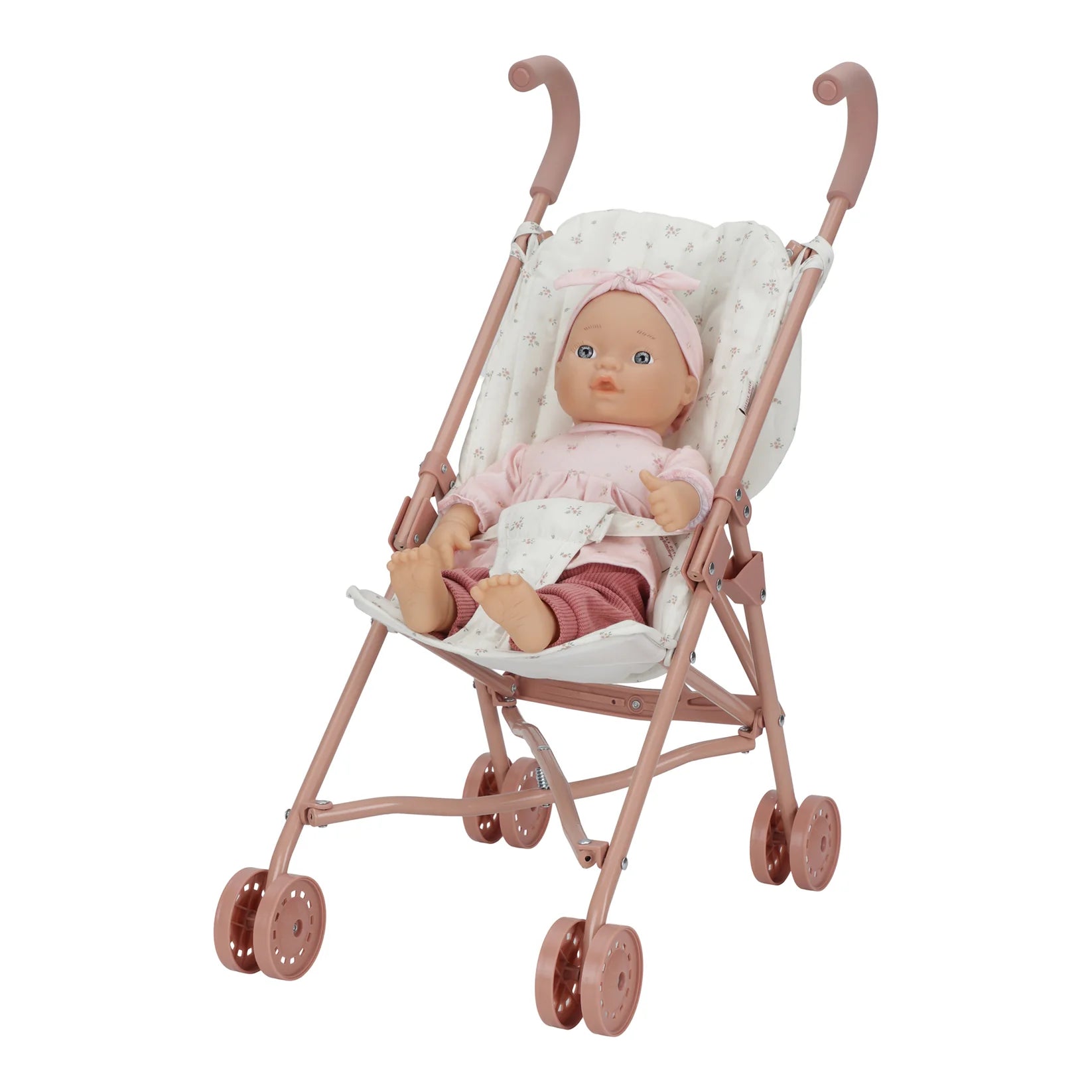
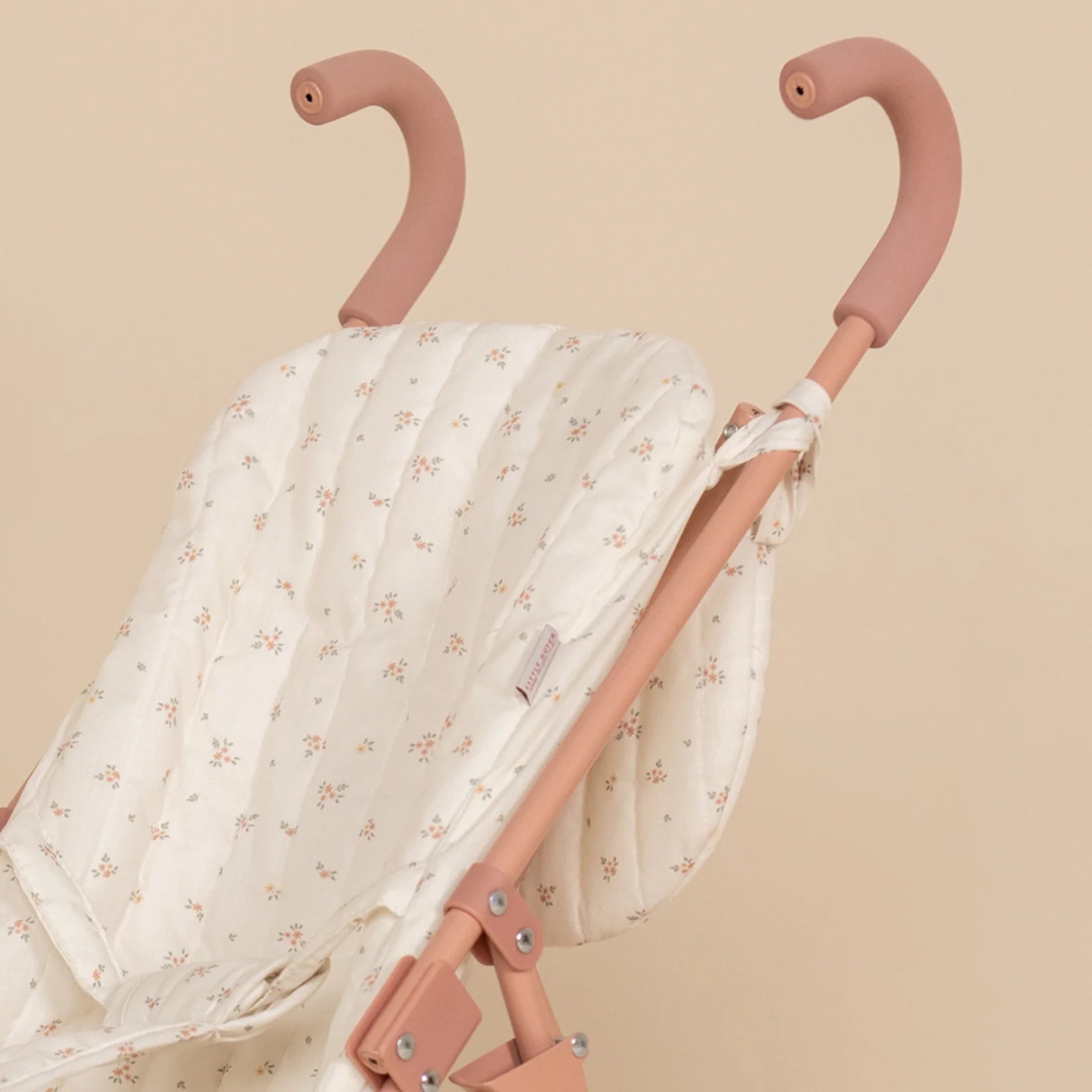
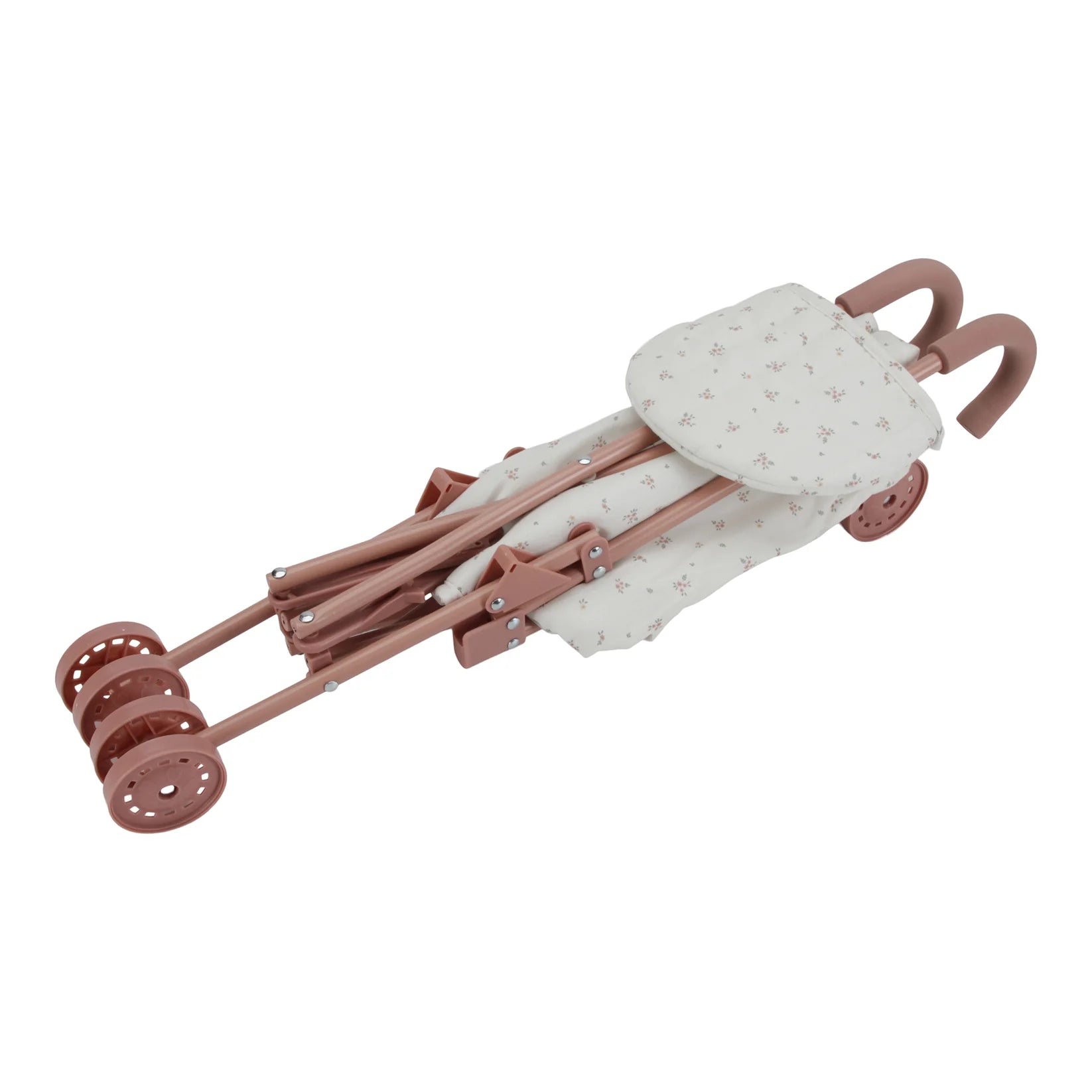
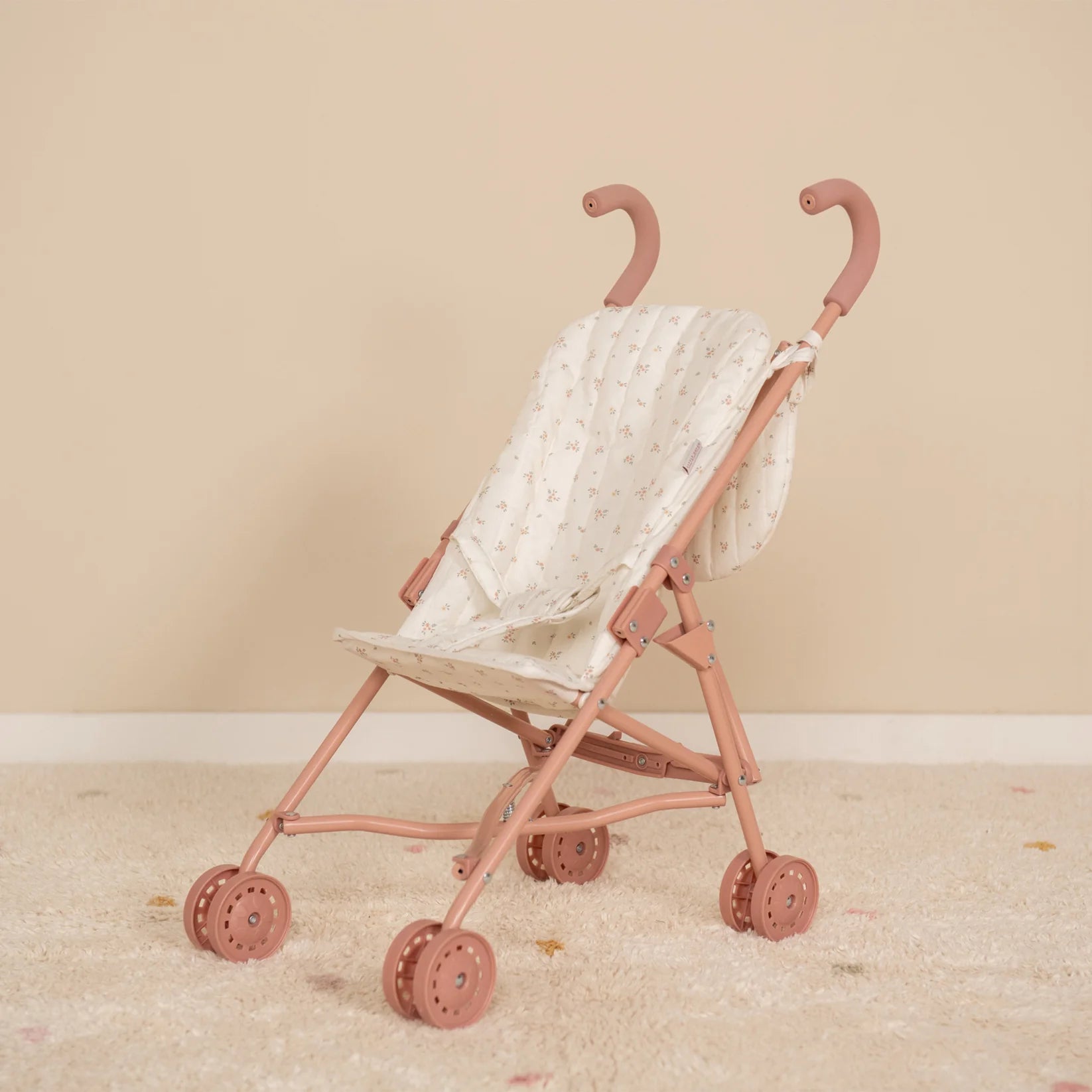
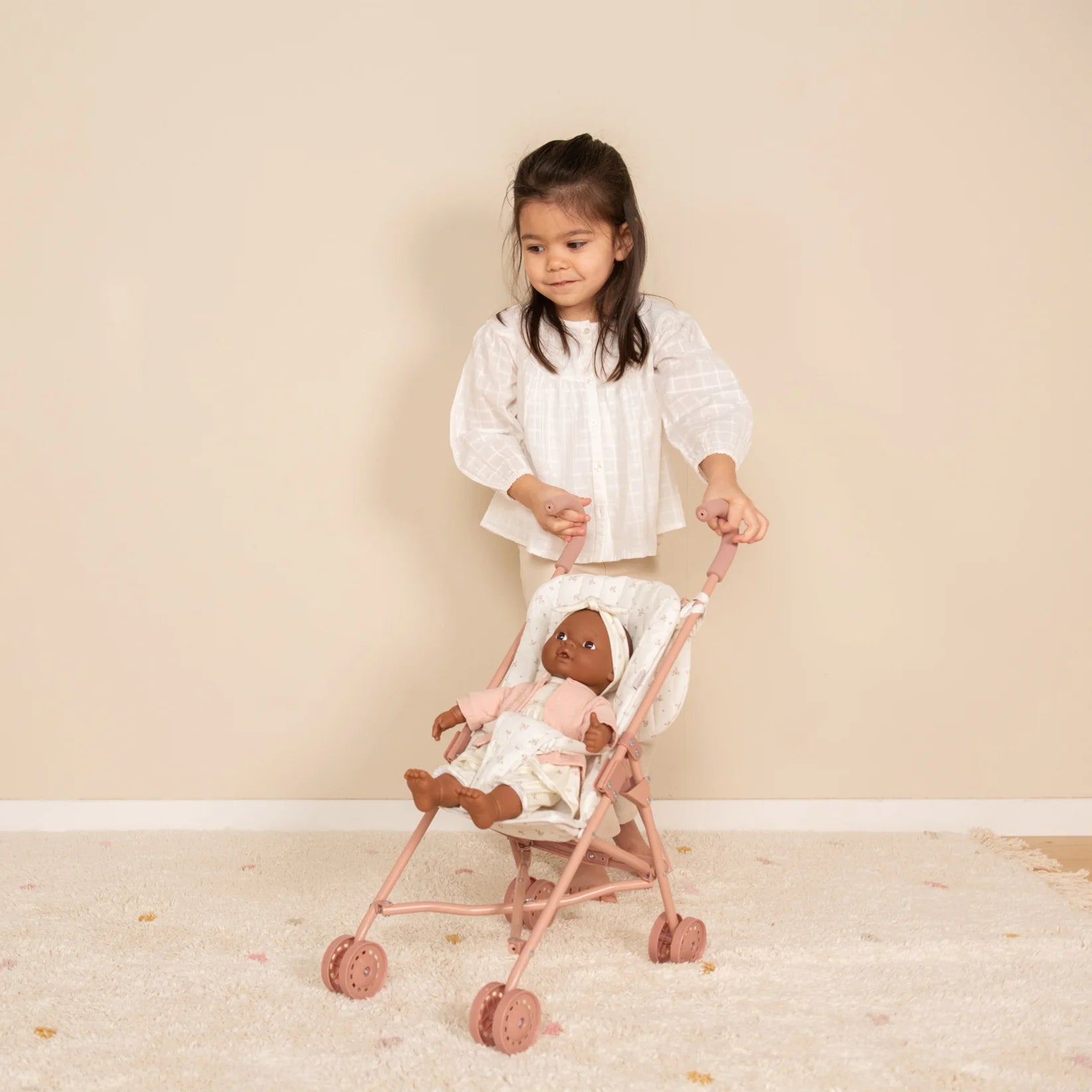
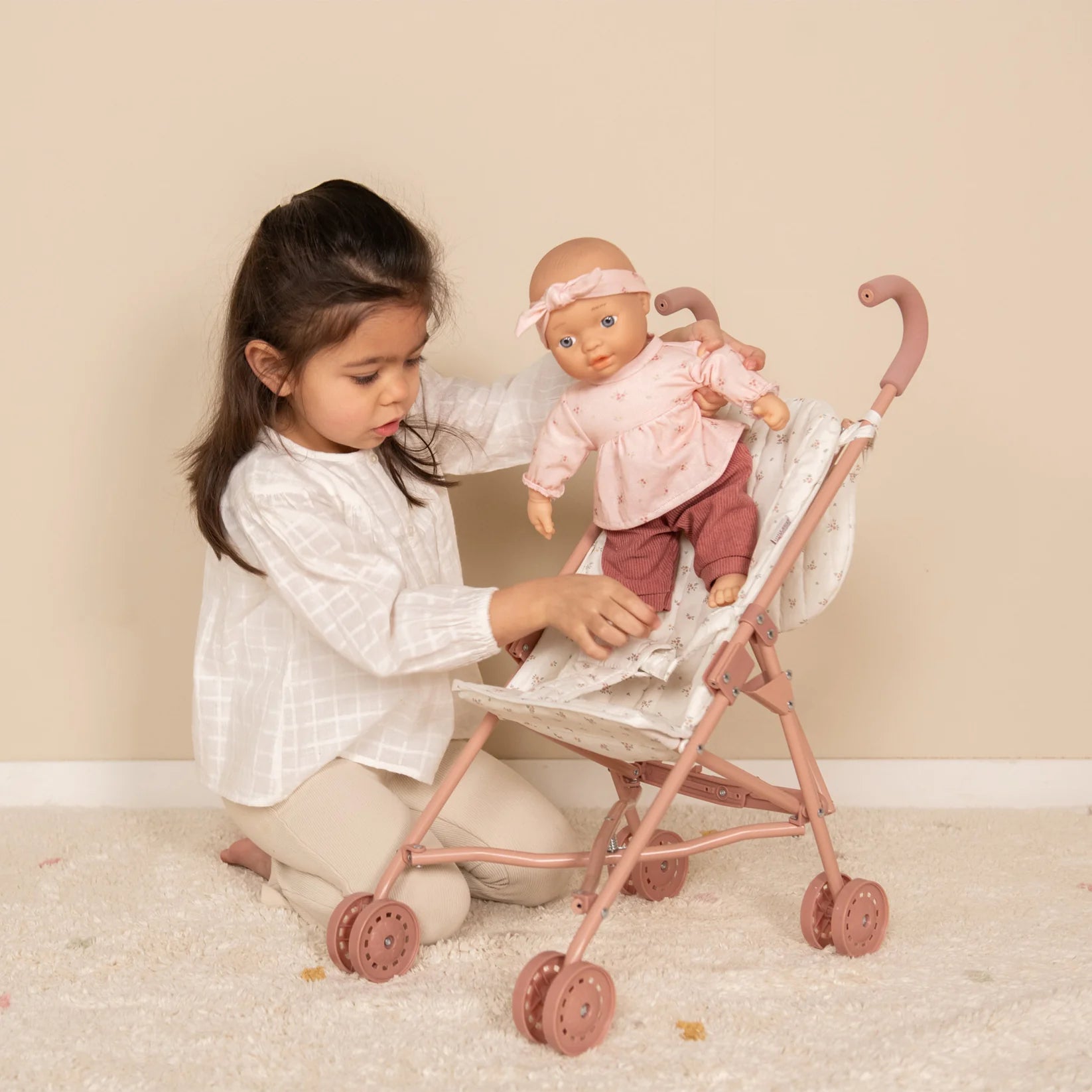
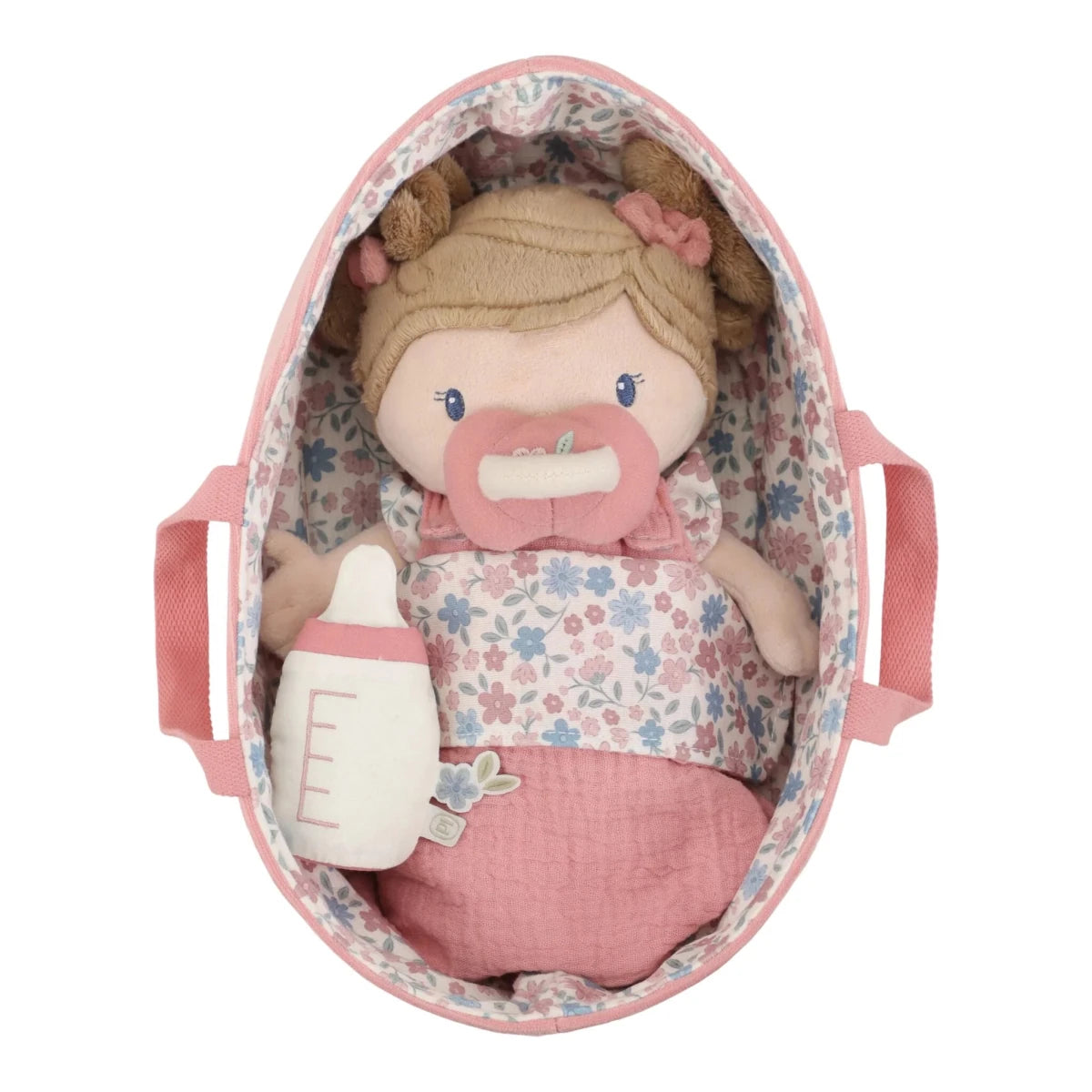
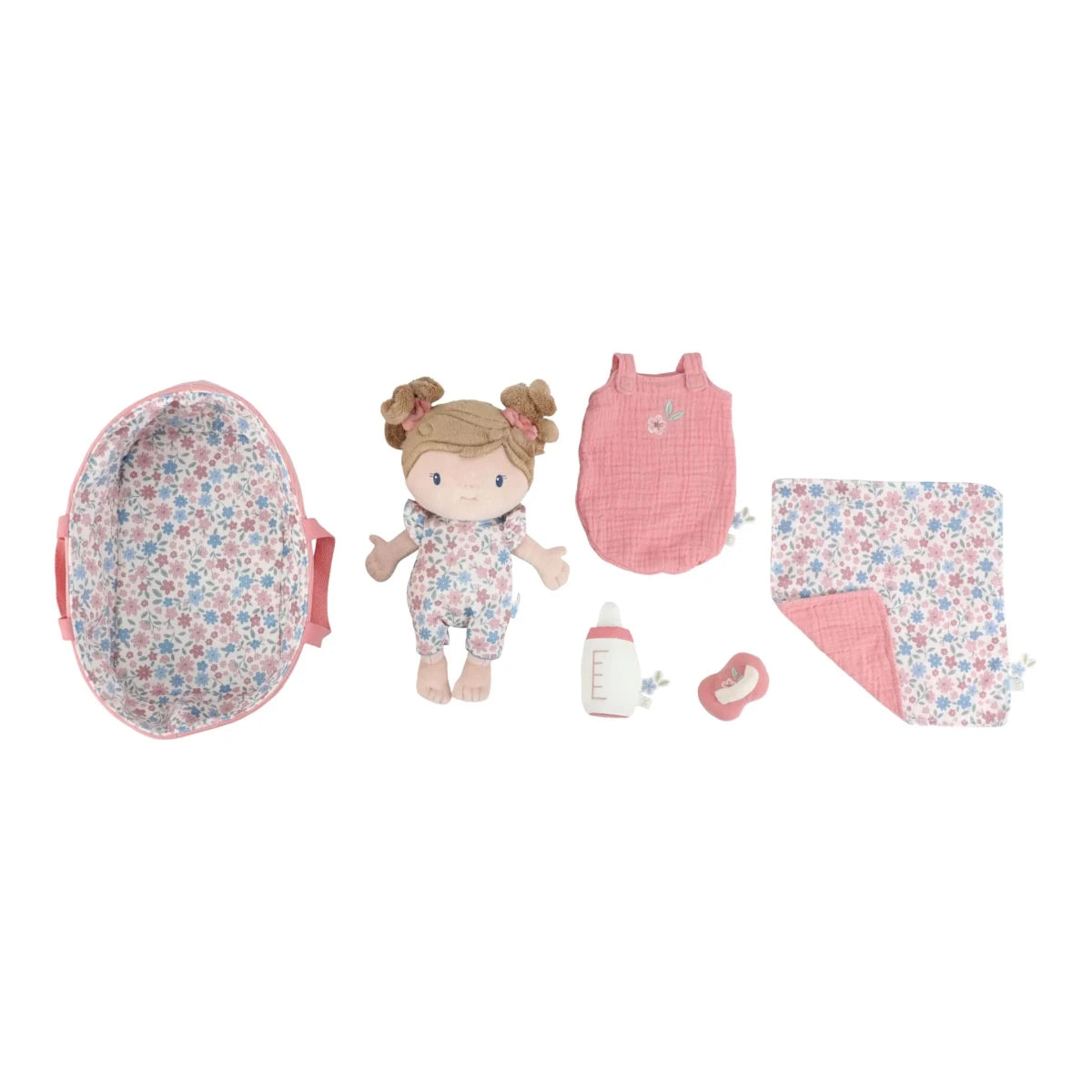
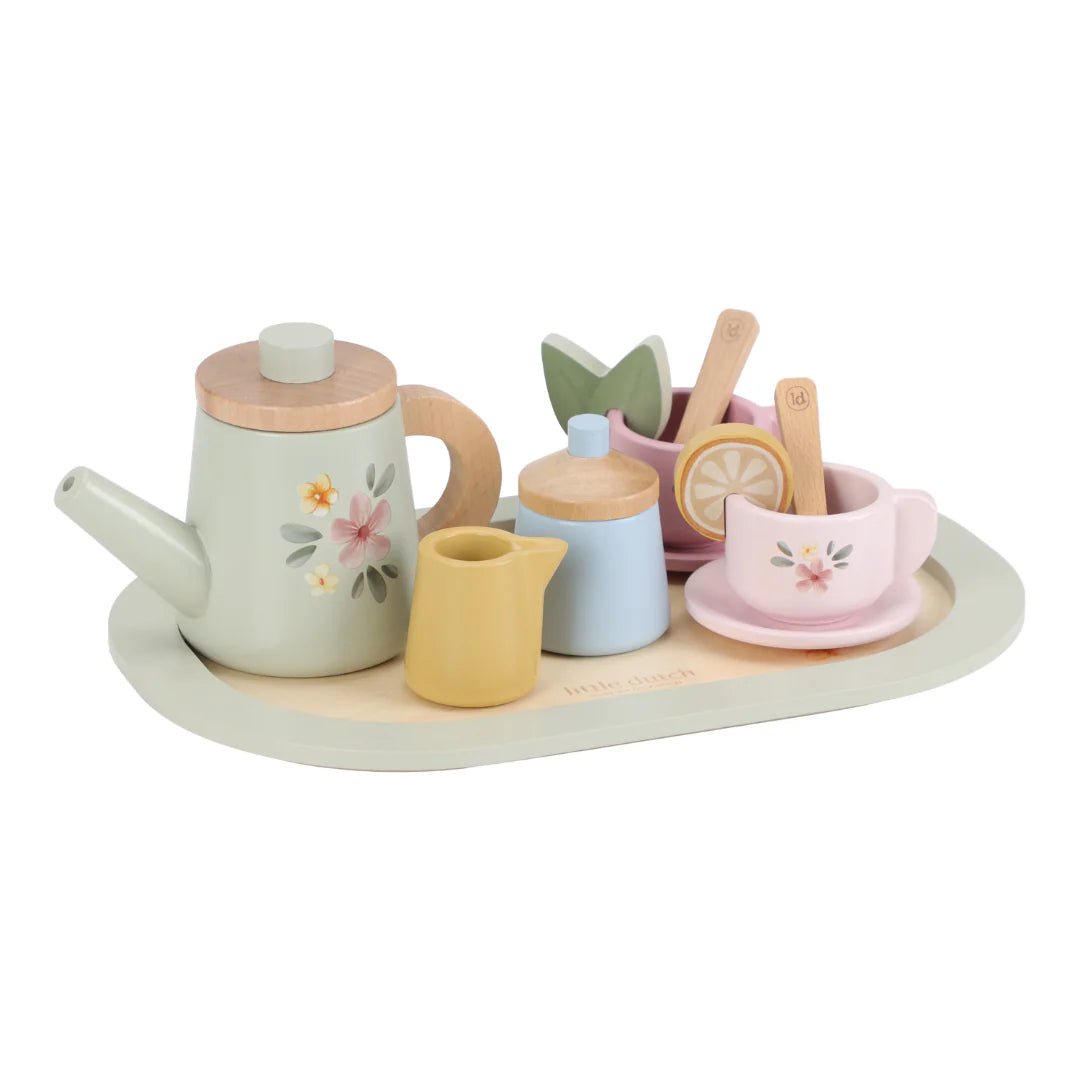
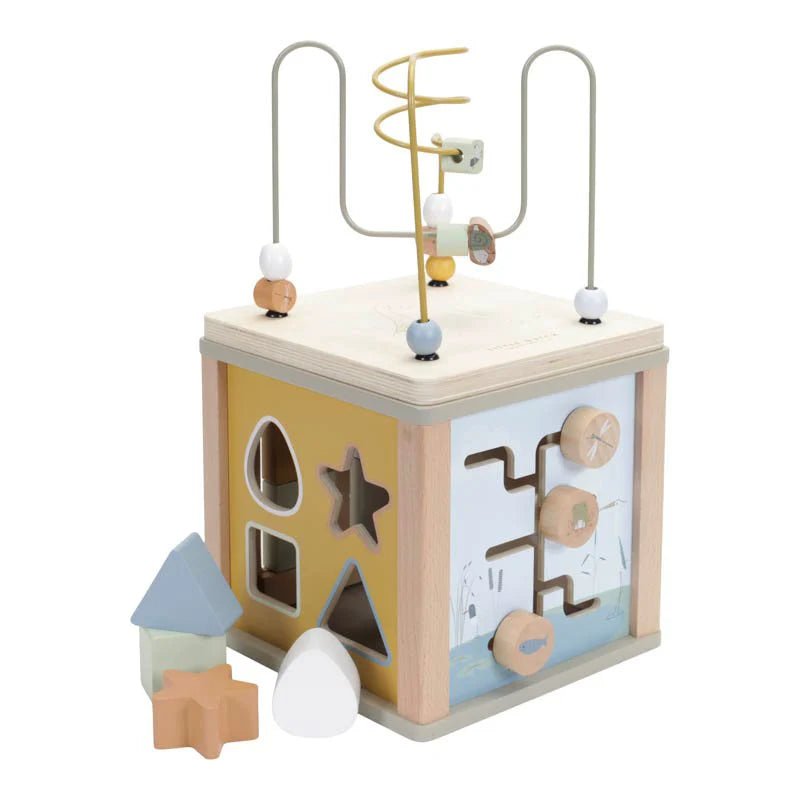
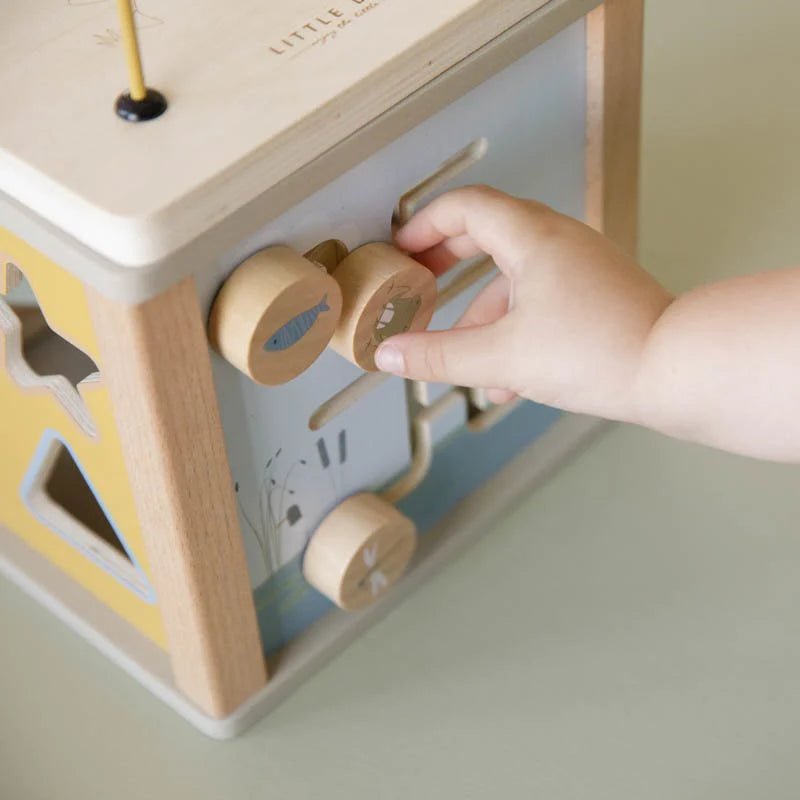
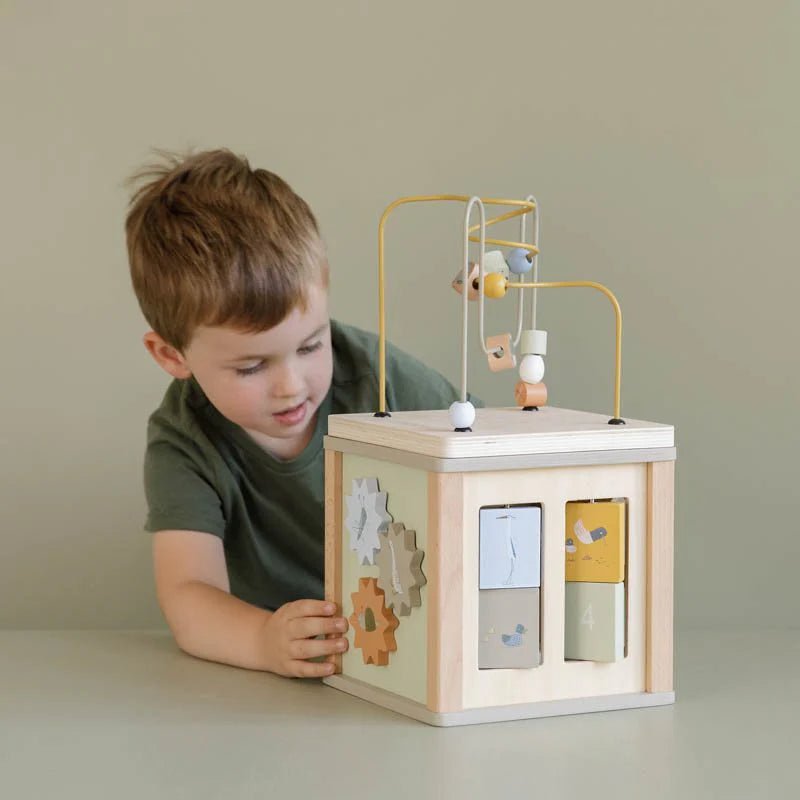
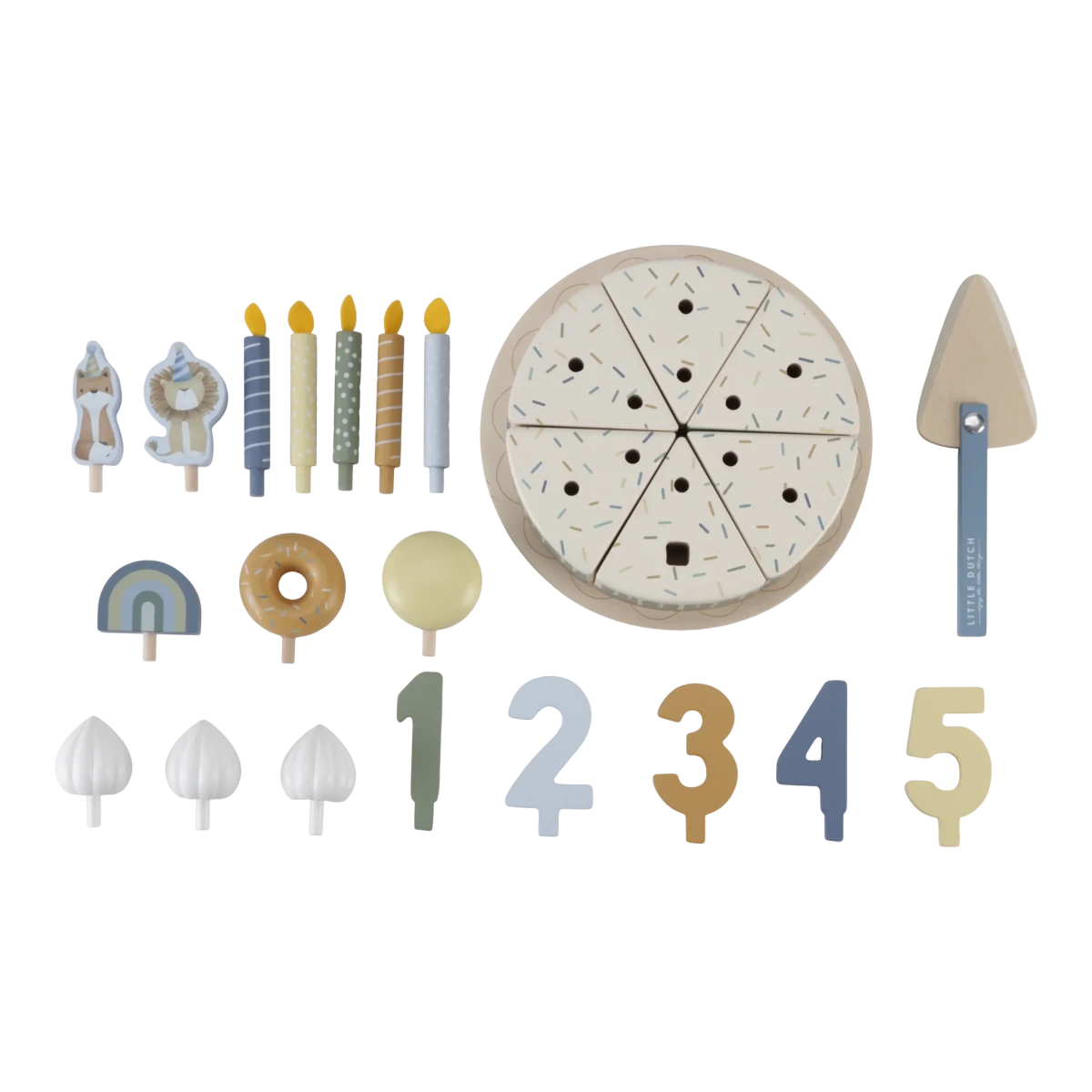
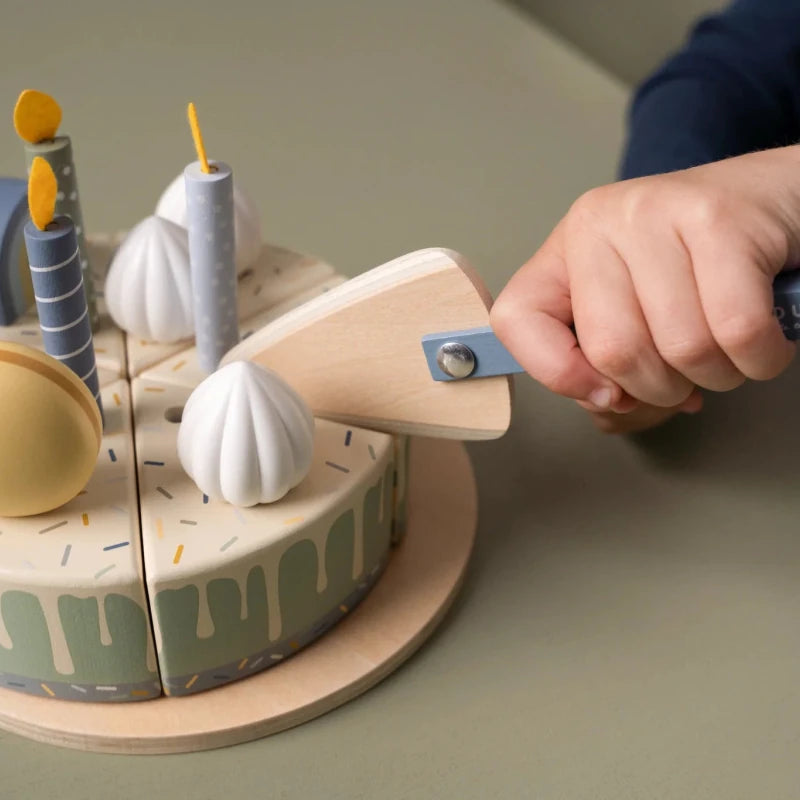
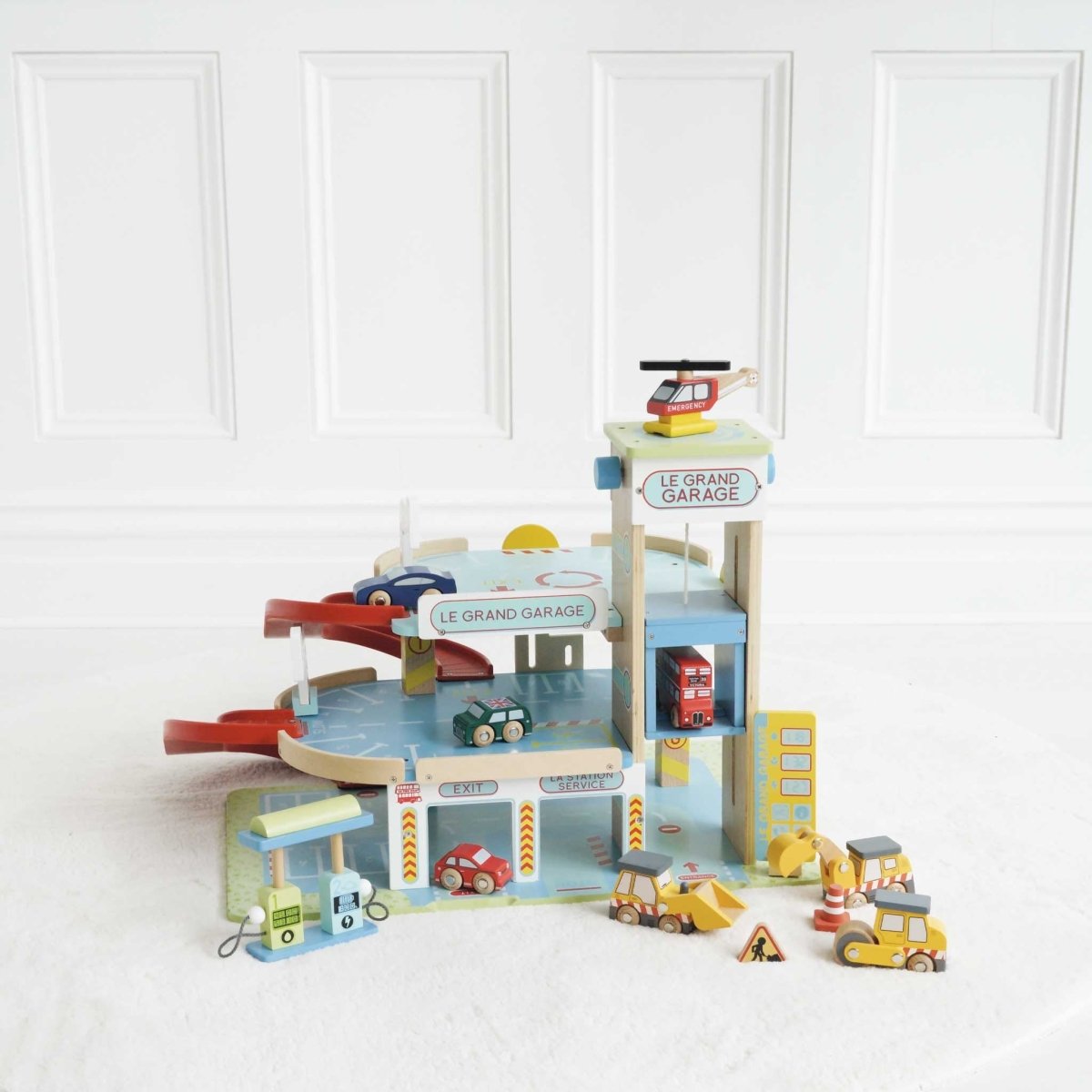
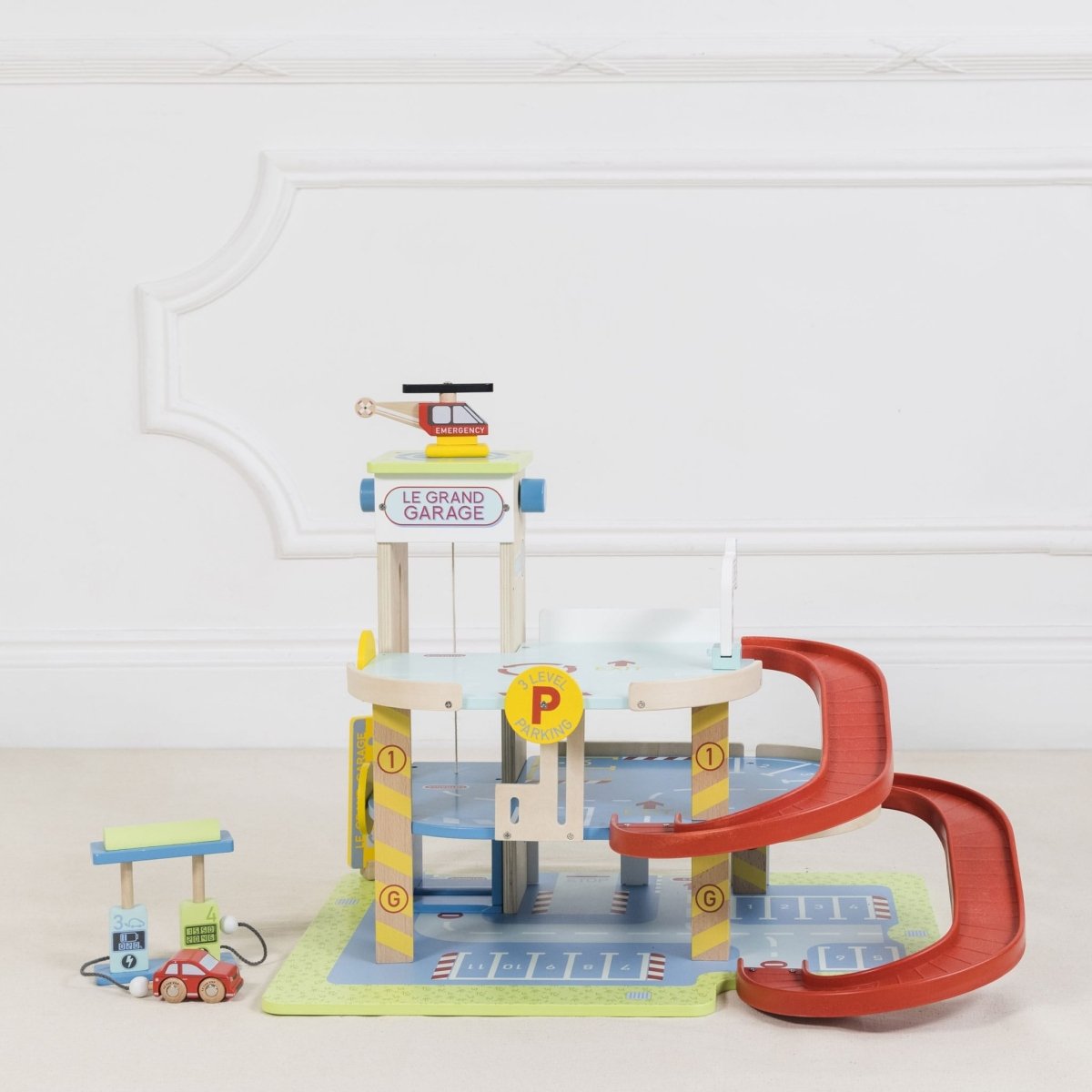
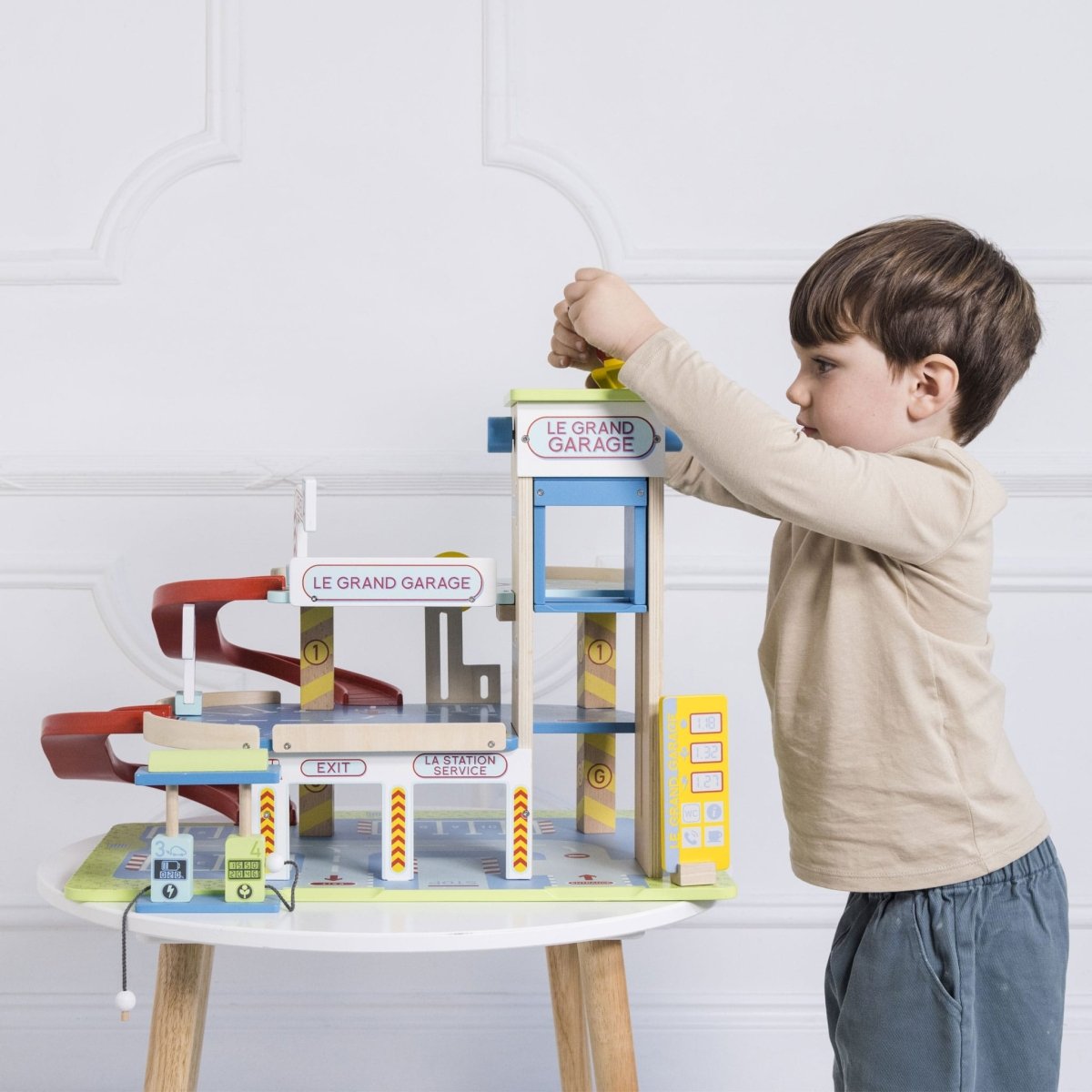
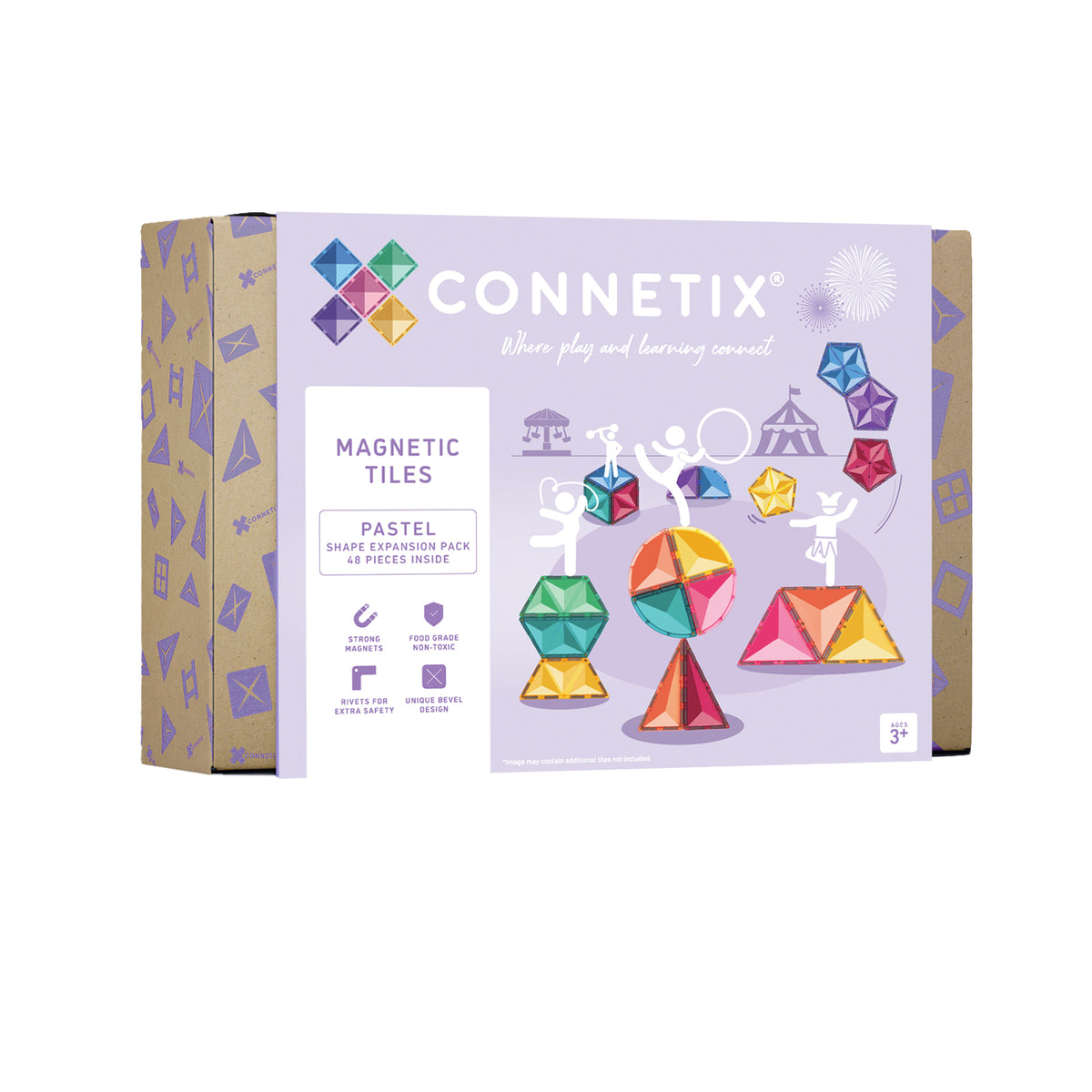
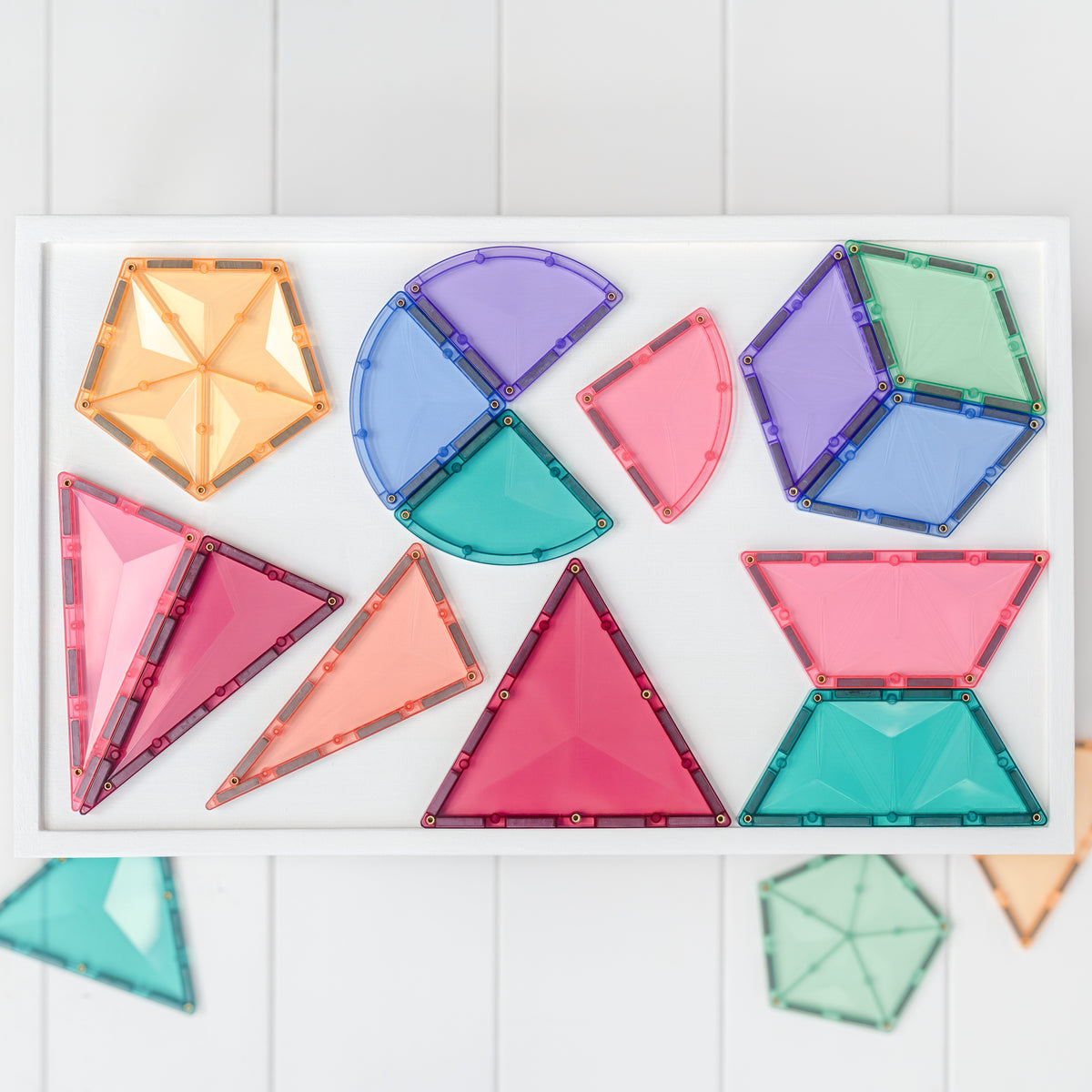
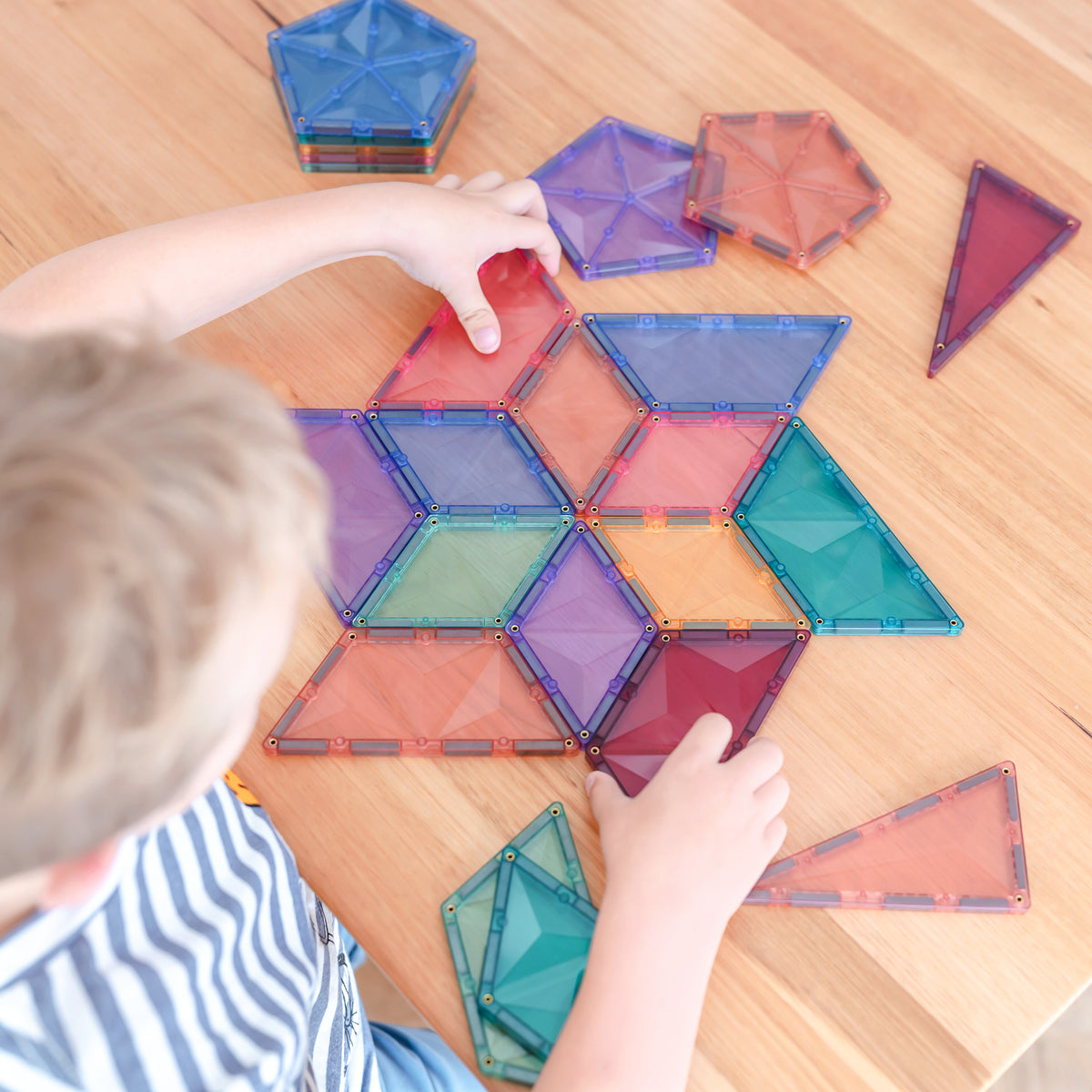
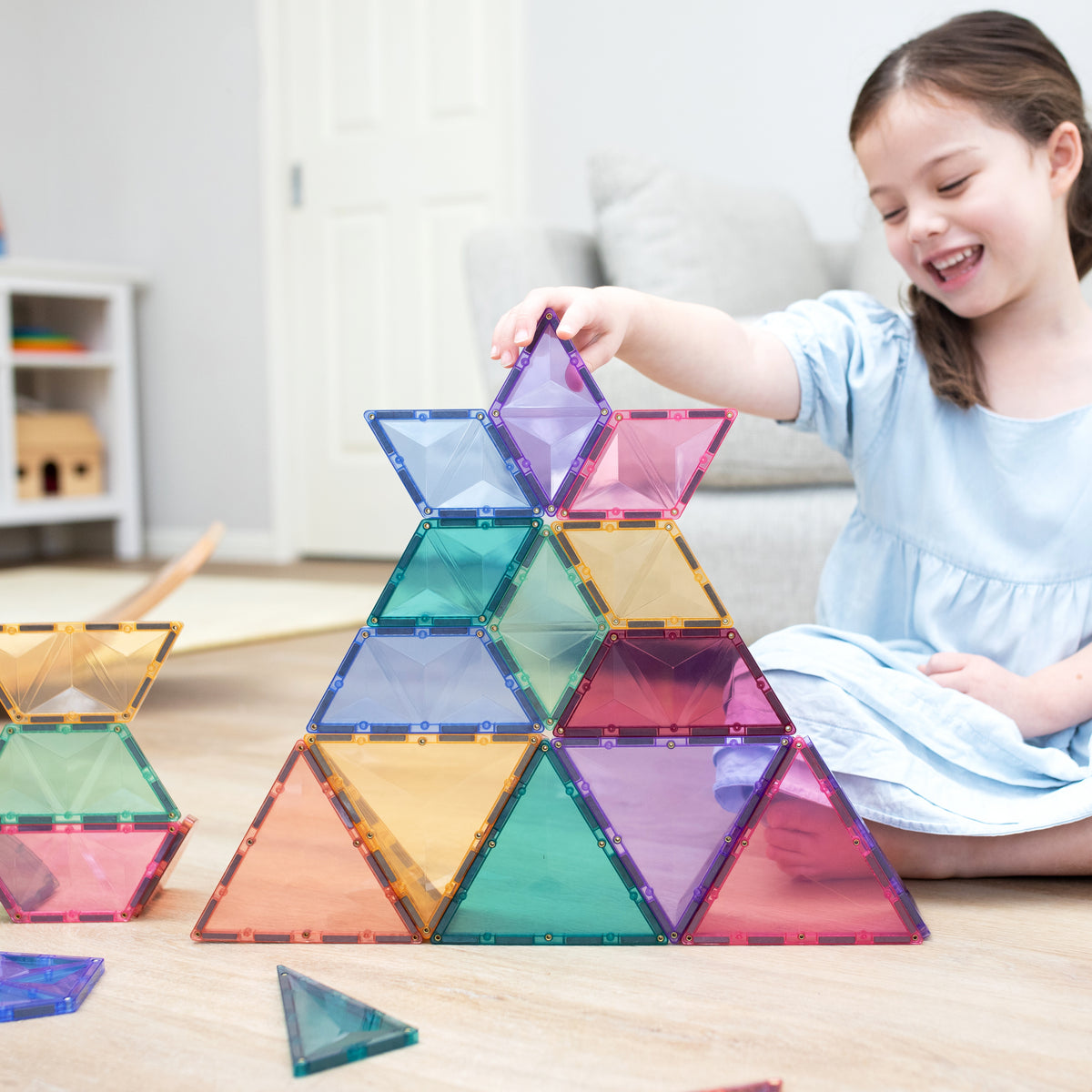
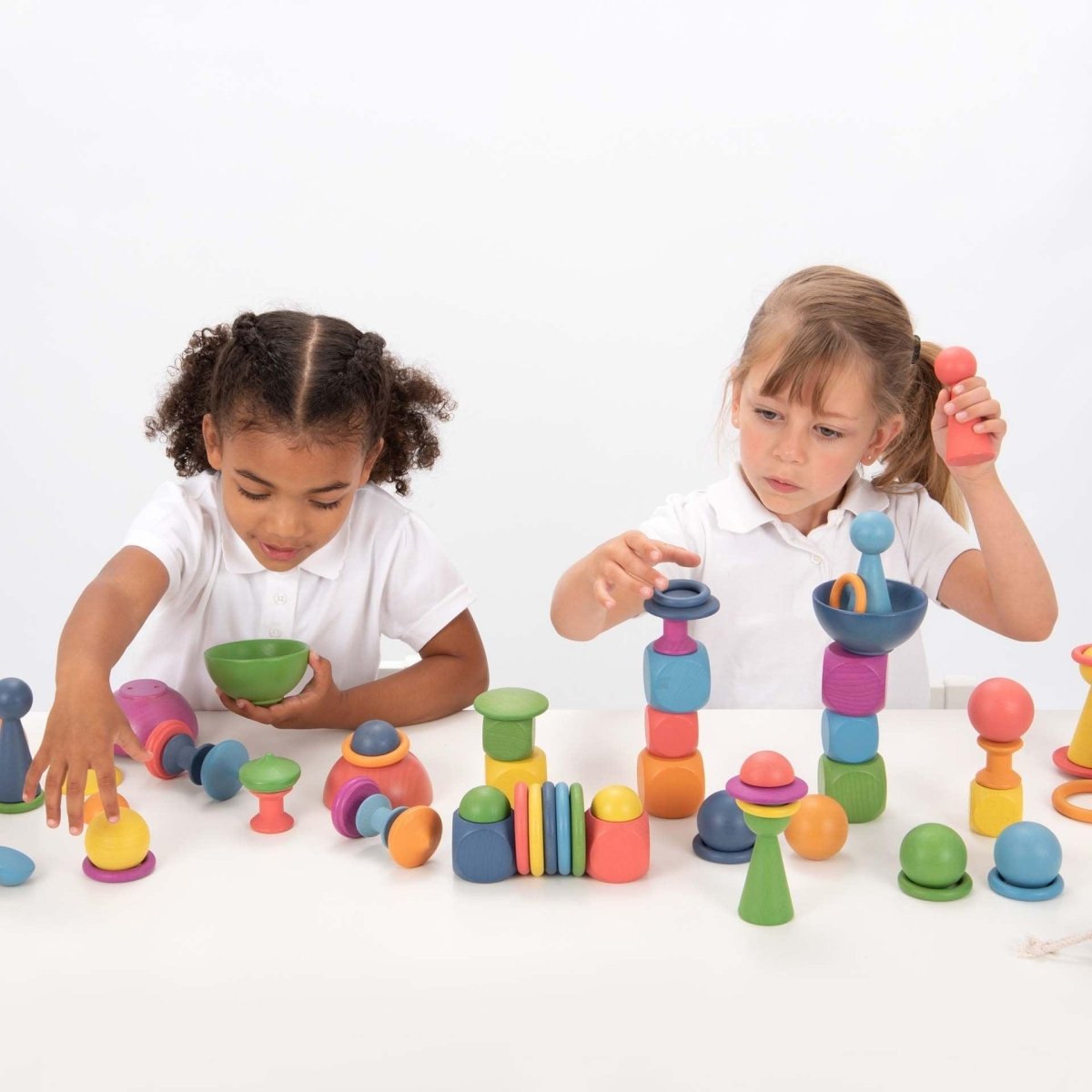
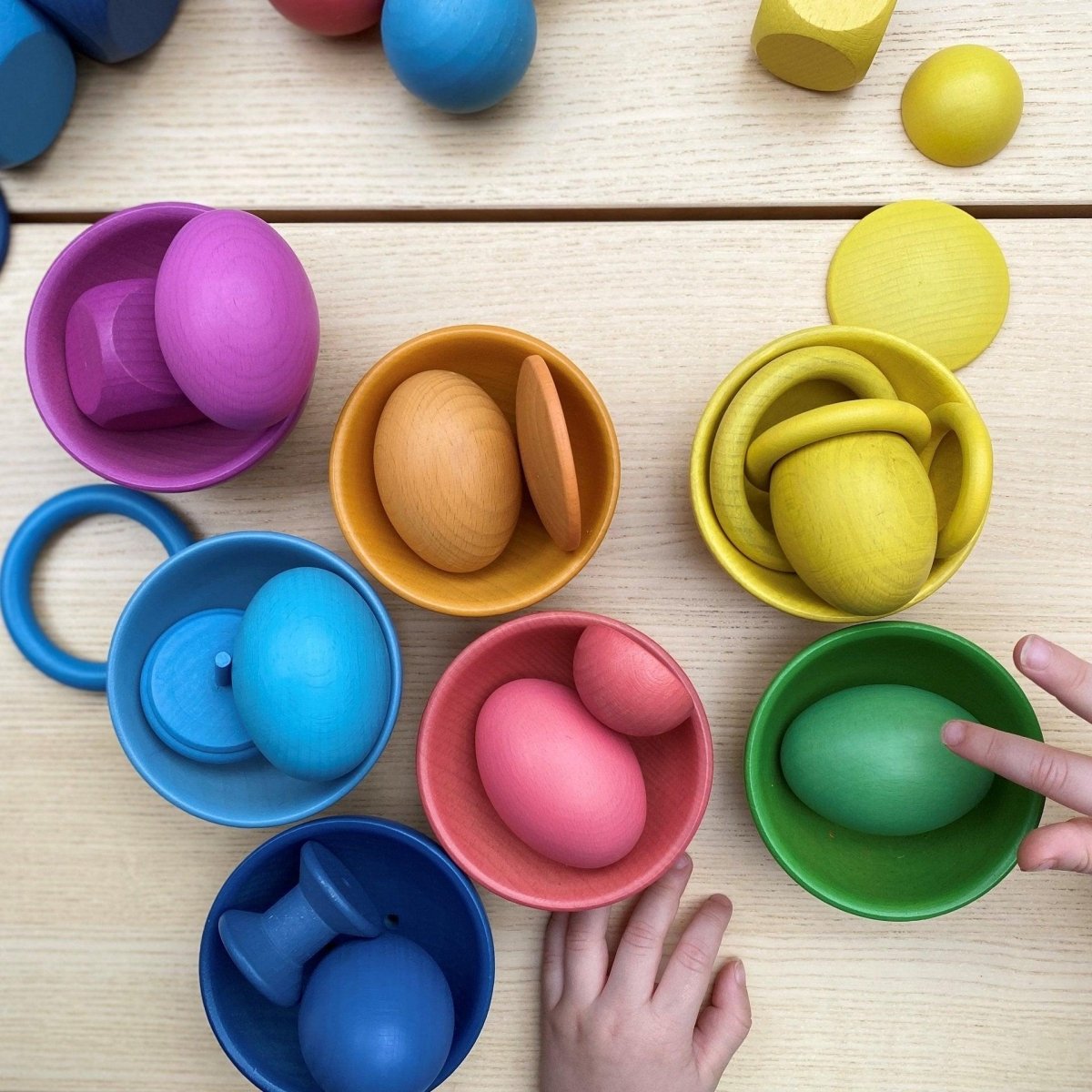
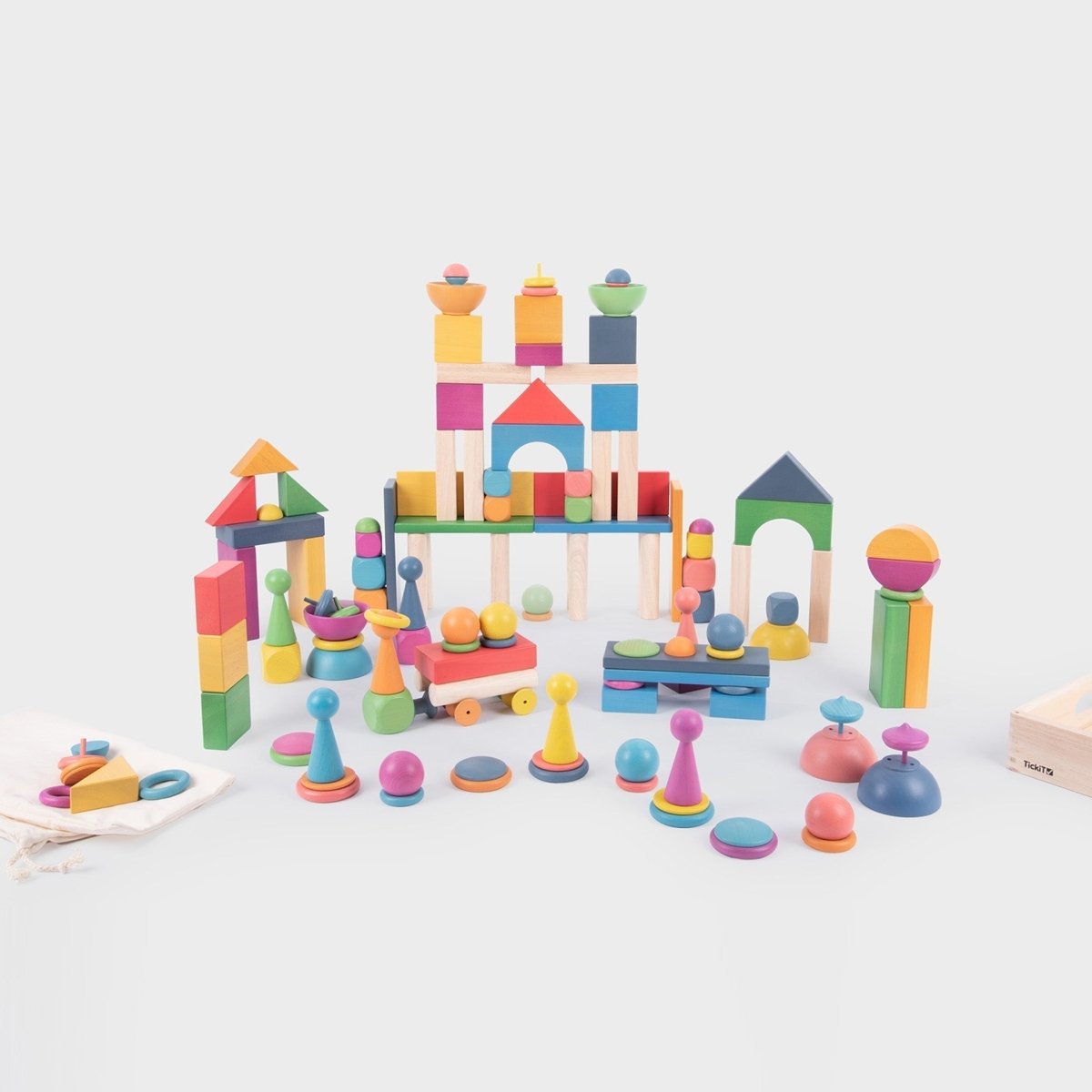
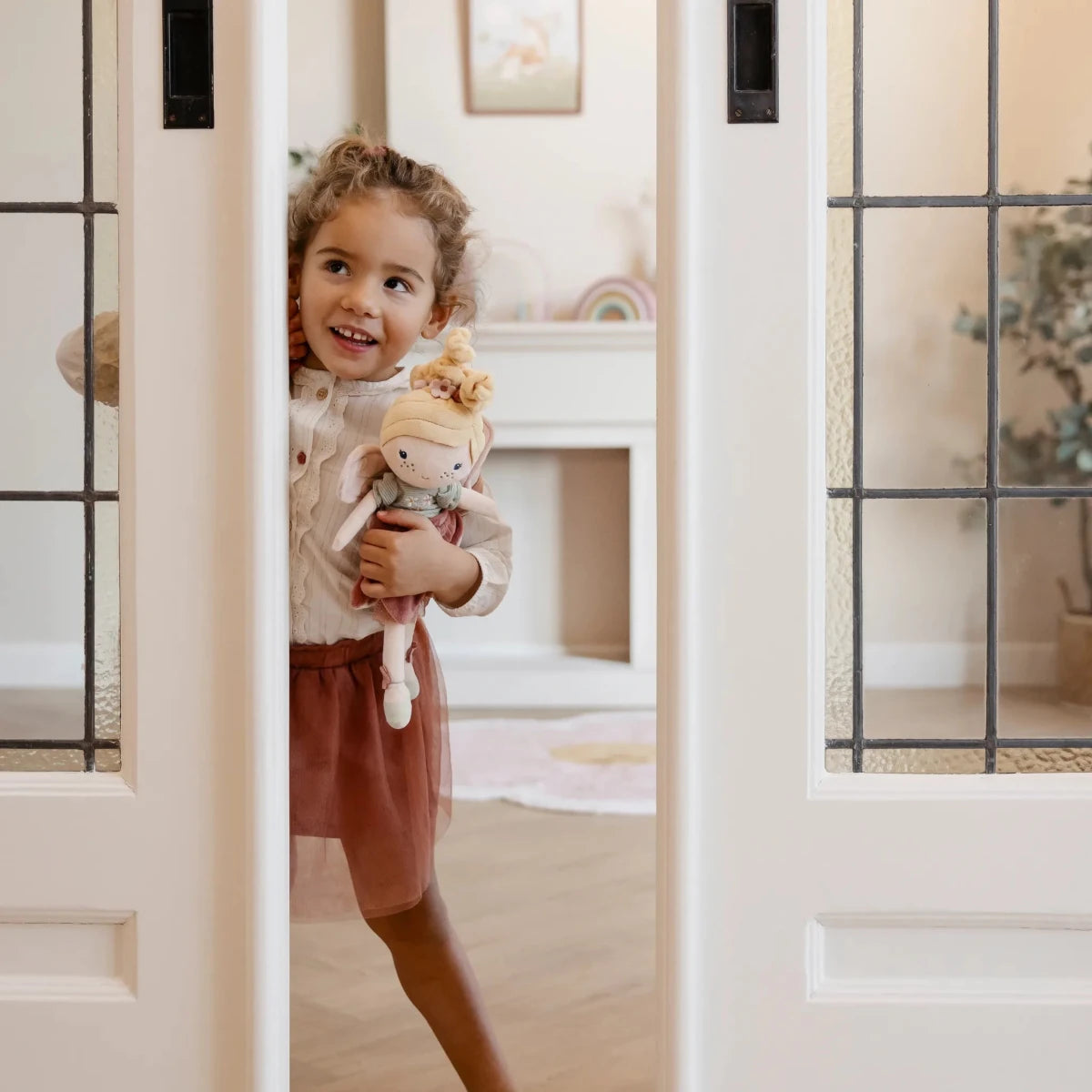
Symbolic and Pretend Play Toys encourage imagination and social skill development. These include dolls, action figures, and dress-up clothes that allow children to explore complex social interactions and emotional scenarios. Simultaneously, Fine Motor and Manipulative Toys like building blocks, puzzles, and construction sets help develop crucial hand-eye coordination and spatial reasoning skills.
Research from Virtual Lab School highlights additional toy categories that support learning:
Here’s an overview of key educational toy categories and the developmental domains they support:
| Toy Category | Supported Developmental Domains | Example Toys |
|---|---|---|
| Symbolic & Pretend Play | Social skills Imagination Emotional |
Dolls Action figures Dress-up |
| Fine Motor & Manipulative | Motor coordination Spatial reasoning |
Building blocks Puzzles |
| Literacy & Language | Communication Early literacy |
Alphabet magnets Storytelling sets |
| Maths & Problem-Solving | Critical thinking Logic Numeracy |
Tangram puzzles Counting games |
| Science Exploration | Curiosity Investigative skills |
Magnifying glass Experiment kits |
| Cooperative Games | Teamwork Social interaction |
Board games Group challenges |
- Literacy and Language Toys (alphabet magnets, storytelling sets)
- Math and Problem-Solving Toys (tangram puzzles, counting games)
- Science Exploration Toys (magnifying glasses, simple experiment kits)
- Cooperative Games that encourage teamwork and social interaction
Parents seeking deeper insights can explore our guide on why educational toys matter to understand how these carefully designed play tools contribute to children’s cognitive and emotional growth.
Developmental Benefits: Cognitive, Social, and Emotional
Educational toys are powerful tools for comprehensive child development, targeting critical cognitive, social, and emotional growth domains. According to research from the American Academy of Pediatrics, these carefully designed play experiences support multifaceted developmental processes that extend far beyond simple entertainment.
Cognitive Development emerges through toys that challenge children’s problem-solving abilities and stimulate critical thinking. Building blocks, puzzle sets, and strategy games encourage children to analyze, predict, and develop logical reasoning skills. These experiences help children learn complex spatial relationships, understand cause-and-effect principles, and enhance memory and concentration.
Social and emotional growth are equally nurtured through interactive play. Research from the Eastern Connecticut State University Center for Early Childhood Education highlights how high-quality educational toys inspire:
- Cooperative interaction skills
- Emotional expression and management
- Communication and negotiation abilities
- Understanding of social dynamics and empathy
Parents interested in supporting their child’s holistic development can explore our guide on choosing educational toys to make informed play and learning decisions that nurture their child’s potential.

How to Choose Safe and Age-Appropriate Toys
Selecting the right toys for children requires careful consideration of both safety and developmental appropriateness. According to guidance from the UK Government Safety Standards, parents must prioritize products that meet rigorous safety regulations while simultaneously supporting their child’s current developmental stage.
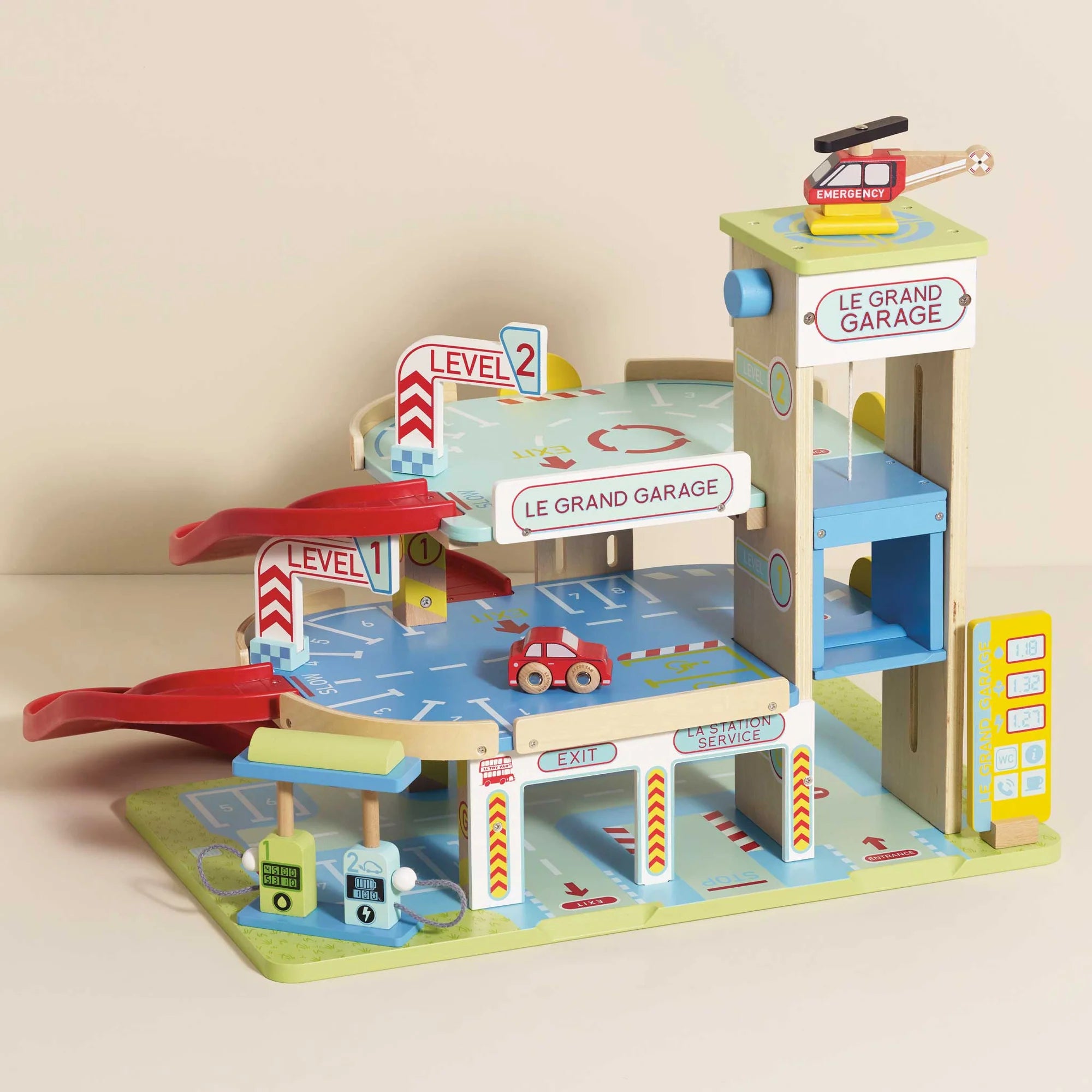
Age Appropriateness is crucial when selecting educational toys. Each developmental stage demands specific types of play experiences that challenge and support a child’s emerging skills. Younger children require toys with larger components to prevent choking hazards, while older children can engage with more complex, detailed play sets that stimulate advanced problem-solving and creativity.
Key safety considerations for choosing toys include:
- Checking for small, detachable parts for younger children
- Ensuring non-toxic materials
- Verifying sturdy construction
- Examining age recommendations
- Inspecting for potential sharp edges
Parents interested in understanding more about selecting the perfect developmental toys can explore our guide on top Montessori toys that offer engaging, safe learning experiences for children.
Common Misconceptions About Educational Toys
Parents often harbour misunderstandings about what constitutes an effective educational toy, potentially hindering their child’s developmental potential. According to research from the American Academy of Pediatrics, many parents mistakenly believe that expensive, high-tech electronic toys are essential for learning, when in fact, simple traditional toys often provide superior cognitive and social development opportunities.
Complexity Misconception is a prevalent myth suggesting that the most intricate or realistic toys offer the best learning experiences. However, research from the Eastern Connecticut State University Center for Early Childhood Education reveals that simple, open-ended toys actually inspire higher-quality play and more creative problem-solving.
Common educational toy misconceptions include:
- Believing expensive toys are always more educational
- Thinking electronic toys automatically enhance learning
- Assuming more realistic toys provide better developmental experiences
- Overlooking the value of simple, imagination-driven play
- Prioritizing branded or trendy toys over developmental quality
For parents seeking deeper insights into meaningful play experiences, our guide to understanding Montessori toys offers comprehensive perspectives on selecting truly developmental play materials.
Discover the Perfect Educational Toys to Unlock Your Child’s Potential
Choosing the right educational toys can be challenging especially when you want to ensure they are age-appropriate and truly supportive of your child’s cognitive and emotional growth. This article highlights how meaningful play experiences are essential for developing critical thinking skills, social interaction, and imagination through carefully selected toys that encourage problem solving and creativity.

Explore our thoughtfully curated selection at Learning Bugs, where you will find timeless, creative toys designed to nurture holistic development across every stage. Whether you are seeking sturdy wooden toys, engaging role play sets, or sensory-stimulating educational kits, our range offers safe and inspiring options that turn playtime into valuable learning moments. Don’t wait to transform your child’s play into an active journey of discovery. Visit our site now to find the perfect developmental toy that truly makes a difference. Check out our guide to choosing educational toys for extra tips and start your exploration today.
Frequently Asked Questions
What are educational toys?
Educational toys are specially designed learning tools that promote specific developmental objectives, enhancing children’s cognitive, motor, social, and emotional skills while keeping them engaged and entertained.
How do I choose age-appropriate educational toys for my child?
When selecting educational toys, consider your child’s developmental stage. Younger children need larger components to avoid choking hazards, while older children can engage with more complex toys that encourage advanced problem-solving and creativity.
What benefits do educational toys provide for cognitive development?
Educational toys contribute to cognitive development by challenging children to solve problems, think critically, understand spatial relationships, and enhance memory and concentration through engaging play experiences.
Are expensive educational toys always more beneficial than traditional ones?
Not necessarily. Many simple and traditional toys can provide superior educational value by fostering creative problem-solving and higher-quality play experiences compared to expensive, high-tech options.
0 comments