


Role of Wooden Toys Today: Complete Parent Guide

modern wooden toys playroom

Children spend nearly 7 hours a week with toys, yet one choice stands out for both learning and safety. Wooden toys use natural materials and have become a smart alternative to plastic and electronic gadgets. Their simple design encourages creativity, problem-solving, and hands-on fun. Not only do they offer chemical-free safety and durability, but they also support sustainable living. Parents and educators find these toys help children grow while protecting the planet.

Table of Contents

Key Takeaways

Point Details
Timeless Value Wooden toys blend traditional craftsmanship with modern developmental principles, promoting creativity and problem-solving.
Safety and Durability Crafted from natural, chemical-free materials, wooden toys offer robust construction and longevity, often passed down through generations.
Environmental Benefits Wooden toys are eco-friendly, made from renewable resources, biodegradable, and contribute to reducing plastic waste.
Developmental Advantages They enhance fine motor skills, cognitive abilities, and sensory learning through open-ended play experiences.

Defining Wooden Toys In The Modern Era

Wooden toys represent a fascinating intersection of traditional craftsmanship and modern child development principles. According to New Yorker, these toys are distinguished by their use of natural materials, offering a tactile and sensory-rich experience that stands in stark contrast to electronic or plastic alternatives.

In today’s rapidly evolving play landscape, wooden toys have been reimagined as more than just nostalgic objects. Feelo Toys highlights their contemporary significance, emphasizing their key characteristics:

  • Safety first: Free from harmful chemicals
  • Eco-friendly design: Made from sustainable natural materials
  • Developmental benefits: Promotes open-ended play and creativity
  • Durability: Built to withstand extensive play and multiple generations

The modern wooden toy is not merely a plaything but a deliberate educational tool. Unlike mass-produced plastic alternatives, these toys encourage children to engage deeply with their play environment. They invite imagination, problem-solving, and sensory exploration. Children can transform a simple wooden block into a car, a building, or an entire cityscape - limited only by their creativity. This open-ended play is crucial for cognitive development, spatial reasoning, and emotional expression.

Types Of Wooden Toys For Children

Wooden toys offer a diverse and enriching play experience across multiple categories, each designed to stimulate different aspects of childhood development. Wikipedia highlights wooden toy trains as a classic example, ranging from simple push toys to more complex models that can be operated through various mechanisms like electricity or clockwork.

The main categories of wooden toys include:

Here’s a comparison of the developmental benefits offered by different types of wooden toys:

Toy Category Main Developmental Focus Examples
Constructive Toys Spatial reasoning
Problem-solving
Building blocks
Puzzles
Imaginative Play Toys Creativity
Role-play
Wooden dolls
Animal figures
Educational Toys Cognitive skills
Numeracy
Counting boards
Shape sorters
Sensory Exploration Toys Sensory learning
Fine motor skills
Textured blocks
Musical instruments
  • Constructive Toys: Building blocks, puzzles, and interlocking sets that develop spatial reasoning
  • Imaginative Play Toys: Wooden dolls, animal figures, and role-play sets
  • Educational Toys: Counting boards, shape sorters, and learning manipulation tools
  • Sensory Exploration Toys: Textured blocks, musical instruments, and tactile play objects

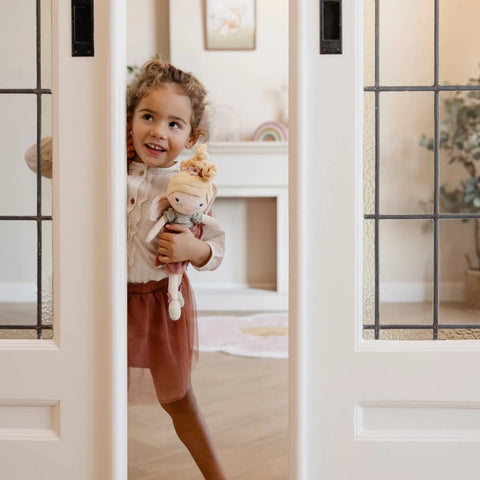
One fascinating historical example is the peg wooden doll. According to Wikipedia, these traditional Dutch dolls originated in South Tyrol, Italy, and were uniquely crafted as lathe-turned figures with jointed limbs. Interestingly, they were traditionally sold undressed, encouraging children to create clothing from fabric scraps - a beautiful example of how wooden toys promote creativity and resourcefulness.

Modern wooden toys continue this legacy of open-ended play and skill development. They are carefully designed to engage children’s imagination, enhance motor skills, and provide a sensory-rich alternative to mass-produced plastic toys. Why Choose Wooden Toys: Complete Guide for Families offers deeper insights into the developmental benefits of these timeless play companions.

Benefits Of Wooden Toys For Development

Wooden toys play a crucial role in child development, offering far more than simple entertainment. According to IJIRT, these toys significantly enhance fine motor skills, hand-eye coordination, and muscle control through activities like building blocks and puzzles that require precise hand movements.

The developmental benefits of wooden toys are multifaceted:

  • Physical Development: Improves hand dexterity and muscle control
  • Cognitive Skills: Enhances problem-solving and spatial reasoning
  • Creativity: Encourages imagination and open-ended play
  • Sensory Learning: Provides tactile and visual stimulation

Feelo Toys emphasizes that wooden toys’ simplicity is their greatest strength. By offering minimal predetermined structures, they challenge children to create their own play scenarios, fostering creativity and independent thinking. This open-ended approach allows children to transform a simple wooden block into a car, a building, or an entire imaginary world.

For parents seeking to support their child’s holistic development, 7 Montessori Toys Examples to Boost Child Development provides additional insights into how thoughtfully designed toys can support learning and growth through play.

Safety Standards And Durability Factors

Parents today are increasingly concerned about the safety and longevity of children’s toys. Feelo Toys highlights that wooden toys offer exceptional safety advantages, being crafted from natural materials and free from harmful chemicals like BPA and phthalates.

Key safety and durability considerations include:

wooden toy craftsmanship

  • Chemical-Free Composition: No toxic substances or harmful plastics
  • Robust Construction: Capable of withstanding extensive play
  • Generational Potential: Often lasting through multiple children
  • Natural Material Quality: Sourced from sustainable, non-toxic wood sources

Unlike modern electronic toys that rely on artificial stimulation, IJIRT emphasizes that wooden toys provide a tactile, sensory-rich experience that encourages genuine hands-on interaction. This approach not only ensures physical safety but also promotes active, imaginative learning without relying on screens or batteries.

To ensure you’re selecting the highest quality wooden toys, Why Invest in Educational Toys: Complete Guide offers comprehensive insights into choosing safe, durable play companions that will support your child’s developmental journey.

Sustainability And Environmental Impact

As environmental consciousness grows, wooden toys have emerged as a compelling eco-friendly alternative to traditional plastic playthings. Feelo Toys emphasizes that these toys are crafted from renewable resources and are often completely biodegradable, representing a significant step towards sustainable child play.
Key environmental advantages of wooden toys include:
  • Renewable Material Sourcing: Made from sustainably harvested wood
  • Biodegradability: Naturally decompose without long-term environmental impact
  • Reduced Plastic Waste: Minimizes contribution to global plastic pollution
  • Lower Carbon Footprint: Production typically requires less energy than plastic toy manufacturing

New Yorker highlights the deeper significance of wooden toys, describing them as symbols of timelessness and authenticity. Their remarkable durability means fewer replacements, which directly translates to reduced manufacturing demand and lower environmental strain. A single wooden toy can potentially last through multiple generations, dramatically reducing waste compared to disposable plastic alternatives.

Infographic comparing safety, durability, and eco-friendliness of wooden vs plastic toys.

Parents seeking to make environmentally responsible choices will find Why Invest in Educational Toys: Complete Guide an excellent resource for understanding the broader impact of sustainable toy selections.

Comparing Wooden Vs. Plastic Toys

The debate between wooden and plastic toys goes far beyond mere aesthetic preferences. Feelo Toys highlights that wooden toys represent a classic, minimalist design that transcends fleeting trends, often becoming cherished family heirlooms passed down through generations.

Key comparative aspects include:

  • Durability: Wooden toys typically outlast plastic counterparts
  • Sensory Experience: Natural texture versus synthetic feel
  • Environmental Impact: Biodegradable versus long-term plastic waste
  • Aesthetic Value: Timeless design versus disposable appearance

New Yorker emphasizes the deeper philosophical distinction, describing wooden toys as more authentic and refined, connecting children to natural materials in a way plastic toys simply cannot. While plastic toys often rely on flashy electronics and temporary novelty, wooden toys invite genuine imagination and open-ended play.

For parents seeking deeper insights into meaningful play experiences, The Essential Guide to the Role of Open Ended Toys offers a comprehensive exploration of how thoughtfully chosen toys can transform children’s developmental journey.

Discover Timeless Wooden Toys That Nurture Growth and Imagination

Modern parents face the challenge of finding toys that do more than just entertain. This article highlights how wooden toys offer a safe, durable, and eco-friendly solution that supports creativity, motor skills, and sensory learning. If you are looking for toys that encourage open-ended play and genuine connections to the natural world, wooden toys stand out as a meaningful choice.

At Learning Bugs, we understand your desire for high-quality, developmental playthings. Our curated selection of wooden toys is designed to inspire imagination and promote lasting skills. Whether you want to explore educational kits or role-play sets with tactile appeal, we have the perfect companions to enrich your child’s journey.

https://learningbugs.co.uk

Make the switch to toys that grow with your child and last for generations. Visit Learning Bugs today to find your new favourite wooden toys and embrace a play experience rooted in creativity, safety, and environmental care.

Frequently Asked Questions

What are the benefits of wooden toys for child development?

Wooden toys enhance fine motor skills, hand-eye coordination, cognitive abilities, creativity, and sensory learning through engaging play experiences.

How do wooden toys compare to plastic toys in terms of durability and safety?

Wooden toys are generally more durable than plastic toys, often lasting for generations. They are also safer as they are usually made from natural materials and free from harmful chemicals like BPA and phthalates.

What types of wooden toys are available for different developmental needs?

Wooden toys can be categorized into constructive toys (building blocks), imaginative play toys (dolls, figures), educational toys (counting boards), and sensory exploration toys (musical instruments). Each category focuses on enhancing specific developmental skills.

Why are wooden toys considered eco-friendly?

Wooden toys are crafted from renewable resources, are biodegradable, and contribute less to plastic pollution, making them a more sustainable choice compared to traditional plastic toys.

0 comments

Leave a comment

Please note, comments need to be approved before they are published.