

























More than 80 percent of british families place strong value on play that encourages real learning, yet finding the right tools for a child’s development can be confusing. Educational kits offer a hands-on approach that blends discovery with structure, making complex ideas fun and accessible for young minds. This guide unpacks what sets educational kits apart, helping you understand their powerful impact and what to look for when choosing these popular british resources for your child.

Table of Contents

Key Takeaways

Point Details
Educational kits facilitate active learning They transform the learning process by making it hands-on and engaging, allowing children to explore complex concepts through play.
Developmental benefits are multi-faceted These kits enhance cognitive, physical, and social-emotional skills, supporting holistic child development.
Choosing age-appropriate kits is essential Tailoring educational resources to a child’s developmental stage maximises learning impact and fosters a love for learning.
Safety standards are crucial Parents should seek kits that meet rigorous UK safety standards, ensuring that products are safe and developmentally appropriate for children.

What Are Educational Kits For Children?

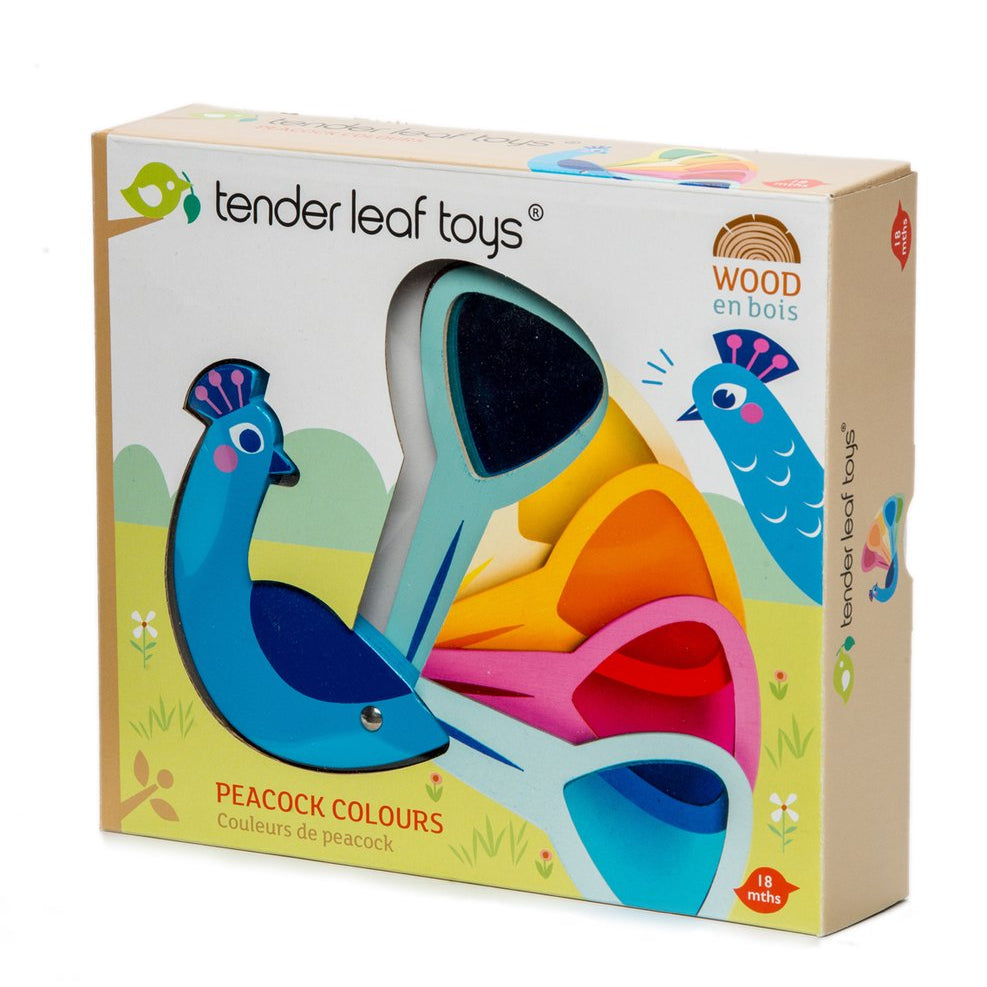
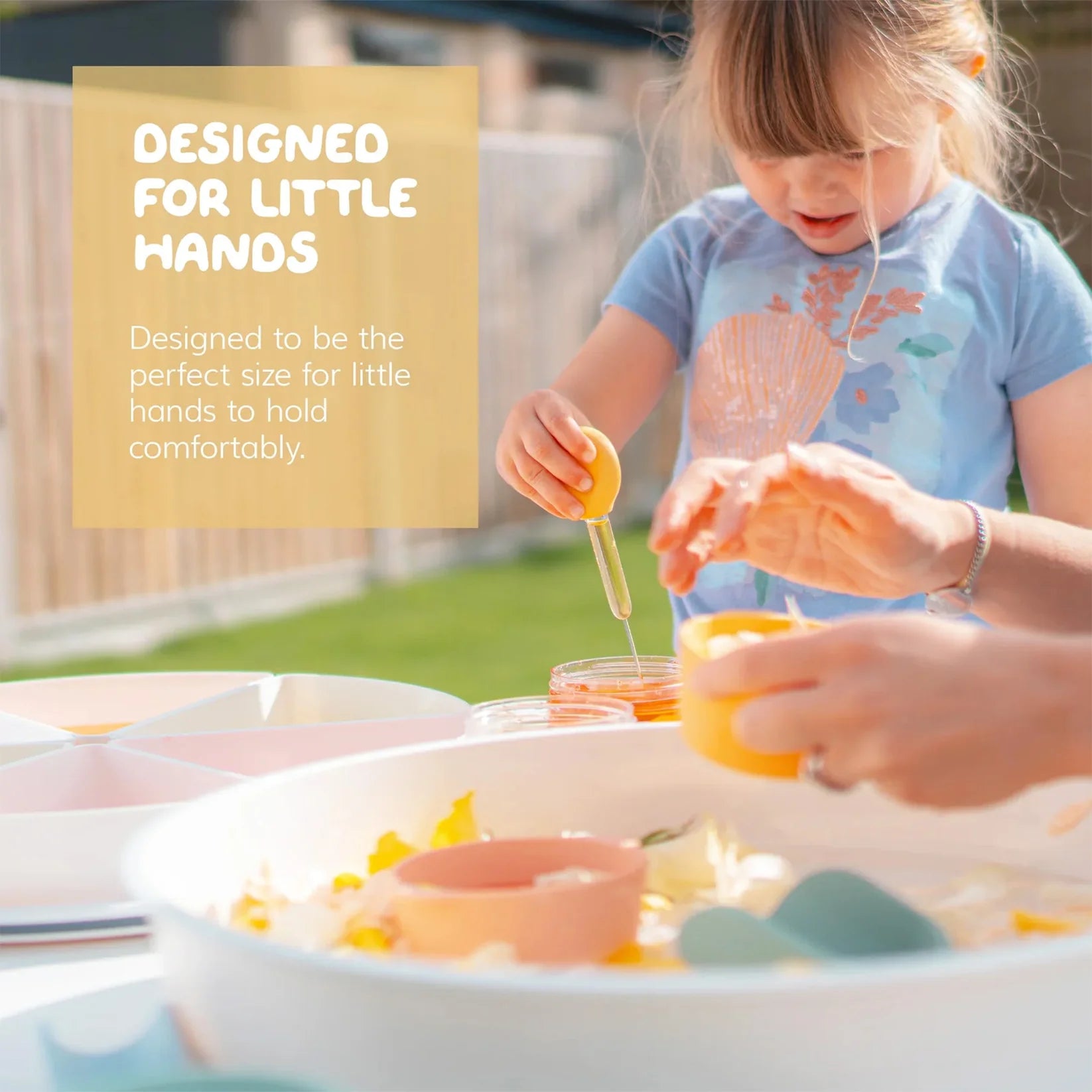
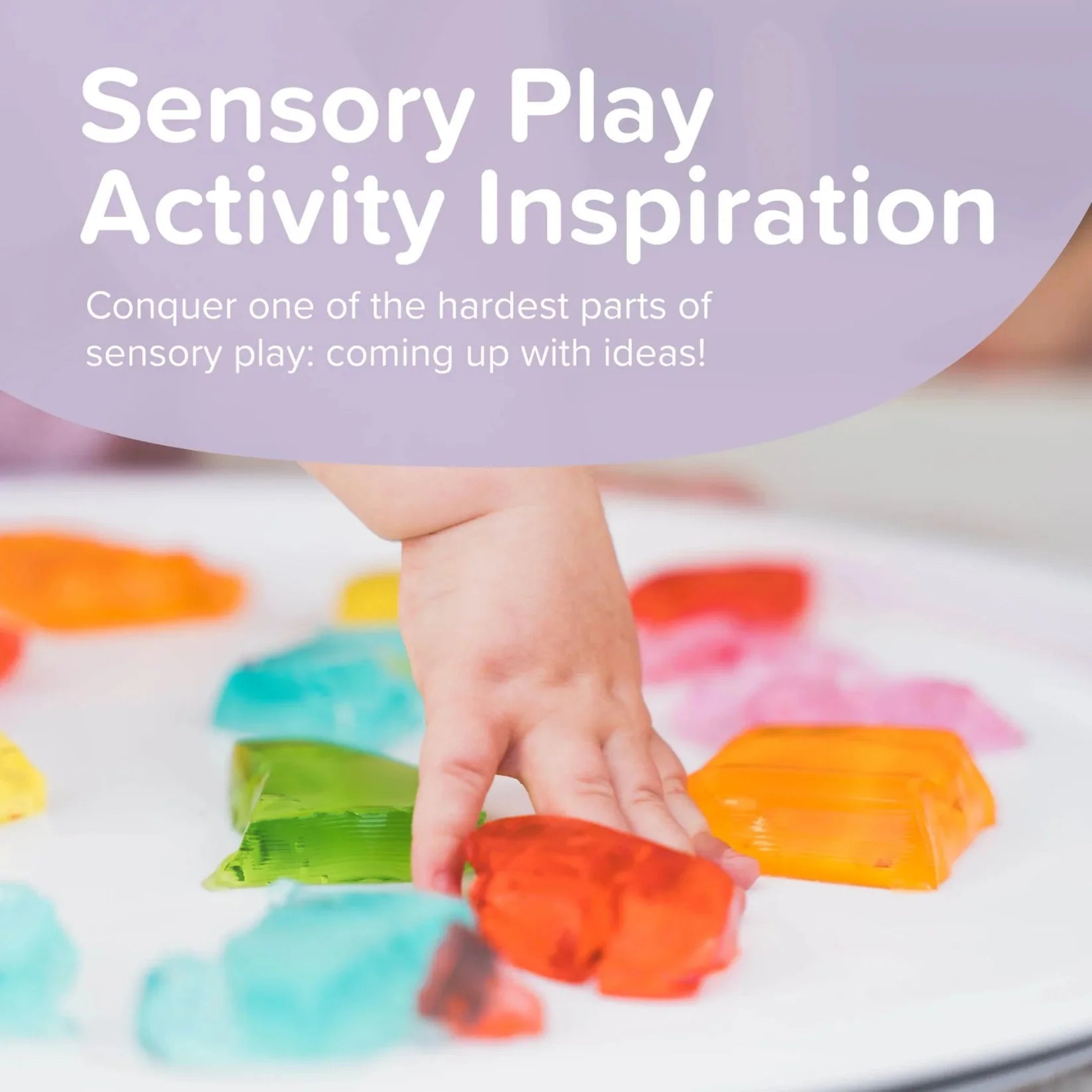
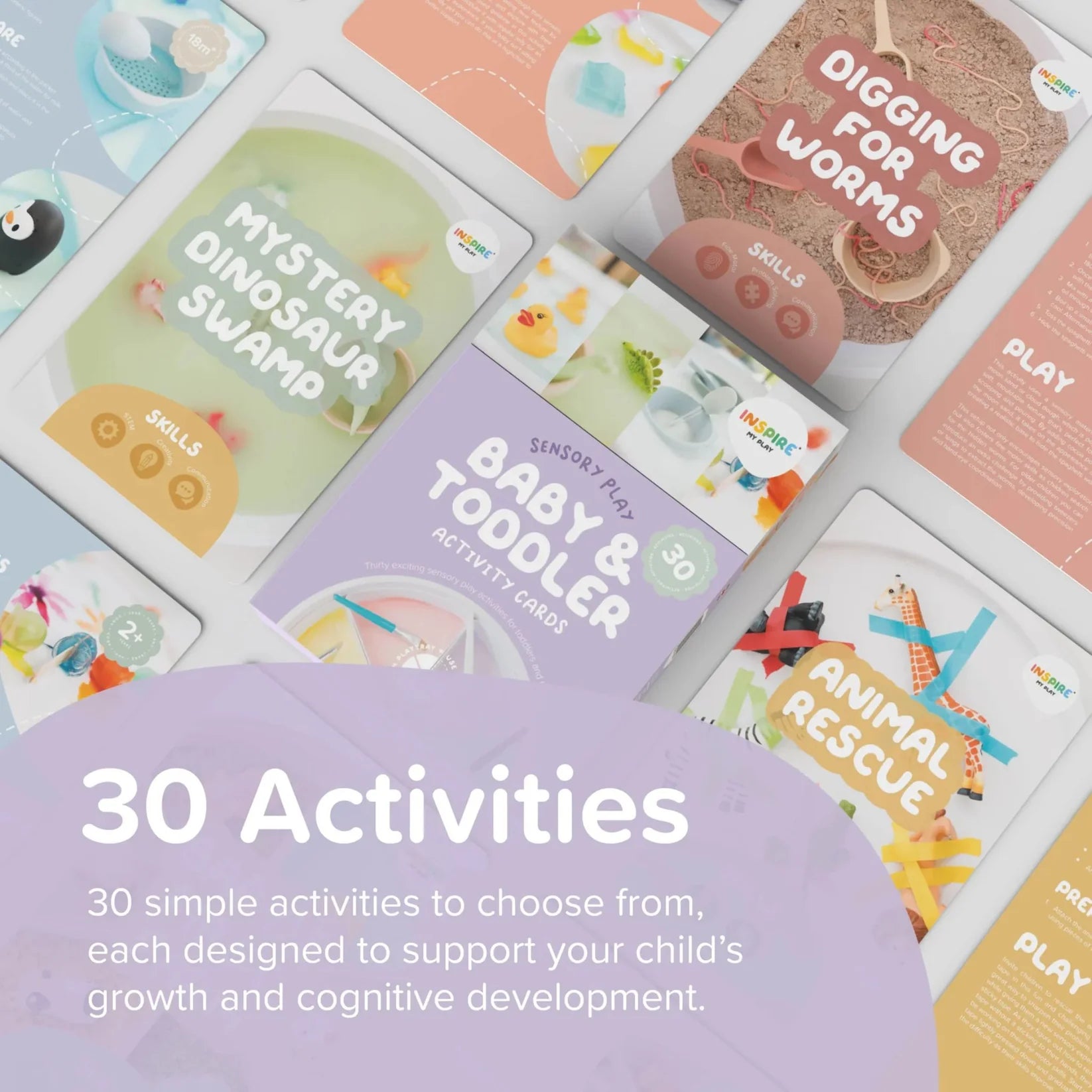
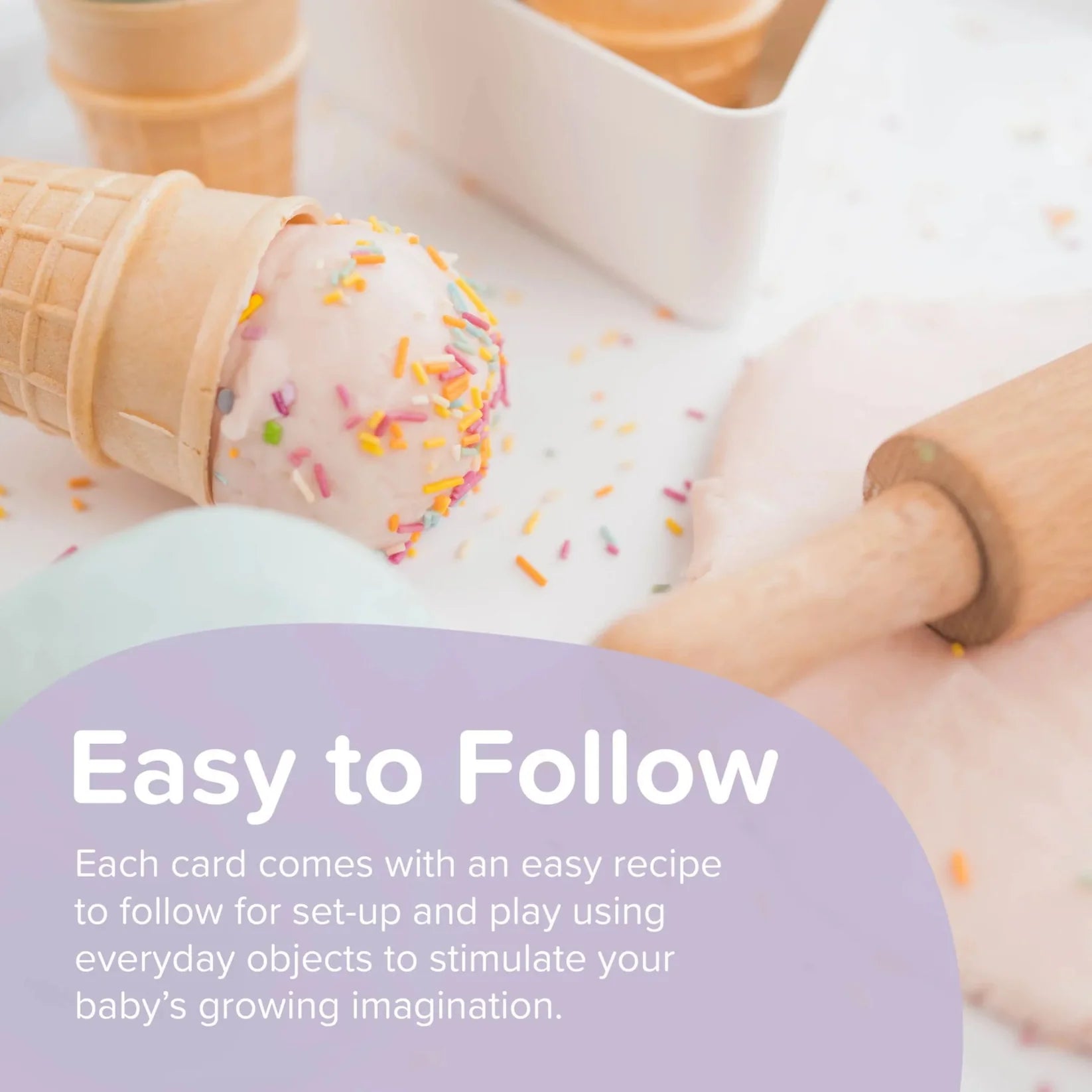
Educational kits are carefully curated packages designed to spark curiosity, encourage hands-on learning, and provide structured yet engaging experiences for children. These comprehensive learning resources combine multiple components to help youngsters explore complex concepts through interactive play. Whether introducing scientific principles, coding skills, or creative problem-solving, educational kits transform learning from a passive to an active experience.

At their core, educational kits serve multiple developmental purposes. Educational toys help children understand fundamental skills through immersive, age-appropriate challenges. Take, for instance, the innovative Cubetto Playset from Primo Toys - a wooden robot that teaches coding through a tactile, screen-free programming language. Such kits demonstrate how complex technological concepts can be introduced to young learners through intuitive, playful interactions.

Typically, educational kits include several key components designed to support comprehensive learning:

  • Instructional materials providing clear guidance
  • Specialised equipment or tools for hands-on exploration
  • Step-by-step activity guides
  • Problem-solving challenges
  • Interactive learning elements

Some educational kits, like the Great Plant Hunt programme developed by the Royal Botanic Gardens, Kew, offer structured educational experiences specifically tailored for primary schools. These kits provide teaching materials and specialised equipment, enabling children to engage directly with scientific processes such as seed processing and botanical investigation.

Beyond academic skills, educational kits nurture essential developmental capabilities. They encourage critical thinking, enhance motor skills, promote spatial reasoning, and build confidence through achievement. By transforming abstract concepts into tangible, interactive experiences, these learning resources make education an exciting journey of discovery for children.

Key Types Of Educational Kits Available

Educational kits come in a diverse range of styles and formats, designed to cater to different learning interests and developmental stages. STEM toy collections represent a significant category, focusing on science, technology, engineering, and mathematics through engaging, interactive experiences. These kits help children explore complex concepts through hands-on learning, transforming abstract ideas into tangible, enjoyable activities.

One fascinating example of innovative educational kits is robotic construction sets, such as Cubelets. These modular toys connect magnetically, allowing children to create various robot configurations while simultaneously learning about robotics and programming principles. Similarly, construction toy kits like Atollo enable children to build flexible three-dimensional shapes, promoting creativity and spatial reasoning skills.

The primary categories of educational kits include:

  • Science Exploration Kits

    • Botanical investigation sets
    • Chemistry experiment collections
    • Microscopy and observation tools
  • Technology and Coding Kits

    • Programmable robot sets
    • Computational thinking resources
    • Electronics and circuitry learning packages
  • Creative and Arts Kits

    • Craft and design workshops
    • Musical instrument building sets
    • Artistic skill development collections

These educational kits are meticulously designed to provide structured yet engaging learning experiences. Comprehensive educational toy guides highlight how these resources go beyond mere entertainment, offering targeted developmental benefits. By presenting complex concepts through playful, interactive methods, these kits transform learning into an exciting journey of discovery, helping children develop critical thinking, problem-solving, and motor skills in a supportive, enjoyable environment.

Mother and daughter working on kit at table

How Educational Kits Support Child Development

Educational kits play a crucial role in supporting holistic child development by providing structured, engaging learning experiences that target multiple developmental domains simultaneously. Understanding the role of educational toys reveals how these carefully designed resources help children develop critical cognitive, physical, and social-emotional skills through purposeful play.

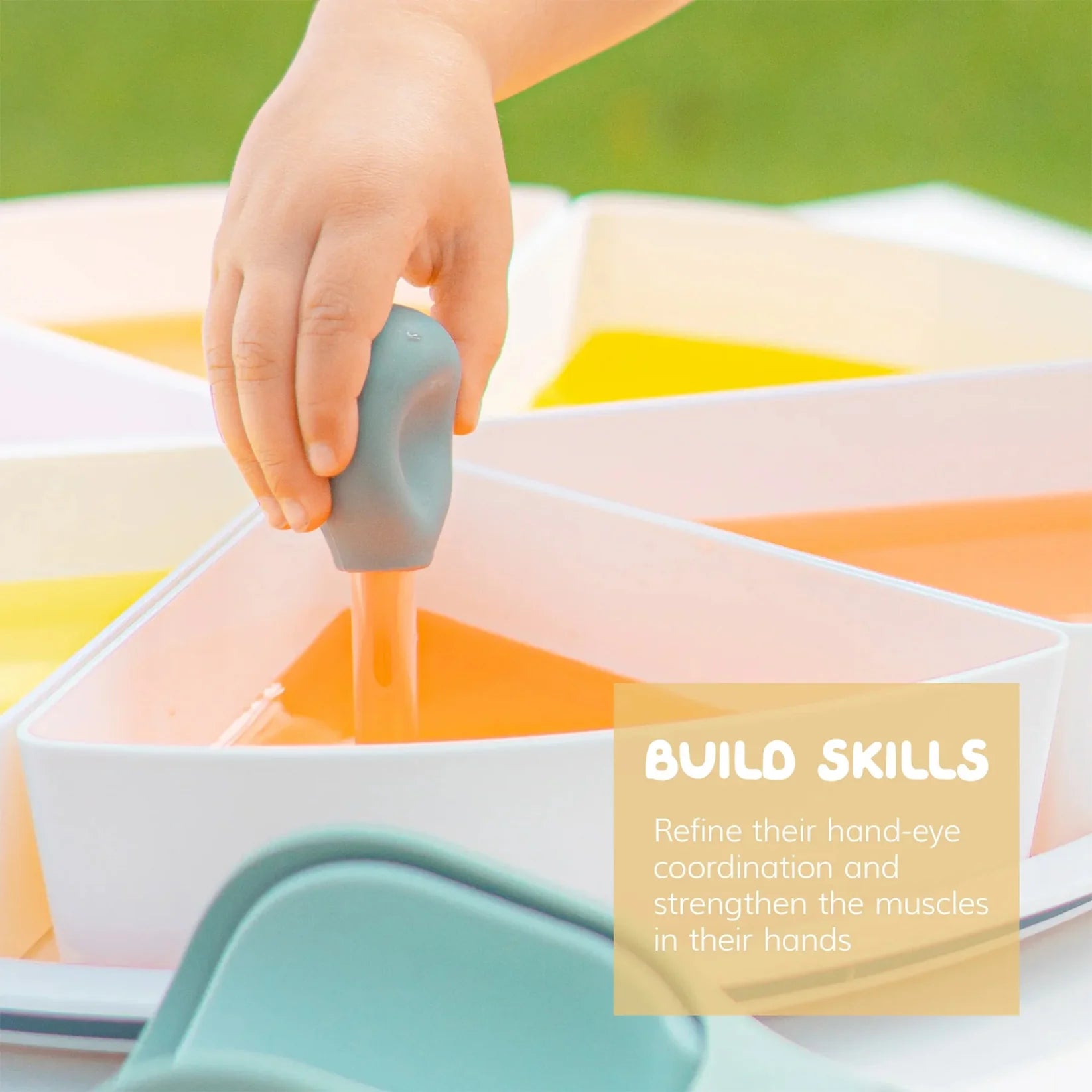
Take, for instance, construction toys like Cleversticks, a UK-manufactured plastic toy set that enables children to assemble diverse models. Such kits directly support fine motor skill development, hand-eye coordination, and spatial reasoning. By manipulating pieces and creating structures, children learn problem-solving techniques and experience the satisfaction of building something tangible.

The developmental benefits of educational kits extend across multiple areas:

  • Cognitive Development

    • Enhances logical thinking
    • Develops strategic planning skills
    • Improves memory and concentration
  • Physical Development

    • Refines fine and gross motor skills
    • Improves hand-eye coordination
    • Encourages physical manipulation and exploration
  • Social-Emotional Growth

    • Builds self-confidence
    • Teaches patience and persistence
    • Encourages collaborative play

Some educational kits even incorporate safety and social learning elements. Innovative tools like Walkodile demonstrate how educational resources can simultaneously teach cooperative behaviour and promote child safety during group activities. By providing structured yet flexible learning environments, these kits help children develop essential life skills while maintaining an engaging, enjoyable experience.

Ultimately, educational kits transform learning from a potentially intimidating process into an exciting journey of discovery. Choosing the right educational toys can make a significant difference in a child’s developmental trajectory, offering personalised learning experiences that adapt to individual interests and developmental stages.

Choosing Age-Appropriate Educational Kits

Choosing age-appropriate educational kits requires careful consideration of a child’s developmental stage, individual interests, and learning potential. Each age group presents unique cognitive, physical, and emotional characteristics that demand tailored learning resources designed to challenge and engage children effectively.

Educational toy recommendations emphasise the importance of matching learning tools to specific developmental windows. Young children require different stimulation compared to older children, making precise age selection critical for maximising educational impact.

Age-specific selection guidelines include:

  • 0-2 Years

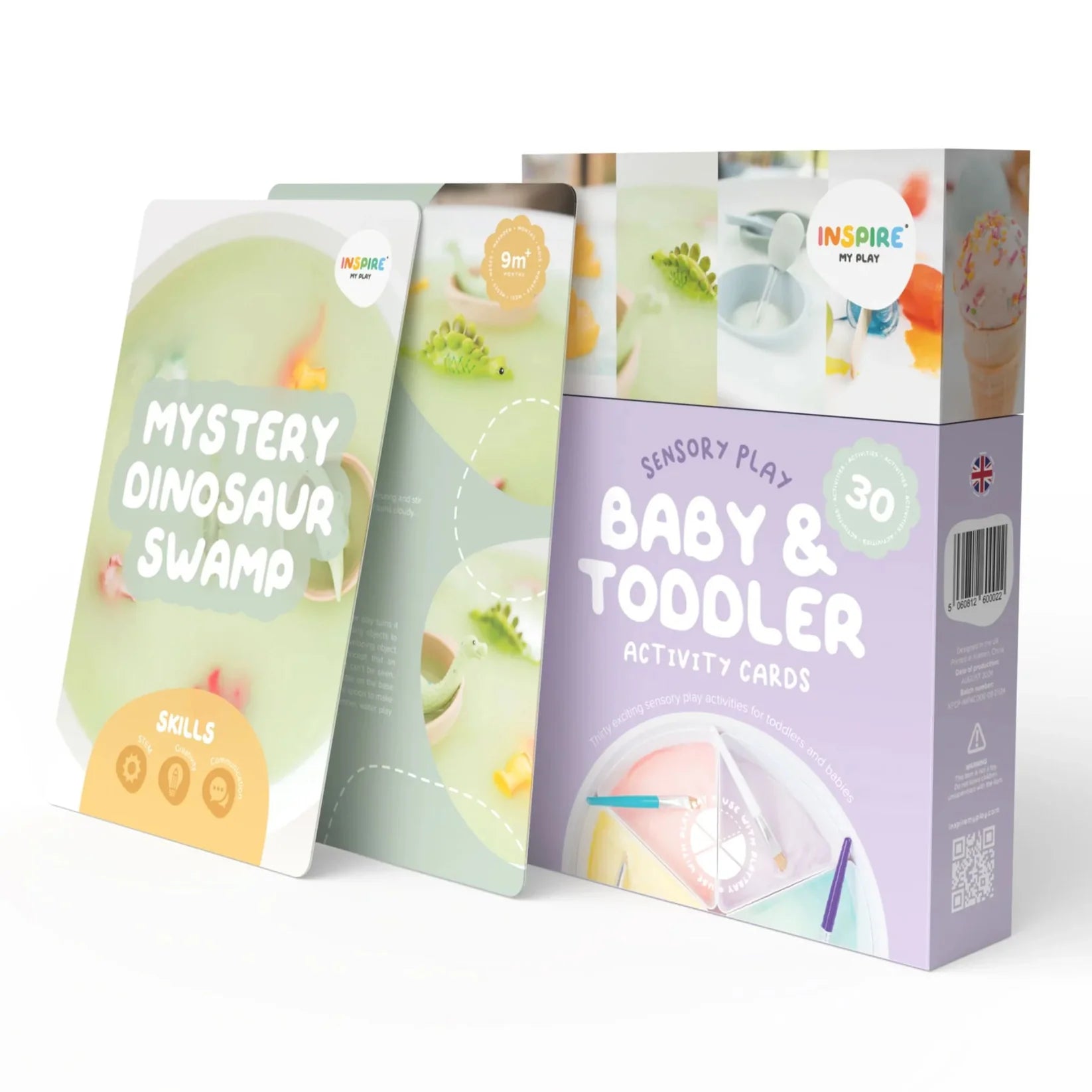
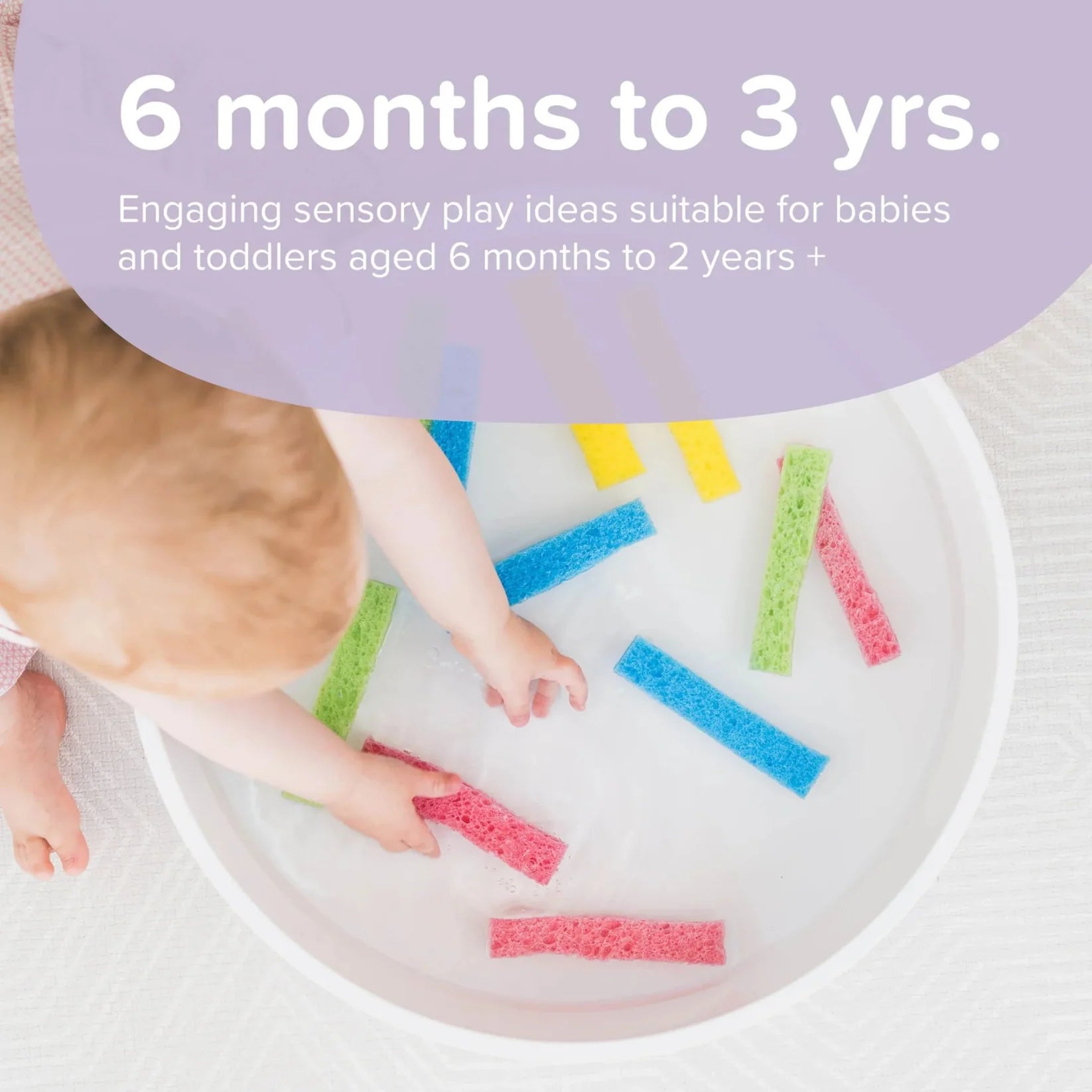
    • Sensory exploration toys
    • Large, safe manipulation objects
    • High-contrast visual stimulation items
  • 3-5 Years

    • Basic construction sets
    • Puzzle and matching games
    • Simple role-play equipment
  • 6-8 Years

    • Complex building kits
    • Initial coding and technology sets
    • More advanced problem-solving resources

Key considerations when selecting age-appropriate educational kits involve assessing several crucial factors. How to choose educational toys recommends evaluating the child’s current skill level, interests, and potential for growth. Parents should look for kits that provide just enough challenge to encourage learning without causing frustration, creating a delicate balance between accessibility and complexity.

Infographic comparing science, art, and tech kits

Ultimately, the most effective educational kits are those that seamlessly blend enjoyment with learning, transforming educational experiences into exciting adventures of discovery. By carefully matching resources to a child’s developmental stage, parents can unlock incredible potential and nurture a lifelong love of learning.

Safety Standards And Quality Marks In The UK

Ensuring child safety is paramount when selecting educational kits, and the United Kingdom maintains rigorous product safety standards to protect young consumers. These comprehensive guidelines establish crucial benchmarks for manufacturers, requiring meticulous attention to design, materials, and potential hazards associated with children’s learning resources.

Manufacturers must navigate complex regulatory landscapes, with key quality indicators including CE marking and British Standards certifications. These quality marks represent more than aesthetic badges - they are concrete assurances of a product’s compliance with stringent safety, health, and environmental requirements.

Key safety considerations for educational kits include:

  • Material Safety

    • Non-toxic substances
    • Durable construction
    • Age-appropriate material selection
  • Physical Design

    • No small, detachable parts for young children
    • Rounded edges
    • Robust structural integrity
  • Developmental Appropriateness

    • Clear age recommendations
    • Matched cognitive challenge levels
    • Minimal potential for misuse

Parents should look for specific quality indicators when evaluating educational kits. Trusted certification marks from organisations like the British Standards Institution (BSI) provide independent verification of a product’s safety and quality. These marks signify that the educational kit has undergone comprehensive testing and meets established national safety protocols.

Ultimately, understanding these safety standards empowers parents to make informed choices, selecting educational resources that are not just engaging, but fundamentally secure and developmentally appropriate for their children.

Discover Educational Kits That Inspire and Develop Every Child

Choosing the right educational kit can feel overwhelming when you want to nurture your child’s curiosity while supporting their developmental needs. This article clearly highlights how play-focused learning tools boost critical thinking, fine motor skills, and social-emotional growth. At the same time, you need products that are safe, age-appropriate, and truly engaging to make learning a joyful experience.

Learning Bugs offers a carefully curated selection of educational kits and toys designed to match your child’s interests and developmental stage. Explore options that combine hands-on discovery with quality craftsmanship, encouraging imagination and problem-solving without screen time.

https://learningbugs.co.uk

Transform your child’s playtime into an exciting learning adventure by visiting Learning Bugs for a wide range of developmental toys. Find detailed descriptions, age recommendations, and trusted quality assurances all in one place. Start supporting your child’s growth and creativity today by exploring our educational kits at Learning Bugs.

To learn more about choosing the best products, check out our guidance on how to choose educational toys and why age-appropriate toys matter. Your child’s next great discovery awaits.

Frequently Asked Questions

What are educational kits for children?

Educational kits are curated packages that combine multiple components designed to promote hands-on learning and explore complex concepts through interactive play. They aim to make education engaging and enjoyable for children.

What types of educational kits are available?

Educational kits come in various types, including science exploration kits, technology and coding kits, and creative arts kits. Each category targets different learning interests and developmental stages, providing immersive experiences.

How do educational kits support child development?

Educational kits support child development by targeting multiple domains such as cognitive, physical, and social-emotional skills. They enhance logical thinking, refine motor skills, and build self-confidence through interactive play and problem-solving activities.

How can I choose age-appropriate educational kits?

Choosing age-appropriate educational kits involves considering a child’s developmental stage, interests, and skill levels. Each age group requires different stimulation, so select kits that provide suitable challenges for the child’s current capabilities.

Louise