
7 Smart Ways Early Years Learning Toys Support Child Growth

early years learning toys

Over 80 percent of a child’s brain development happens before age five, yet many parents overlook the impact of hands-on learning during these years. Fine motor skills shape your child’s ability to write, feed themselves, and handle countless daily tasks. Choosing the right toys can turn everyday play into a powerful foundation for lifelong coordination and confidence, helping your child master essential skills while having fun.

Table of Contents

Quick Summary

Takeaway Explanation
1. Choose toys for fine motor skill growth. Select hands-on toys that require grasping and manipulation to enhance children’s hand coordination and control.
2. Support imaginative play with open-ended toys. Provide toys that can be used in various ways to nurture creativity and problem-solving skills in children.
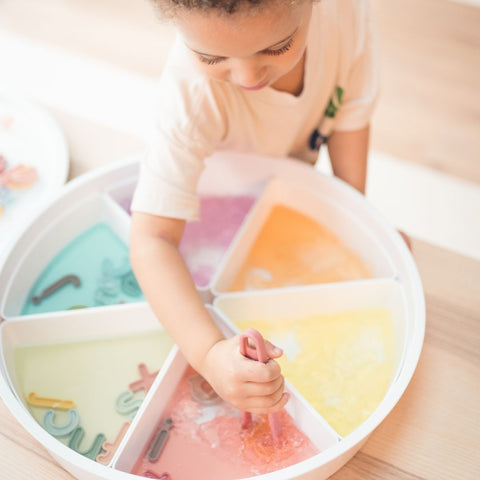
3. Use alphabet sets for early literacy development. Engage children with alphabet toys that allow for tactile exploration to build pre-reading and writing skills.
4. Foster social skills through role play. Utilize role play toys that encourage empathy and communications skills by exploring social scenarios.
5. Select puzzles to promote problem-solving. Choose puzzles that challenge children progressively to develop logical thinking and perseverance during play.

1. Boosting Fine Motor Skills with Hands-On Toys

Early years learning toys are powerful tools for developing your child’s fine motor skills essential for writing, drawing, and everyday tasks. By engaging with hands-on toys, young children learn to control and coordinate their hand movements with precision and confidence.

Research from the UK Department for Education highlights the importance of activities that encourage grasping, manipulating, and exploring materials. These interactions help children develop their pincer grip a crucial skill for writing and handling small objects.

Practical toys that support fine motor skill development include:

  • Playdough tables that allow children to squeeze, roll, and shape materials
  • Threading beads which improve hand eye coordination
  • Stacking toys that require precise hand movements
  • Weaving activities that strengthen finger dexterity

By choosing toys that challenge your child’s hand movements incrementally, you create opportunities for skill progression. The key is selecting age appropriate toys that provide just enough complexity to encourage growth without causing frustration.

A comprehensive guide to fine motor skill development can offer additional insights into selecting the right toys for your child’s developmental stage. Remember that consistent practice with engaging toys transforms skill building into a fun and natural learning experience.

2. Encouraging Creative Play for Imagination

Imagination is the magical gateway through which children explore possibilities, develop problem solving skills, and understand the world around them. Creative play transforms ordinary toys into extraordinary adventures that spark curiosity and learning.

Open ended toys are particularly powerful for nurturing imagination. These versatile playthings do not have a single prescribed use allowing children to transform them in countless ways. A wooden block might become a castle, a car, or part of an elaborate structure depending on your child’s creativity.

To support imaginative play, consider toys that:

  • Encourage storytelling and role playing
  • Allow multiple ways of interaction
  • Have minimal predetermined functions
  • Stimulate sensory exploration

Parents can actively support imagination by providing unstructured play time and demonstrating creative thinking. Observe how your child uses toys without directing their play allowing their unique narrative to unfold naturally.

Explore our comprehensive guide to toys that inspire creativity for more insights into selecting imagination boosting playthings. Remember that imagination is not just about entertainment it is a crucial skill for future learning and problem solving.

3. Building Early Literacy with Alphabet Sets

Alphabet sets are magical learning tools that transform letters from abstract symbols into tangible, interactive experiences for young children. These playful educational resources help children develop crucial pre reading and writing skills through engaging sensory exploration.

Learning letters becomes an adventure when children can touch, manipulate, and explore alphabet sets. These toys support multiple aspects of literacy development including letter recognition, phonemic awareness, and early writing skills. By turning learning into a playful experience, children become naturally curious about language and communication.

When choosing alphabet sets, look for toys that offer multiple learning opportunities:

  • Wooden letter blocks with varying textures
  • Magnetic letter sets for interactive spelling
  • Alphabet puzzles that encourage problem solving
  • Tracing sets that support fine motor skill development

Parents can enhance learning by making alphabet play interactive. Encourage your child to spell simple words, create stories, or match letters to sounds. This approach transforms literacy learning from a potential chore into an exciting game.

For more insights into selecting educational toys that support early learning, explore our guide to must have toys for preschoolers. Remember that consistent, playful exposure to letters builds the foundation for confident reading and writing skills.

4. Developing Social Skills Through Role Play

Role play toys are powerful tools that transform learning social skills into an engaging and natural experience for young children. Through imaginative scenarios, children explore complex social interactions, emotional understanding, and communication strategies in a safe and playful environment.

When children engage with role play toys like doctor sets, kitchen kits, or community helper costumes, they are not simply playing. They are learning critical social skills such as empathy, turn taking, cooperation, and perspective taking. These experiences help them understand different social roles and develop emotional intelligence.

Effective role play toys should offer:

  • Diverse character costumes and accessories
  • Interactive props that encourage storytelling
  • Opportunities for group and solo play
  • Realistic representations of everyday scenarios

Parents can support social skill development by participating in role play, asking open ended questions, and encouraging children to explore different perspectives. This approach transforms play into a rich learning experience that builds confidence and social understanding.

For more insights into how toys contribute to child development, check out our comprehensive guide to the role of toys in development. Remember that every imaginative scenario is a stepping stone towards becoming a socially confident and empathetic individual.

5. Fostering Problem Solving with Puzzles

Puzzles are extraordinary learning tools that transform challenge into an exciting cognitive adventure for young children. By engaging with puzzles, children develop critical problem solving skills that become foundational for future learning and intellectual growth.

As children manipulate puzzle pieces, they learn spatial reasoning, logical thinking, and perseverance. These complex mental skills emerge through seemingly simple actions of sorting, matching, and connecting different components. Early Years Direct highlights how interlocking and threading activities specifically enhance children’s ability to understand how pieces fit together.

When selecting puzzles, look for toys that offer:

  • Increasing levels of complexity
  • Different shapes and textures
  • Opportunities for independent exploration
  • Themes that spark curiosity

Parents can support problem solving by allowing children to struggle constructively. Offer gentle guidance without solving the puzzle for them. This approach helps build confidence and teaches children that challenges are opportunities for learning.

Discover more about selecting educational toys that support cognitive development in our guide to educational toys that boost learning fun. Remember that every puzzle piece a child connects is a small victory in their learning journey.

6. Supporting Sensory Exploration with Textured Toys

Sensory toys are magical windows into a child’s perceptual world, transforming simple play into rich learning experiences. Through textured toys, children develop critical neural connections by exploring different sensations and understanding the world through touch.

When children engage with toys featuring varied textures soft, rough, smooth, bumpy they are doing more than playing. They are developing neural pathways that support cognitive development, fine motor skills, and sensory processing. These experiences help children build understanding of physical properties and learn to differentiate between different sensory inputs.

Ideal sensory toys should provide:

  • Multiple texture experiences
  • Safe and durable materials
  • Opportunities for exploration
  • Age appropriate complexity

Parents can enhance sensory learning by introducing toys with intentional texture variations and encouraging curious exploration. Ask questions like “How does this feel?” to help children articulate their sensory experiences and develop language skills alongside physical understanding.

For additional insights into selecting developmental toys, explore our guide to learning toys for toddlers. Remember that every texture tells a story in a child’s sensory journey of discovery.

7. Promoting Eco-Awareness with Wooden Toys

Wooden toys are more than playthings they are powerful teachers of environmental consciousness for young children. By introducing sustainably crafted toys, parents can nurture an early understanding of ecological responsibility and appreciation for natural materials.

Wooden toys offer a tactile connection to the natural world, helping children understand the origins of materials and the importance of sustainable choices. Unlike plastic alternatives, these toys demonstrate how everyday objects can be created from renewable resources, sparking conversations about environmental preservation and responsible consumption.

When selecting wooden toys, look for products that:

  • Are crafted from sustainably sourced timber
  • Use non toxic natural finishes
  • Support local or ethical manufacturing
  • Are designed for long term durability

Parents can transform wooden toy play into learning opportunities by discussing where wood comes from, how trees grow, and why protecting natural resources matters. This approach turns playtime into an engaging environmental education experience.

For comprehensive insights into selecting high quality wooden toys, explore our guide to understanding the role of wooden toys today. Remember that each wooden toy is a small step towards teaching children about sustainability and respect for our planet.

Below is a comprehensive table summarising the key themes and insights related to children’s development through various types of toys discussed in the article.

Development Area Toy Types Key Benefits
Fine Motor Skills Playdough, threading beads, stacking toys, weaving activities Enhance hand-eye coordination, pincer grip, finger dexterity
Creative Play Open-ended toys, storytelling props Stimulates imagination, problem-solving, creative expression
Early Literacy Alphabet blocks, magnetic letters, puzzles Supports letter recognition, phonemic awareness, early writing
Social Skills Role play sets, costumes Builds empathy, cooperation, emotional understanding
Problem Solving Puzzles of varying complexities Develops spatial reasoning, logical thinking, perseverance
Sensory Exploration Textured toys Enhances cognitive development, sensory processing
Eco-Awareness Wooden toys Promotes sustainability understanding, environmental consciousness

Discover the Perfect Toys to Support Your Child’s Growth

Every parent wants their child to thrive through play that truly supports their development. The article highlights key challenges such as fostering fine motor skills, encouraging imagination, and building early literacy, all essential for laying a strong foundation in those crucial early years. At Learning Bugs, we understand how important it is to find toys that strike the right balance between fun and purposeful learning — toys that engage little hands, inspire creativity, and nurture social skills reliably.

https://learningbugs.co.uk

Explore our carefully curated selection of timeless wooden toys, role play sets, and educational kits designed to meet your child’s evolving needs. Each product is chosen to spark curiosity and support skills like problem solving and sensory exploration. Don’t wait to give your child playful learning experiences that build confidence and joy. Visit Learning Bugs today and find the ideal toys that help bring the 7 smart ways of early years learning to life. Start your purposeful shopping now and make every playtime count with the right tools for growth.

Frequently Asked Questions

How do early years learning toys boost fine motor skills?

Early years learning toys enhance fine motor skills by encouraging activities such as grasping, manipulating, and exploring materials. Choose toys that promote these actions, like playdough tables or threading beads, to help your child develop critical skills within 30–60 days.

What types of toys encourage imaginative play?

Toys that allow for open-ended use, like building blocks or role-play costumes, can greatly enhance children’s imagination. Provide a variety of these toys, and support unstructured play to encourage creativity in your child’s everyday activities.

How can alphabet sets help my child’s literacy development?

Alphabet sets assist in literacy development by making letter learning interactive and engaging. Incorporate activities like spelling simple words or matching letters to sounds while playing to see improvements in pre-reading skills within a few weeks.

What role do puzzles play in fostering problem-solving skills?

Puzzles challenge children to think critically and improve their problem-solving abilities. Introduce puzzles that gradually increase in complexity, allowing your child to tackle new challenges independently, which can enhance their cognitive skills significantly over time.

How can textured toys support sensory exploration?

Textured toys provide diverse sensory input that aids in cognitive development and fine motor skills. Encourage your child to engage with various textured toys, asking questions about what they feel to deepen their understanding and language skills as they explore.

Why are wooden toys beneficial for teaching eco-awareness?

Wooden toys are environmentally friendly and can help children understand the importance of sustainability. Use playtime to discuss how wooden toys are made from natural materials, fostering discussions about the environment and responsible consumption during their play sessions.

0 comments

Leave a comment

Please note, comments need to be approved before they are published.