
How to Pick Sensory Toys for Children with Confidence
Discover how to pick sensory toys step-by-step, from understanding your child’s needs to verifying quality. Find the perfect toy for meaningful play.

In This Guide
Finding the ideal sensory toy is not always as simple as picking the most colorful option in a shop. Many british parents are surprised to learn that over 60 percent of children have unique sensory preferences that directly influence how they learn and play. Understanding these differences is essential when searching for toys that truly support development rather than just providing a momentary distraction. This guide walks you through a proven process to match sensory toys to your child’s individual needs, making every step easier and more purposeful.
Table of Contents
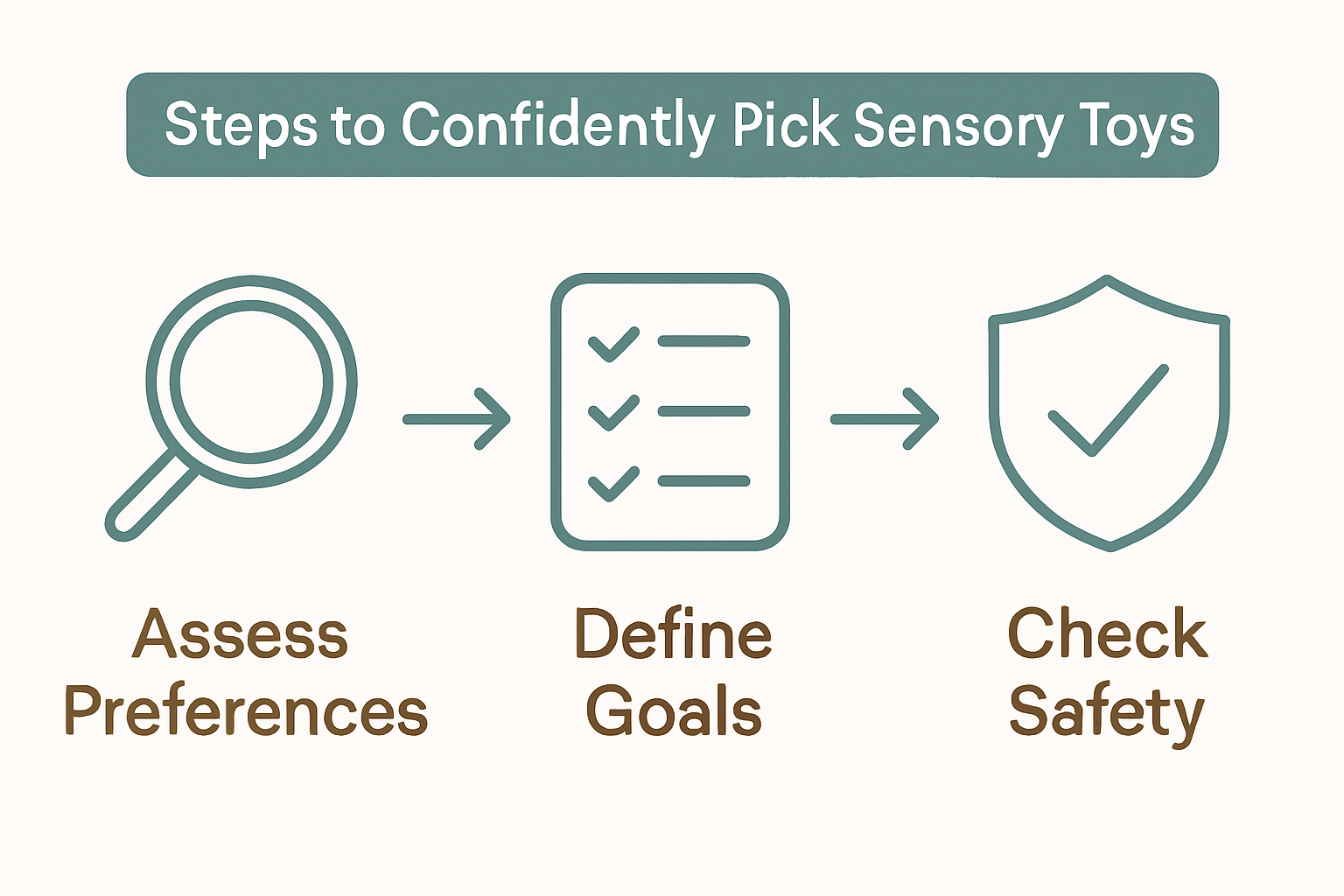
- Stage 1: Assess Your Child’s Sensory Preferences
- Stage 2: Define Key Developmental Goals
- Stage 3: Explore Suitable Sensory Toy Options
- Stage 4: Evaluate Quality And Safety Standards
- Stage 5: Test Toy Engagement And Effectiveness
Quick Summary
| Key Insight | Explanation |
|---|---|
| 1. Assess sensory preferences first | Observe how your child reacts to different sensory inputs to tailor toy selection to their unique needs. |
| 2. Define clear developmental goals | Establish specific skills to support, ensuring the chosen toys are beneficial for targeted developmental outcomes. |
| 3. Explore a variety of sensory toys | Look for toys offering diverse sensory experiences to engage your child across multiple sensory domains effectively. |
| 4. Evaluate quality and safety | Ensure toys meet safety standards and are made from non-toxic materials, avoiding hazards like sharp edges or small parts. |
| 5. Monitor toy engagement and effectiveness | Observe your child’s interactions with selected toys to gauge their interest and sensory responses, adjusting the selection as needed. |
Stage 1: Assess your child’s sensory preferences
Identifying your child’s unique sensory profile is the crucial first step in selecting the perfect sensory toys that will truly engage and support their developmental journey. Understanding how your little one responds to different sensory inputs helps you choose toys that will spark joy, learning, and growth.
Observe your child closely across various sensory domains. Watch how they interact with different textures, sounds, movements, and visual stimuli. Some children are highly sensitive to touch and prefer soft, smooth materials, while others seek out rough or bumpy sensations. Notice if your child covers their ears in loud environments, suggesting auditory sensitivity, or if they constantly seek movement and spinning experiences, indicating a need for vestibular stimulation. Pay attention to their reactions when touching different materials like wool, silk, wooden surfaces, or plastic toys understanding sensory preferences matters deeply for targeted play experiences.
A helpful tip is to create a simple sensory preference journal. Record your observations about how your child responds to various sensory experiences. Do they love squeezing playdough? Get overwhelmed by bright lights? Seek out spinning toys? Crave deep pressure hugs? These notes will become your personalised roadmap for selecting sensory toys that truly resonate with your child’s unique neurological wiring. Your goal is not just to entertain but to provide meaningful sensory experiences that support their developmental growth and comfort.
As you complete this assessment, you’ll be ready to move to the next stage of selecting specific sensory toys tailored precisely to your child’s individual needs and preferences.
Stage 2: Define key developmental goals
Establishing clear developmental goals for your child is fundamental to selecting sensory toys that will support their growth and learning. By understanding the specific skills you want to nurture, you can strategically choose toys that provide targeted developmental support.
Structured developmental assessments help parents identify precise areas where their child might benefit from additional stimulation. Consider focusing on key developmental domains such as fine motor skills, gross motor coordination, sensory integration, cognitive processing, and emotional regulation. For instance, if your child struggles with tactile sensitivity, you might seek toys that gradually introduce different textures in a controlled, comfortable manner. If spatial awareness is a challenge, look for toys that encourage movement and proprioceptive feedback.
A practical approach is to create a simple developmental goal chart. List specific skills you observe your child needs support with and rank them by priority. Perhaps they need help with hand eye coordination, or struggle with balance and vestibular processing. Comprehensive sensory processing guidance suggests tailoring interventions to individual needs, allowing you to select sensory toys that are not just fun, but genuinely supportive of your child’s unique developmental journey.
With your developmental goals clearly defined, you are now prepared to explore sensory toy options that will provide meaningful, targeted support for your child’s growth.
Stage 3: Explore suitable sensory toy options
Now that you understand your child’s sensory preferences and developmental goals, you are ready to explore a diverse range of sensory toys that will engage and support their unique learning journey. This stage is about finding the perfect match between your child’s needs and the right sensory stimulation.
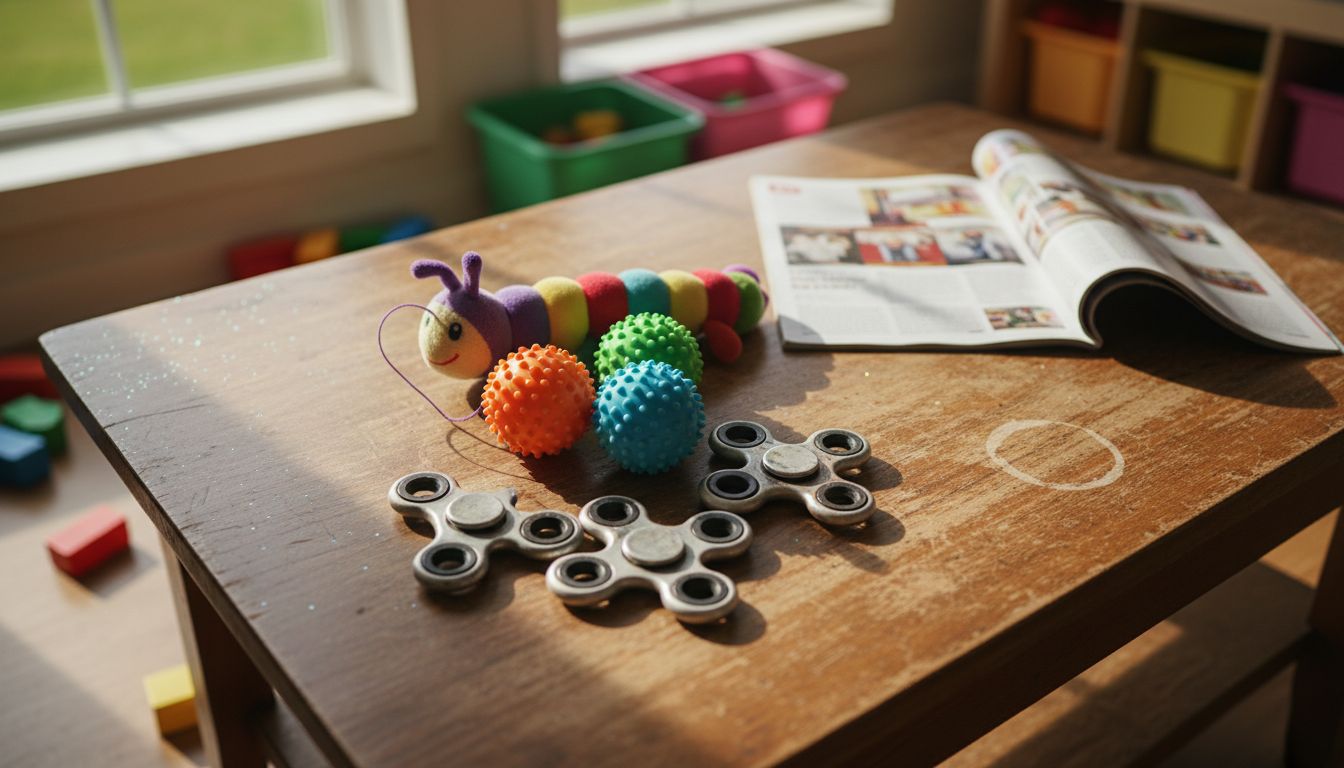
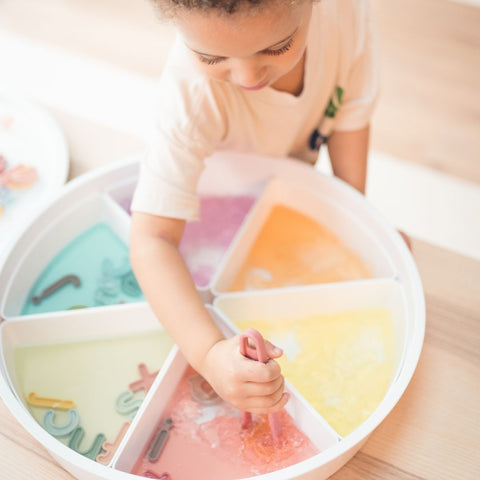
Making play inclusive requires thoughtful selection of toys that provide rich, multi sensory experiences. Look for toys that offer varied textures, sounds, movements, and visual stimuli. Consider options like textured balls with different surface patterns, musical instruments with contrasting sounds, light up toys with changing colours, or play dough that provides malleable tactile feedback. Wooden blocks with rough and smooth surfaces, fabric swatches with different weights and textures, and spinning toys can provide excellent sensory exploration opportunities.
Experts recommend diversifying sensory experiences through carefully chosen play materials. Choose toys that encourage interaction across multiple sensory domains strateg approach helps prevent sensory overload while gradually building your child’s comfort and engagement. Pay attention to your child’s reactions when introducing new toys track their comfort levels. Some children might need gradual exposure, while others will dive enthusiastically into new sensory experiences.
With a carefully curated selection of sensory toys, you are now prepared to introduce these exciting new play opportunities to your child, supporting their developmental growth through joyful, meaningful interactions.
Stage 4: Evaluate quality and safety standards
Ensuring the safety and quality of sensory toys is a critical step in supporting your child’s developmental journey. Your careful evaluation will help protect your child while providing meaningful sensory experiences that promote learning and growth.
Occupational therapy experts emphasise the importance of rigorous safety standards when selecting sensory play materials. Begin by checking for age appropriate certifications and safety markings on toys. Look for British Standard Safety marks which indicate the product has undergone thorough testing. Examine the toy’s construction carefully checking for potential hazards like small detachable parts that could pose choking risks for younger children. Pay close attention to material quality ensuring toys are made from non toxic materials free from harmful chemicals.
When evaluating sensory toys, consider durability alongside safety. Robust toys that can withstand enthusiastic play will provide longer lasting sensory experiences. Check the toy’s construction quality examining seams, edges, and overall sturdiness. For textured or tactile toys, ensure the surfaces are smooth without sharp edges that might cause discomfort or potential injury. Consider the washing and maintenance requirements particularly for toys that will frequently be touched or mouthed by your child.
Your meticulous approach to selecting safe sensory toys demonstrates your commitment to providing a nurturing environment that supports your child’s unique developmental needs.
Stage 5: Test toy engagement and effectiveness
With carefully selected sensory toys in hand, you now enter the crucial phase of assessing how these toys truly interact with your child’s unique sensory profile. This stage is about understanding not just whether a toy looks promising, but how it genuinely supports your child’s developmental journey.
Observing children’s responses to sensory activities provides invaluable insights into toy effectiveness. Create a calm, comfortable environment for initial toy introduction. Watch your child’s initial reaction carefully noting their body language, facial expressions, and level of curiosity. Do they reach out eagerly? Do they hesitate? Pay attention to the duration of engagement tracking how long the toy captures their interest. Some children might explore methodically while others dive in with enthusiasm.
Making play experiences truly inclusive requires flexibility and keen observation. Keep a simple journal documenting your child’s interactions noting specific sensory responses. Record details like which textures they prefer, sounds that calm or excite them, and movements that capture their attention. Be prepared to rotate toys if initial interest wanes, understanding that sensory preferences can shift rapidly. Your patient, attentive approach transforms toy selection from a guessing game into a nuanced, responsive developmental strategy.
With these insights, you are now equipped to make informed decisions about which sensory toys truly resonate with your child’s unique developmental needs.
Find Sensory Toys That Truly Support Your Child’s Unique Needs
Choosing the right sensory toys is about much more than just play. It is about understanding your child’s distinct sensory preferences and developmental goals to provide meaningful, nurturing experiences that foster growth and confidence. If you are seeking toys that align with the detailed stages highlighted in “How to Pick Sensory Toys for Children with Confidence” you need a trusted partner that values quality, safety, and tailored developmental support.
Explore Learning Bugs for a carefully curated collection of sensory-stimulating toys designed to engage every sense and inspire joyful active play. From textured wooden toys to creative role play sets, each product captures the essence of personalised sensory exploration and developmental benefit. Don’t wait to provide your child with the tools that complement their sensory profile and spark imagination. Start your journey today at Learning Bugs and discover how thoughtful play can empower your child’s growth.
Frequently Asked Questions
How can I assess my child’s sensory preferences?
To assess your child’s sensory preferences, observe how they react to various textures, sounds, and movements. Keep a sensory preference journal where you note their reactions to different sensory experiences, such as their interest in squeezing playdough or their response to bright lights.
What developmental goals should I focus on when selecting sensory toys?
Focus on developmental goals like fine motor skills, gross motor coordination, and sensory integration. Create a list of specific skills your child needs support with and rank them by priority to ensure you select toys that target their unique needs.
How do I evaluate the safety and quality of sensory toys?
Always check for age-appropriate certifications and safety markings on sensory toys to ensure they meet safety standards. Look for durable materials free from harmful chemicals, and inspect the construction of the toy for potential hazards such as small parts or sharp edges.
What steps can I take to test the effectiveness of sensory toys with my child?
After introducing a sensory toy, carefully observe your child’s reactions and engagement levels. Note their body language and interest over time, and keep a journal of their interactions to track which toys resonate with them and support their development.
How can I make the selection process for sensory toys more effective?
Make the selection process effective by combining your observations of your child’s sensory preferences with their developmental goals. Create a comprehensive list of suitable toys that provide varied sensory experiences across different domains, ensuring a well-rounded approach to play.
What should I do if my child loses interest in a sensory toy?
If your child loses interest in a sensory toy, rotate the toys periodically to keep playtime fresh and engaging. Introduce new toys gradually while maintaining some familiar options to ensure a balance that keeps their interest piqued.
Recommended
- The Essential Guide to Why Sensory Toys Matter – Learning Bugs
- 7 Best Learning Toys for Toddlers to Boost Development – Learning Bugs
- Why Gift Learning Toys: A Complete Parent’s Guide – Learning Bugs
- Why Age-Appropriate Toys Matter: Complete Guide – Learning Bugs
- 8 Essential Tips for Camping with Children – Hazli Collection
- Puppy Training for Disabilities: Effective Tips for 2025 – iPupPee