



The Essential Guide to Why Sensory Toys Matter

sensory play classroom

Over 60 percent of children benefit from sensory play during early development, shaping crucial skills through everyday interactions with their environment. Sensory toys do much more than provide entertainment—they help children make sense of sights, sounds, and textures while building stronger motor skills and emotional resilience. Understanding how these toys support growth empowers parents to choose playthings that truly nurture learning, spark curiosity, and encourage healthy self-expression.

Table of Contents

Key Takeaways

Point Details
Importance of Sensory Toys Sensory toys are essential developmental tools that aid children, particularly those who are neurodivergent, in processing sensory information and self-regulating emotions.
Types of Sensory Toys Different sensory toys target specific senses, including tactile, visual, and auditory, each offering unique benefits that cater to various developmental goals.
Considerations for Selection When choosing sensory toys, prioritize safety, match toys with the child’s sensory preferences, and limit choices to avoid overwhelming them.
Common Mistakes Avoid overwhelming children with too many options; instead, focus on a few engaging toys and create a calm play environment to enhance the effectiveness of sensory play.

What Are Sensory Toys and Why They Matter

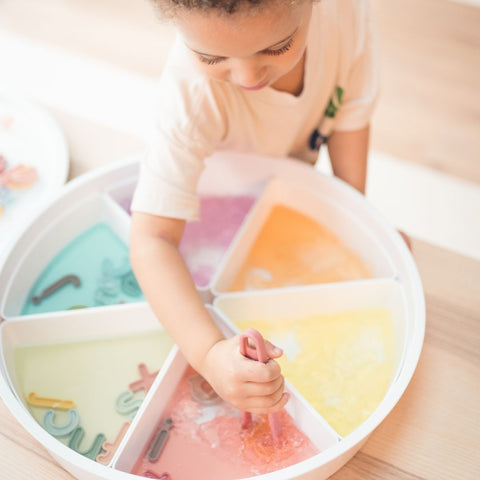
Sensory toys are specially designed play objects that stimulate one or more of a child’s sensory systems - touch, sight, sound, smell, and movement. These unique toys aren’t just playthings; they’re powerful developmental tools that help children explore and understand their world through rich, multi-dimensional experiences.

According to Witherslack Group, sensory toys play a crucial role in helping children, especially neurodivergent children, process sensory information and self-regulate. They provide a discreet yet effective outlet for managing sensory input, which can significantly improve focus and emotional engagement.

sensory therapy session

Key characteristics of sensory toys include:

  • Multiple textures and tactile experiences
  • Interactive elements that provoke different sensory responses
  • Safe design allowing exploration and manipulation
  • Ability to support different developmental stages
  • Opportunities for open-ended play

These toys are more than entertainment. They’re developmental bridges that support cognitive growth, motor skill development, and emotional regulation. Whether a child has specific sensory processing needs or is typically developing, sensory toys offer invaluable learning opportunities that transform playtime into a rich, supportive developmental experience. Learn more about why educational toys matter in our comprehensive guide on understanding children’s play.

Types of Sensory Toys and Their Unique Benefits

Sensory toys come in a diverse range of types, each designed to stimulate different sensory experiences and support unique developmental goals. Understanding these varieties can help parents choose the most appropriate toys for their child’s specific needs and developmental stage.

Tactile Sensory Toys focus on touch and texture experiences. These include:

  • Squishy stress balls
  • Textured play mats
  • Fidget spinners
  • Soft, varied-texture plush toys
  • Kinetic sand or play dough

Visual Sensory Toys engage a child’s sight and visual processing skills. They typically feature:

  • Colourful light-up objects
  • Spinning motion toys
  • Kaleidoscopes
  • Liquid motion timers
  • Reflective or glittery surfaces

Auditory Sensory Toys stimulate hearing and sound processing, including:

  • Musical instruments
  • Sound-making puzzles
  • Rhythm toys
  • Noise-cancelling headphones
  • Electronic sound boards

When selecting sensory toys, consider your child’s specific sensory preferences and developmental needs.

Explore our guide to learning toys that can boost child development for more comprehensive insights into supporting your child’s growth through play.

Developmental Benefits for Children of All Ages

Sensory toys are powerful developmental tools that offer profound benefits across different childhood stages, supporting cognitive, emotional, and physical growth in remarkable ways. Each age group experiences unique developmental advantages through sensory play and interaction.

According to Caloo, sensory play significantly enhances cognitive skills like problem-solving and critical thinking. Children develop language skills as they describe their sensory experiences, expanding their vocabulary and communication abilities. The research highlights that these toys are particularly beneficial for emotional regulation, providing calming effects that help manage stress and anxiety.

Developmental Benefits by Age Group:

Infants (0-12 months):

  • Sensory stimulation for brain development
  • Motor skill enhancement
  • Exploration of cause and effect
  • Tactile and visual learning

Toddlers (1-3 years):

  • Fine motor skill development
  • Improved hand-eye coordination
  • Basic problem-solving skills
  • Emotional expression and regulation

Preschoolers (3-5 years):

  • Advanced cognitive processing
  • Creative thinking
  • Enhanced communication skills
  • Social interaction through play

Explore our comprehensive guide to understanding the role of toys in child development to discover more insights into supporting your child’s growth journey.

How to Choose Safe and Effective Sensory Toys

Selecting the right sensory toys requires careful consideration of your child’s unique developmental needs, individual preferences, and safety requirements. The goal is to find toys that not only engage and stimulate but also support healthy growth and learning.

According to ELFT, it’s crucial to reduce the number of toy options to prevent overwhelming the child. Parents should observe which types of toys most motivate their child - whether those with lights, sounds, or specific textures - and follow the child’s lead in play to encourage meaningful interaction.

Key Considerations When Choosing Sensory Toys:

Safety First:

  • Check for age-appropriate recommendations
  • Ensure no small parts for younger children
  • Verify non-toxic materials
  • Look for rounded edges
  • Inspect for durability

Sensory Matching:

  • Consider your child’s specific sensory preferences
  • Trial different textures and stimulation types
  • Watch for engagement and positive responses
  • Rotate toys to maintain interest

Additional Selection Tips: As EPUT notes, fidget toys can be particularly useful for reducing stress and anxiety. It’s important to trial different options and place them in easily accessible locations to maximize their potential benefits.

Learn more about choosing the right toys for your child’s growth with our comprehensive guide

Common Mistakes When Using Sensory Toys

Parents and caregivers often approach sensory toys with the best intentions, but some common mistakes can significantly reduce their effectiveness and potential developmental benefits. Understanding these pitfalls is crucial for maximizing the positive impact of sensory play.

According to ELFT, one of the most significant errors is overwhelming children with too many toy options. Limiting choices to a few carefully selected items can help maintain focus and engagement. Parents should carefully observe which toys truly motivate their child, ensuring that the sensory experiences align with the child’s individual preferences.

Top Common Sensory Toy Mistakes:

Overstimulation Errors:

  • Presenting too many toys simultaneously
  • Ignoring the child’s sensory processing limits
  • Forcing interaction with toys they don’t enjoy
  • Neglecting individual sensory preferences
  • Changing toys too frequently

Implementation Mistakes:

  • Not creating a calm play environment
  • Failing to demonstrate toy usage
  • Overlooking safety considerations
  • Disregarding age-appropriate selections
  • Minimizing child-led exploration

As EPUT notes, another critical mistake is not allowing sufficient time for children to acclimate to new sensory toys. Children often need time to move past initial novelty and truly benefit from the toy’s sensory properties. Ensuring the toys are easily accessible and consistently available can help children develop meaningful interactions.

Discover more insights about supporting child development through thoughtful toy selection in our comprehensive guide

Unlock the Power of Sensory Play with Thoughtful Toy Choices

Understanding why sensory toys matter is the first step towards nurturing your child’s development through engaging, calming, and meaningful play. Many parents face the challenge of selecting toys that truly match their child’s unique sensory needs without causing overstimulation or clutter. Sensory toys offering tactile, visual, and auditory stimulation create the perfect environment for cognitive growth, emotional regulation, and motor skill development.

Discover a carefully curated collection at Learning Bugs that focuses on sensory-stimulating toys designed to captivate and comfort children of all ages.

https://learningbugs.co.uk

Take control of your child’s playtime today by exploring our range of educational kits, wooden toys, and role play sets that encourage creativity while supporting sensory processing. Visit Learning Bugs to find the perfect toys that combine safety, developmental benefits, and joy. Start your journey towards purposeful play now and watch your child’s confidence and curiosity flourish. For more insights, also see our comprehensive guide on how to choose educational toys and explore learning toys that boost development.

Frequently Asked Questions

What are sensory toys?

Sensory toys are specially designed play objects that stimulate a child’s sensory systems—touch, sight, sound, smell, and movement—helping with cognitive growth, motor skills, and emotional regulation.

How do sensory toys support child development?

Sensory toys enhance cognitive skills, improve motor coordination, and provide emotional regulation benefits. They also promote language development as children describe their sensory experiences.

What types of sensory toys are available and what are their benefits?

Sensory toys include tactile toys (like stress balls), visual toys (like color-changing objects), and auditory toys (like musical instruments). Each type targets specific sensory experiences to support different developmental goals.

Infographic comparing tactile, visual, and auditory sensory toys with icons and key benefits.

How can I choose safe and effective sensory toys for my child?

To choose sensory toys, prioritize safety with age-appropriate selections and non-toxic materials. Consider your child’s sensory preferences, limit toy options to avoid overstimulation, and encourage exploration through play.

0 comments

Leave a comment

Please note, comments need to be approved before they are published.