





Children learn best when they play. Research shows that over 80 percent of early brain development happens before age five, making play-based learning more than just fun and games. The right activities help children unlock creativity, build confidence, and develop problem-solving skills without the pressure of traditional lessons. Understanding how learning through play works empowers parents and educators to support every child’s natural curiosity and growth from the very start.
Table of Contents
- Defining Learning Through Play in Childhood
- Major Types and Methods of Play-Based Learning
- Key Principles and Developmental Benefits
- How Play Supports Cognitive and Social Growth
- Choosing Quality Toys for Effective Play
Key Takeaways
| Point | Details |
|---|---|
| Importance of Learning Through Play | Play is essential for early brain development and helps children explore emotions and build life skills. |
| Types of Play-Based Learning | Three primary approaches include free play, guided play, and structured play, each fostering unique developmental skills. |
| Developmental Benefits | Play improves cognitive, social, emotional, and physical growth, enhancing skills like problem-solving and communication. |
| Quality Toy Selection | Choosing versatile, open-ended, and age-appropriate toys is crucial for nurturing creativity and supporting meaningful play experiences. |
Defining Learning Through Play in Childhood
Learning through play represents a dynamic and natural approach to childhood education where children explore, experiment, and understand the world around them through engaging, enjoyable activities. According to Education Scotland, play is crucial for early brain development, allowing children to explore their emotions and build essential life skills.
At its core, learning through play is not just about entertainment, but a sophisticated developmental process. University of Southampton’s Early Years Centre emphasizes that play enables children to understand their environment holistically, developing mental and physical capabilities simultaneously. This approach transforms seemingly simple activities into powerful learning experiences.
Key characteristics of learning through play include:
- Child-led exploration
- Intrinsic motivation
- Active engagement with materials and environments
- Opportunities for problem-solving
- Social interaction and communication development
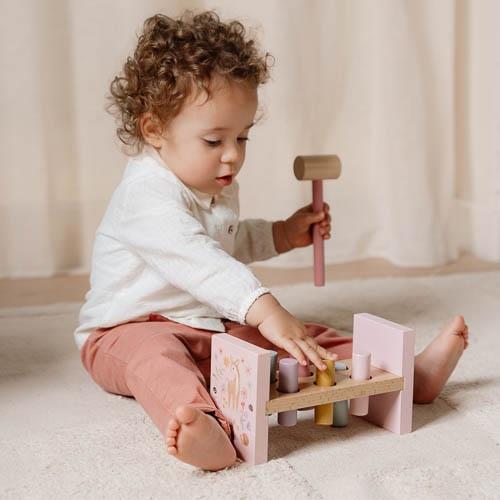
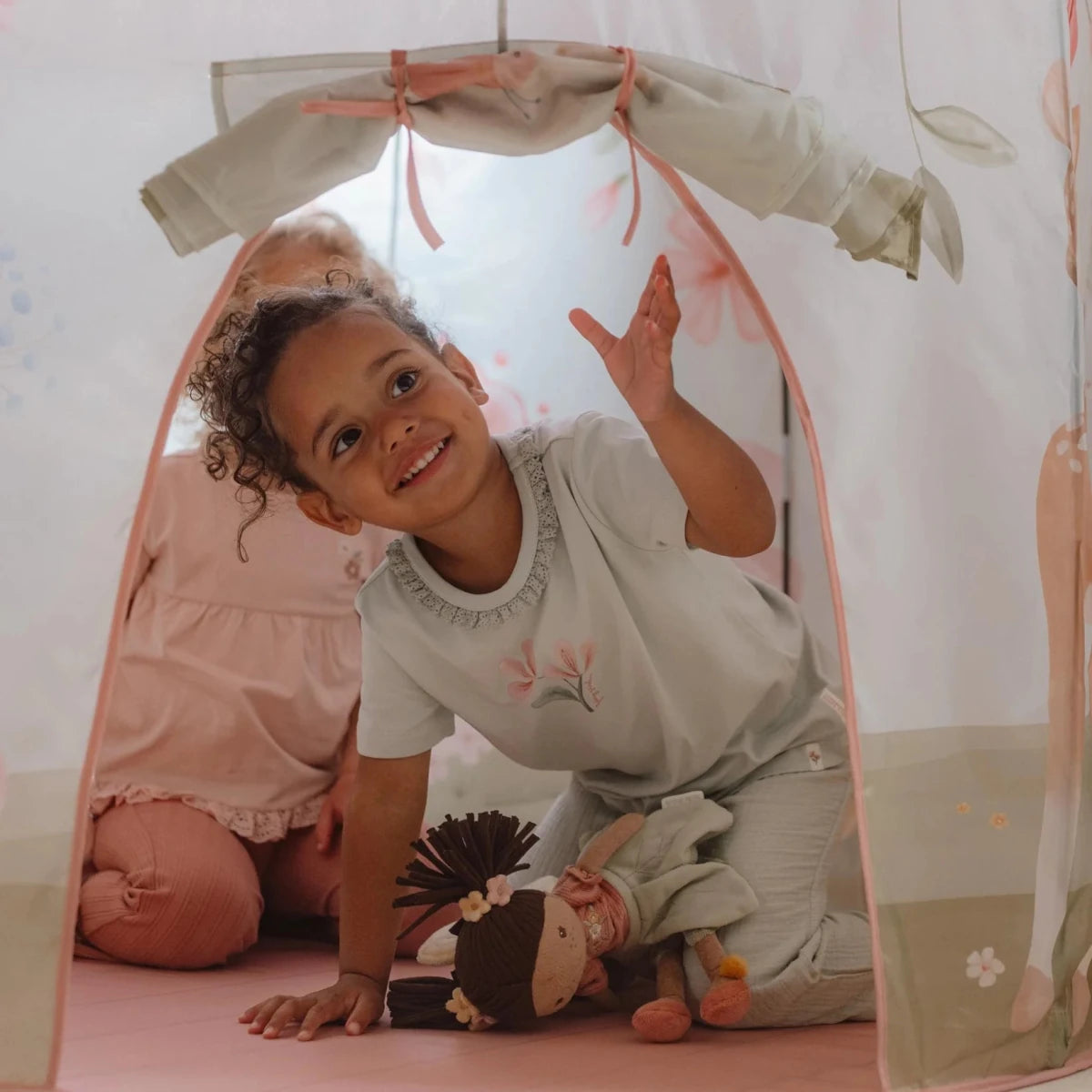
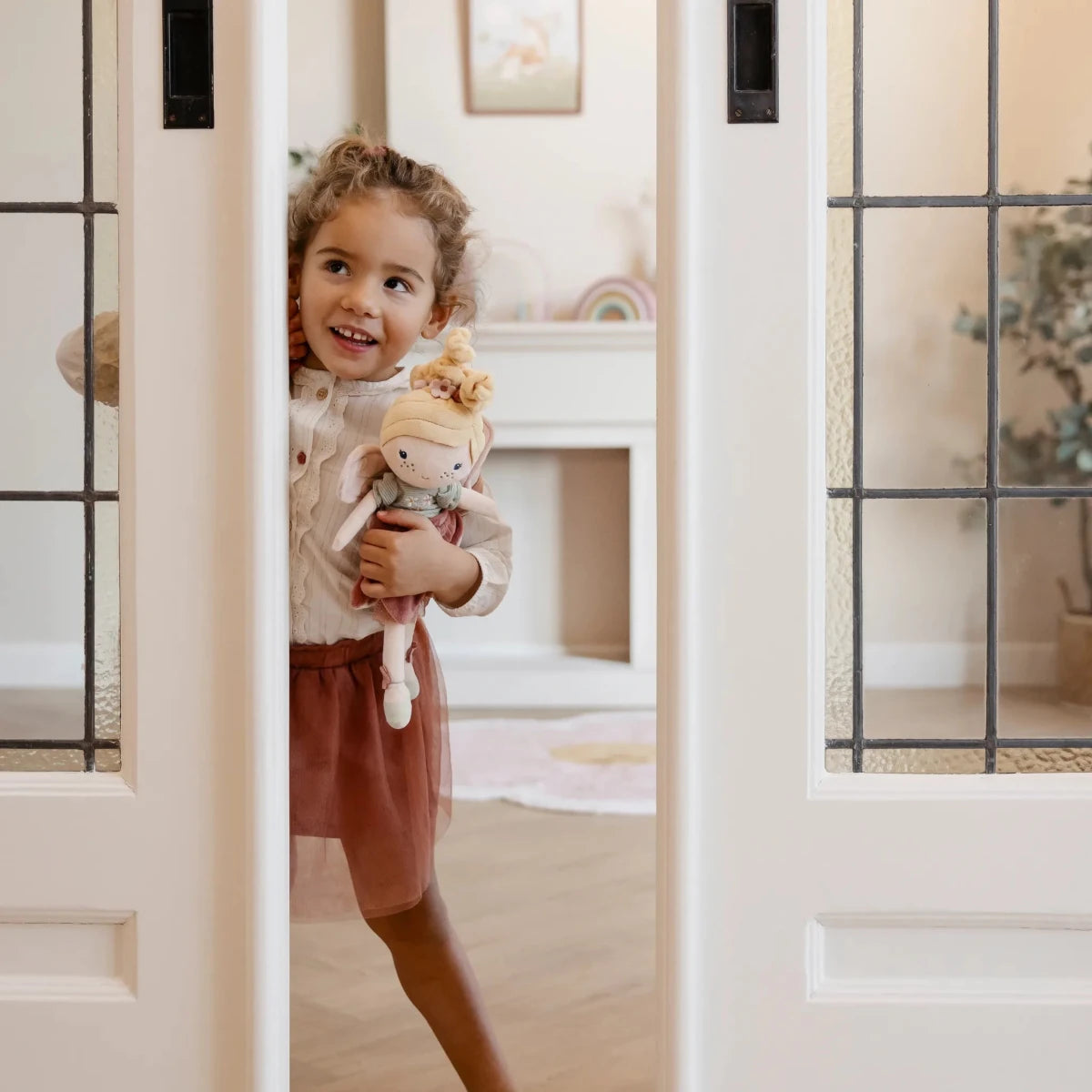
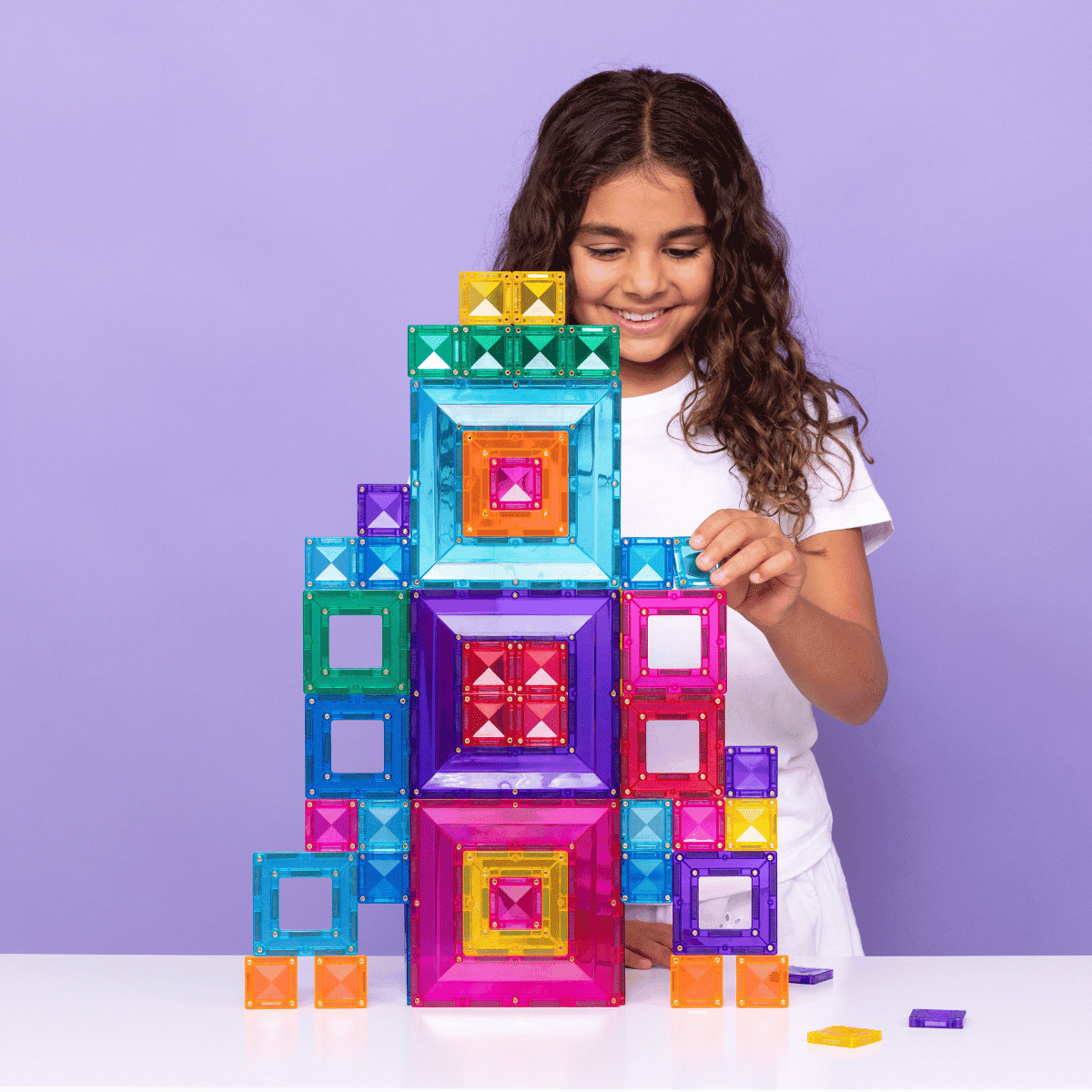
Children naturally gravitate towards play as a learning mechanism. When young learners engage in imaginative scenarios, construct block towers, or collaborate in group games, they’re not just having fun - they’re developing critical cognitive, social, and emotional skills. Parents and educators can support this process by providing stimulating, age-appropriate environments that encourage curiosity and independent discovery.
For parents seeking to understand how to incorporate learning through play, Understanding Why Choose Educational Toys offers comprehensive insights into selecting toys that support developmental milestones while keeping playtime enjoyable and engaging.
Major Types and Methods of Play-Based Learning
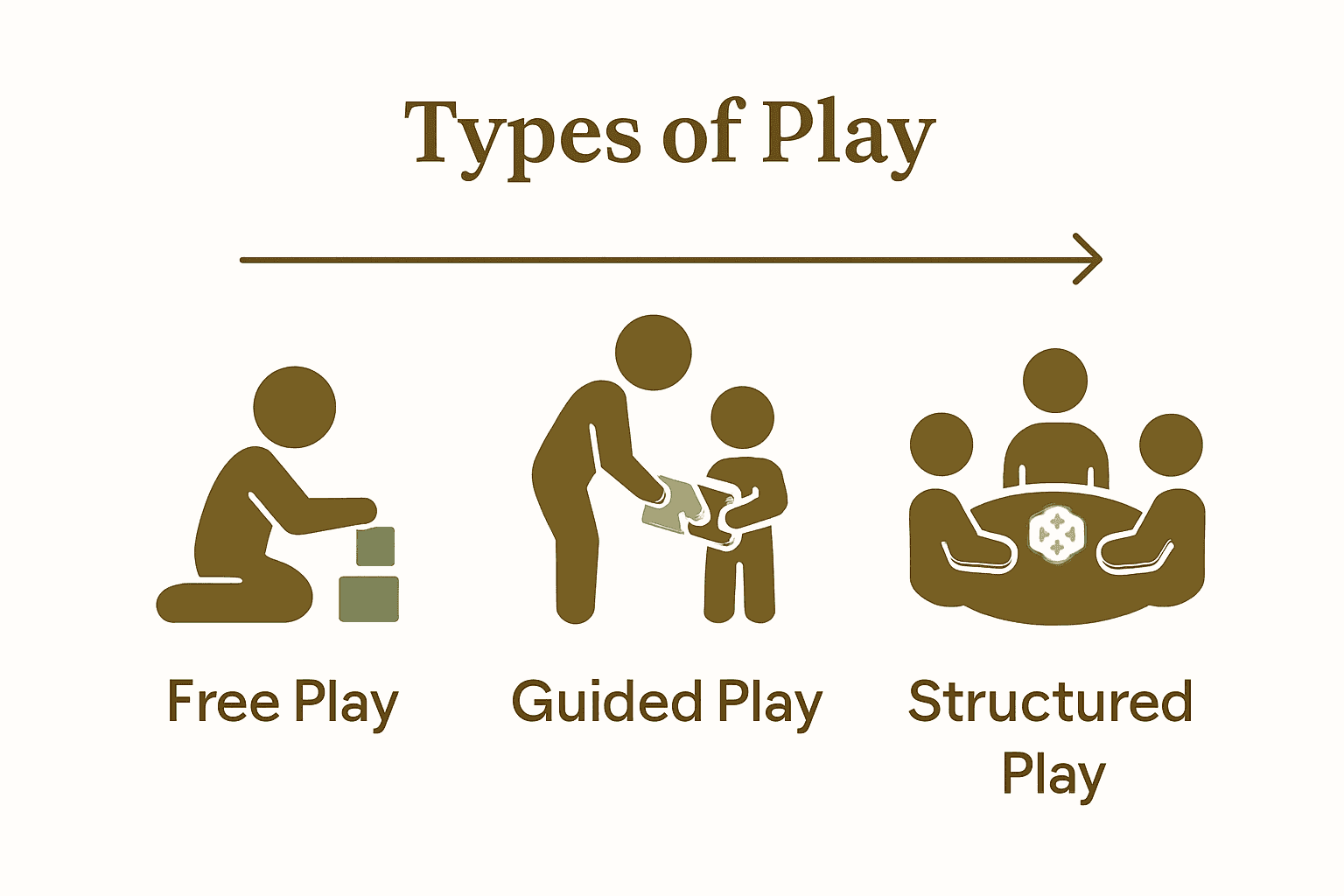
Play-based learning encompasses a diverse range of approaches that support children’s holistic development through engaging, interactive experiences. Education Endowment Foundation highlights a critical continuum of play methods, ranging from entirely child-initiated free play to structured, adult-directed learning activities.
The primary types of play-based learning can be categorized into three fundamental approaches:
- Free Play: Entirely child-directed activities where children choose their own exploration paths
- Guided Play: Collaborative experiences with shared control between adults and children
- Structured Play: Carefully designed activities with specific learning objectives
Right To Play UK emphasizes that each play method fosters unique developmental skills, promoting agency, trust, and mutual respect between children and educators.
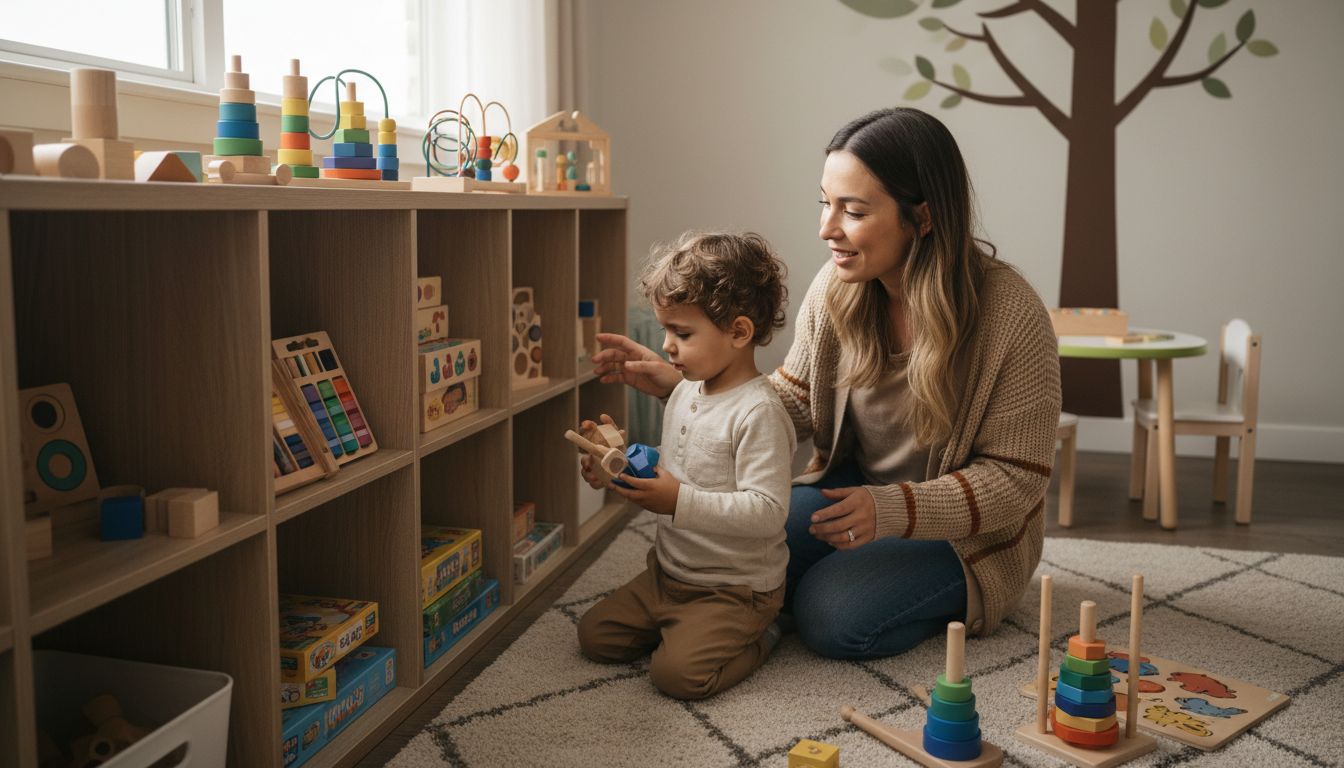
 The collaborative nature of guided play, in particular, creates powerful learning environments where children feel empowered to explore and discover.
For parents seeking inspiration on nurturing creative play experiences, 7 Inspiring Examples of Open-Ended Toys for Creative Play offers valuable insights into selecting toys that encourage imaginative and developmental play. By understanding these different play methods, parents and educators can create rich, engaging learning environments that support children’s natural curiosity and developmental potential.
Key Principles and Developmental Benefits
Play-based learning represents a powerful approach to childhood development, offering far more than simple entertainment. Education Scotland highlights that play is critical for developing essential skills like problem-solving, imagination, creativity, language, observation, memory, and concentration.
The key principles of effective play-based learning include:
- Child-centered experiences
- Intrinsic motivation
- Hands-on exploration
- Emotional and social skill development
- Adaptive learning environments
Education Endowment Foundation research demonstrates that play-based learning approaches have a moderate positive impact on early educational outcomes, particularly in literacy, language development, and numeracy. This evidence underscores the importance of intentional, structured play experiences that balance child-led exploration with strategic guidance.
Developmental benefits extend across multiple domains, supporting cognitive, social, emotional, and physical growth. Children engaged in meaningful play learn to negotiate, communicate, regulate emotions, and develop critical thinking skills. Complete Guide to the Role of Toys in Development offers deeper insights into how purposeful play environments can transform learning experiences, helping parents and educators create supportive developmental frameworks that nurture children’s natural curiosity and potential.
How Play Supports Cognitive and Social Growth
Play is the primary mechanism through which children develop critical cognitive and social skills. Education Scotland emphasizes that play enables children to explore complex emotional landscapes, build resilience, and develop essential problem-solving capabilities.
Cognitive growth through play occurs across multiple developmental domains:
- Memory Enhancement: Repetitive play activities strengthen neural connections
- Language Development: Interactive play encourages communication skills
- Critical Thinking: Solving play-based challenges builds analytical reasoning
- Spatial Awareness: Constructive play improves understanding of physical relationships
- Executive Function: Managing play scenarios develops planning and self-regulation
Education Endowment Foundation research confirms that play-based learning approaches have a significant positive impact on early literacy and numeracy, demonstrating how seemingly simple interactions can profoundly influence learning outcomes. Social skills emerge naturally through collaborative play, where children learn negotiation, empathy, and cooperation.
For parents seeking deeper insights into supporting their child’s developmental journey, Understanding Why Educational Toys Matter for Children provides comprehensive strategies for selecting play experiences that nurture cognitive and social growth. By creating intentional, stimulating play environments, parents can transform everyday moments into powerful learning opportunities.
Choosing Quality Toys for Effective Play
Selecting the right toys is crucial for supporting meaningful play experiences that nurture children’s development. Pepper Pot Nursery emphasizes the importance of providing open-ended materials that allow children to express creativity and explore their imagination freely.
Key criteria for choosing high-quality play resources include:
- Versatility: Toys that can be used in multiple ways
- Open-ended Design: Materials that encourage creative exploration
- Age-Appropriate Complexity: Challenges that match developmental stages
- Sensory Engagement: Toys that stimulate multiple senses
- Durability: Well-constructed items that withstand enthusiastic play
Education Scotland recommends creating play environments that support children’s autonomy and decision-making skills. This means selecting toys that are not just entertaining, but also facilitate learning and personal growth.
Parents seeking practical guidance on navigating the world of educational toys will find How to Choose Educational Toys for Meaningful Child Growth an invaluable resource. The key is to view toys not as mere objects, but as powerful tools for exploration, learning, and developmental support that adapt and grow alongside your child’s changing abilities and interests.
Unlock the Full Potential of Learning Through Play with Learning Bugs
The article highlights how learning through play builds vital cognitive and social skills by offering child-led exploration and creative problem-solving experiences. Many parents seek effective ways to support this natural development but face challenges choosing the right toys that truly nurture imagination, curiosity, and developmental milestones. At Learning Bugs, we understand the need for high-quality, sensory-stimulating toys that encourage open-ended, meaningful play.
Discover our carefully curated collection of timeless wooden toys, role play sets and educational kits designed to spark creativity and active learning. Visit Learning Bugs today to explore toys selected specifically to support child-centred play and developmental growth. Embrace play as the powerful learning tool it is by finding the perfect toys to inspire your child’s imagination now. Start creating joyful, purposeful play experiences at Learning Bugs and turn playtime into valuable learning moments.
Frequently Asked Questions
What is learning through play?
Learning through play is a dynamic approach to education where children explore and understand the world around them through engaging activities, promoting essential skills and brain development.
What are the benefits of play-based learning?
Play-based learning fosters cognitive, social, emotional, and physical growth, enhancing skills such as problem-solving, communication, creativity, and collaboration.
How can parents support learning through play at home?
Parents can support this process by providing stimulating, age-appropriate environments and selecting toys that encourage exploration and creativity, such as open-ended materials.
What types of play-based learning exist?
There are three main types: free play (child-directed), guided play (collaborative with adults), and structured play (designed with specific learning goals). Each type offers unique developmental benefits.