Montessori Learning Explained: Child-Centred Education Guide

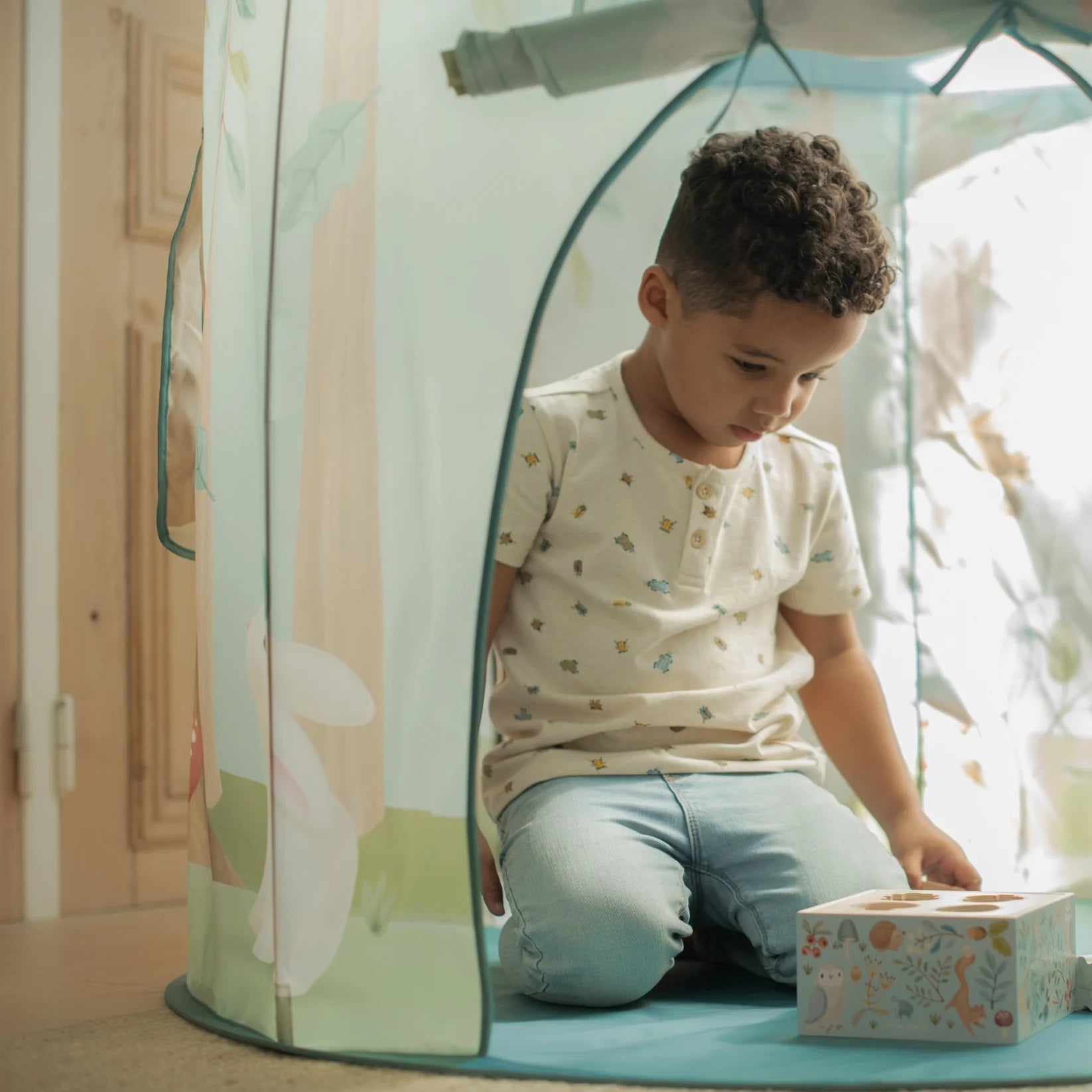
montessori classroom uk

Over 100 years since its founder revolutionised education, Montessori learning remains a trusted choice for british parents seeking more than standard classroom routines. With evidence showing that self-directed environments can significantly boost a child’s independence and problem-solving skills, many families want to understand what this practice looks like day to day. This article unpacks how Montessori principles are thoughtfully woven into real british classrooms and homes, highlighting the impact on children’s growth and daily experiences.

Table of Contents

Key Takeaways

Point Details
Child-Centred Learning Montessori education focuses on placing the child at the centre of the learning process, fostering independence and self-motivation.
Prepared Environments Classrooms and home settings should be thoughtfully designed to encourage exploration with accessible materials and furniture tailored for children.
Holistic Development Montessori methods promote not just academic skills but also social, emotional, and physical growth through experiential learning.
Role of the Educator Teachers act as guides, facilitating learning rather than directing it, which allows children to explore their interests deeply.

What Montessori Learning Means in Practice

Montessori learning represents a profound educational philosophy that transforms traditional classroom dynamics by placing the child at the centre of their own learning journey. According to Henley Montessori, this approach emphasises holistic child development, recognising that the early years from birth to six are critically important for shaping knowledge, skills, and fundamental attitudes towards learning.

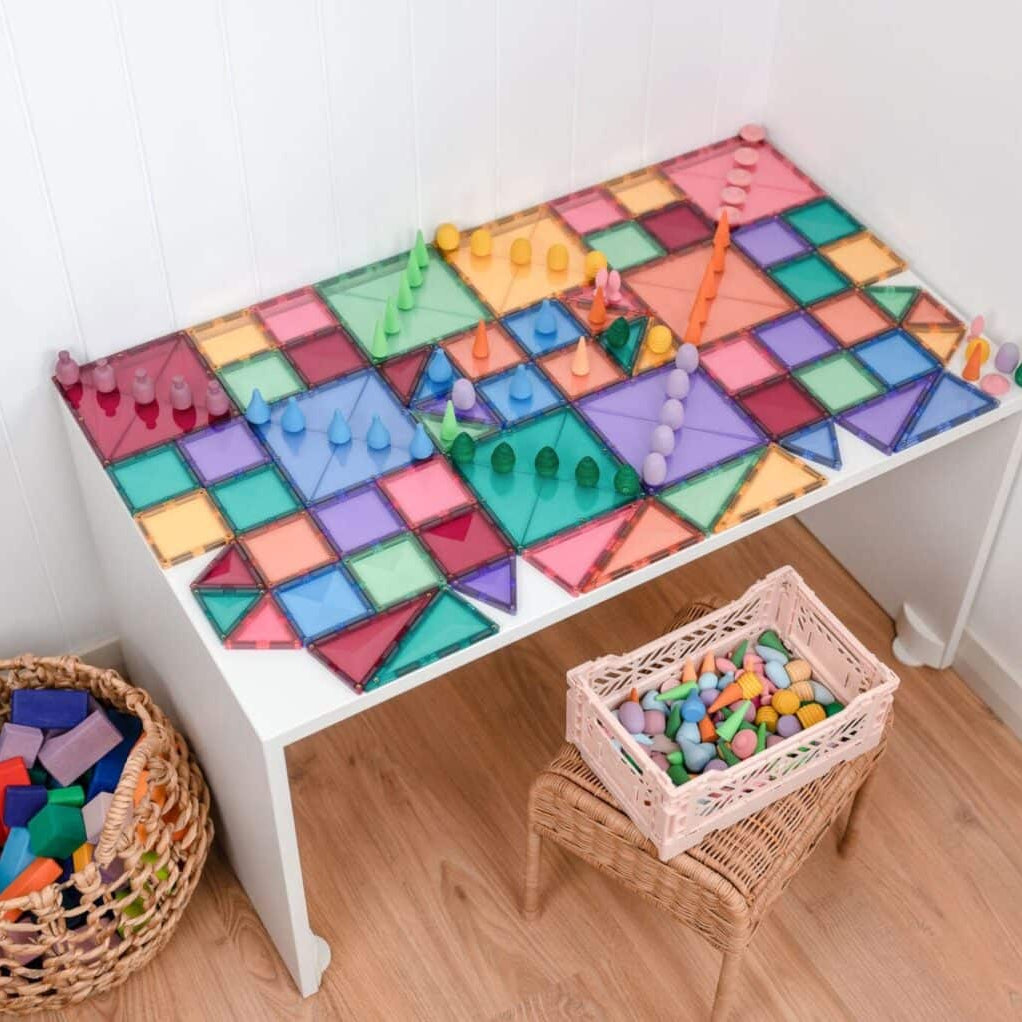
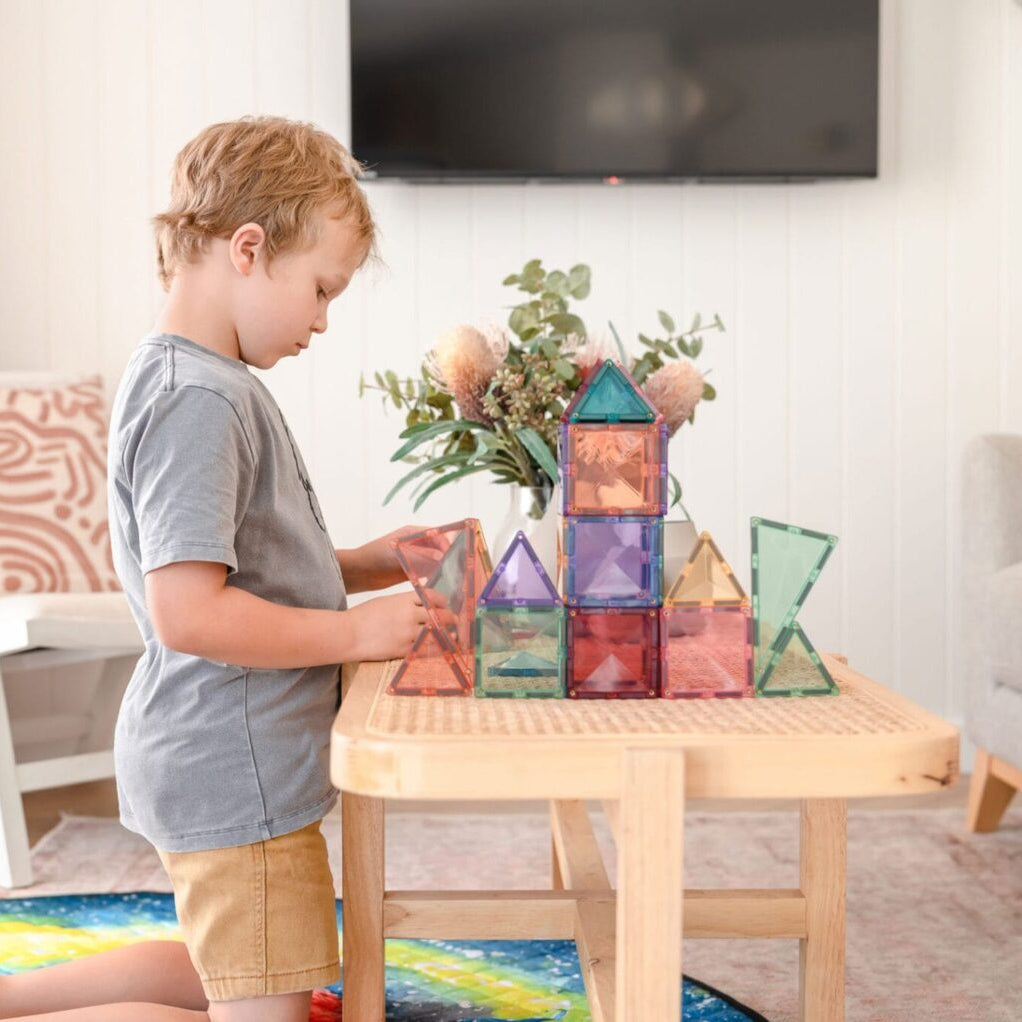
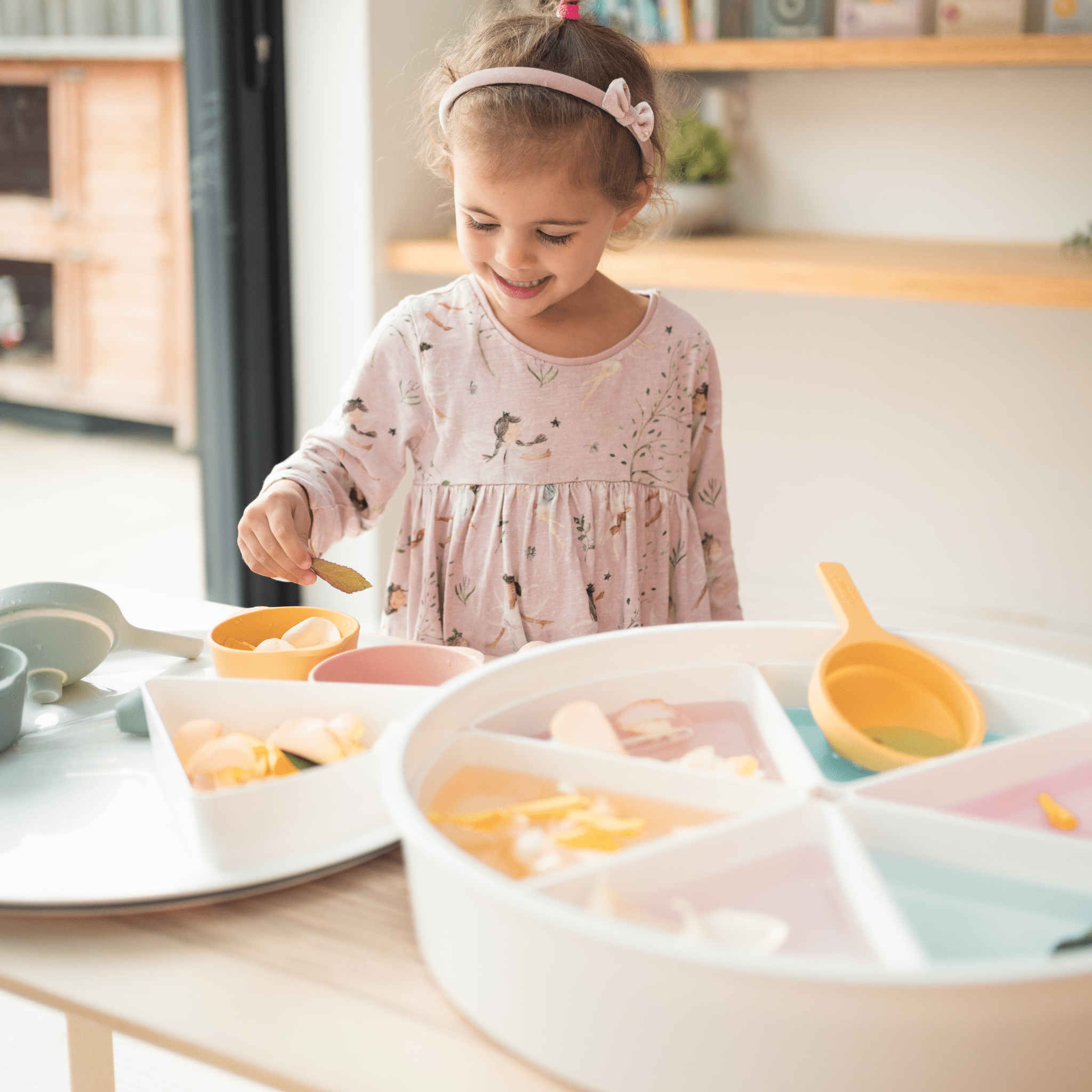
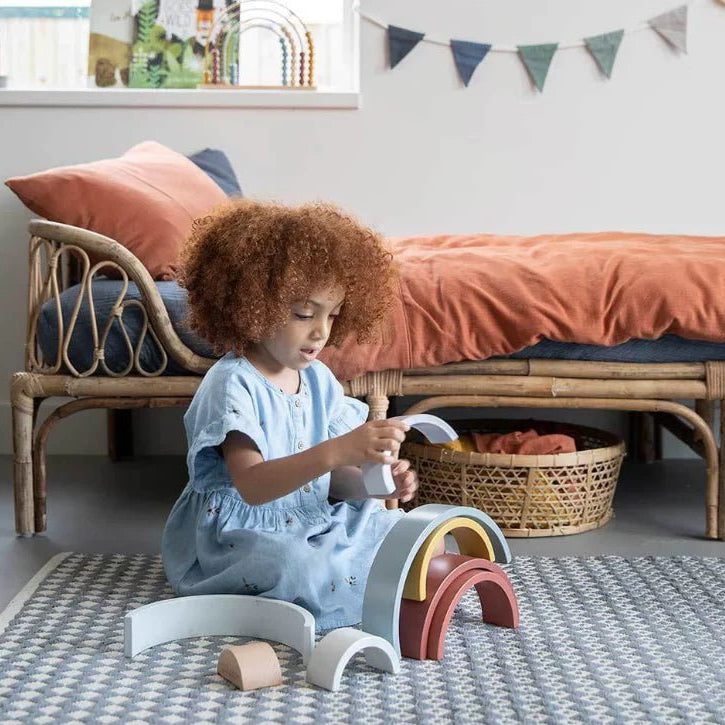
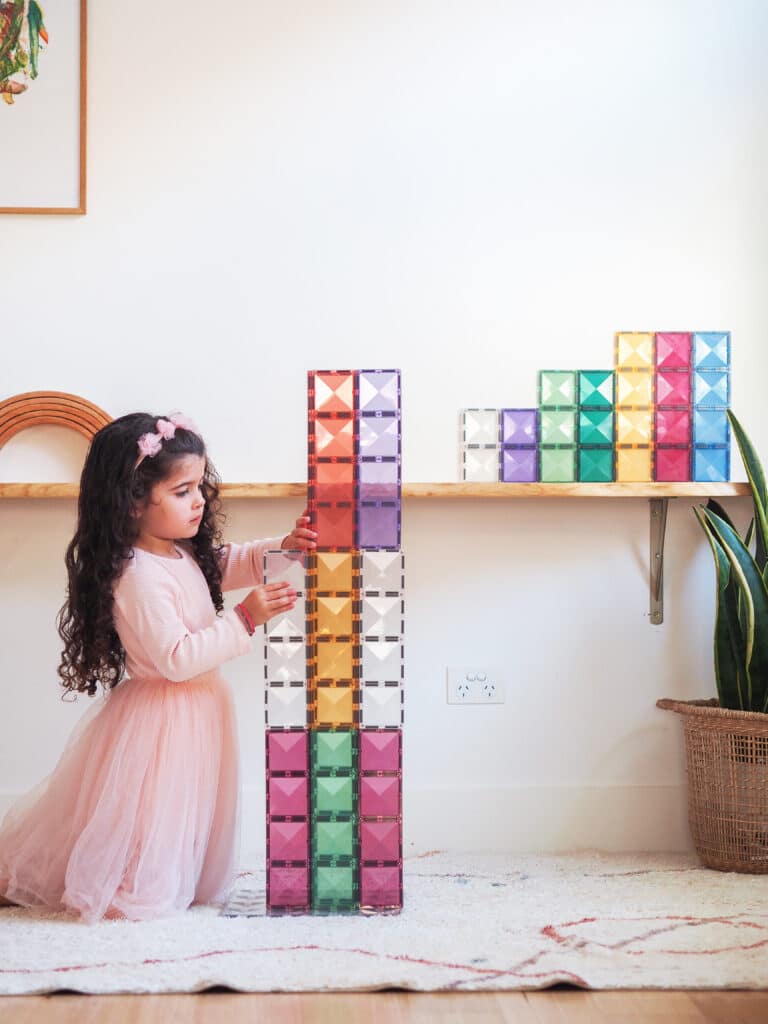
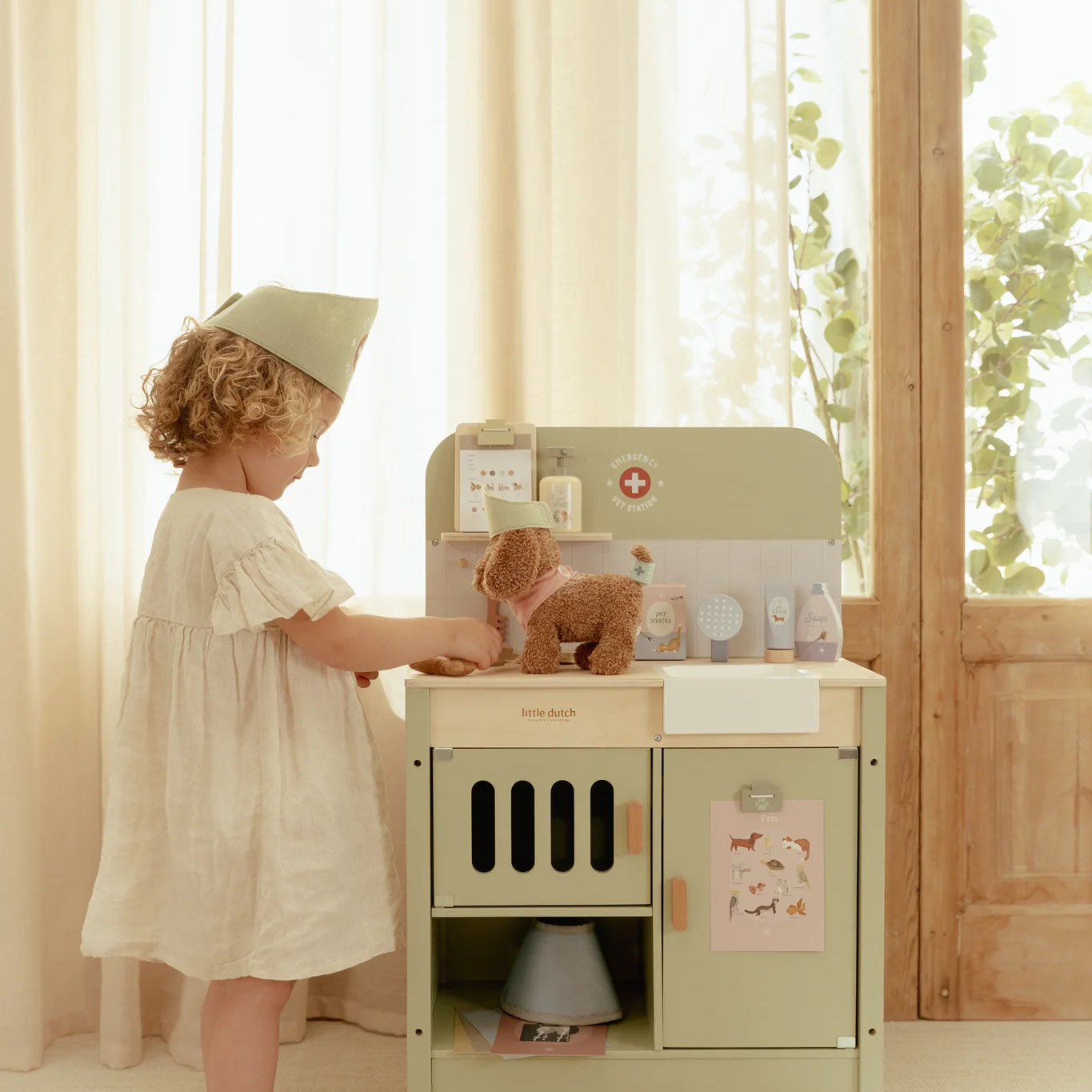
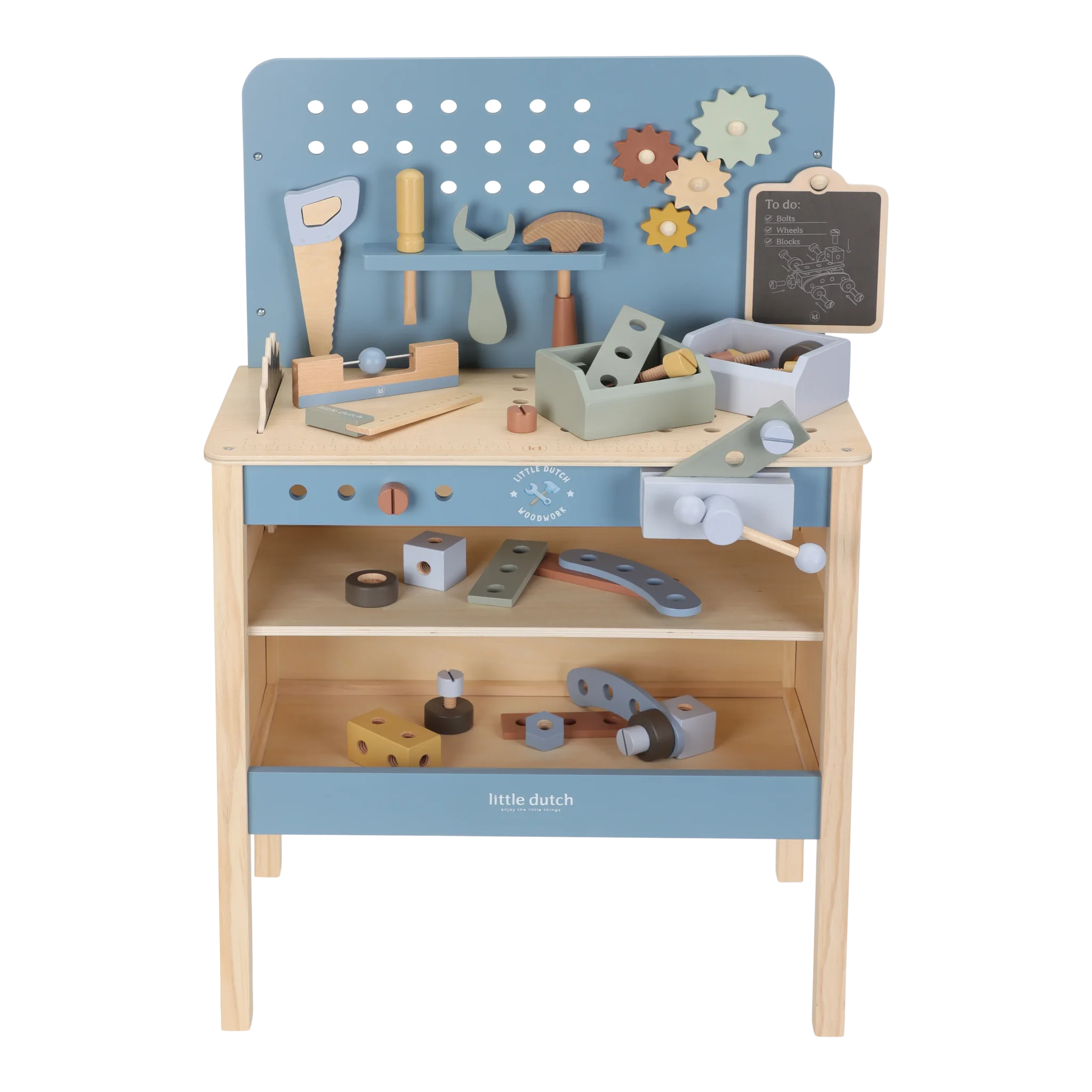
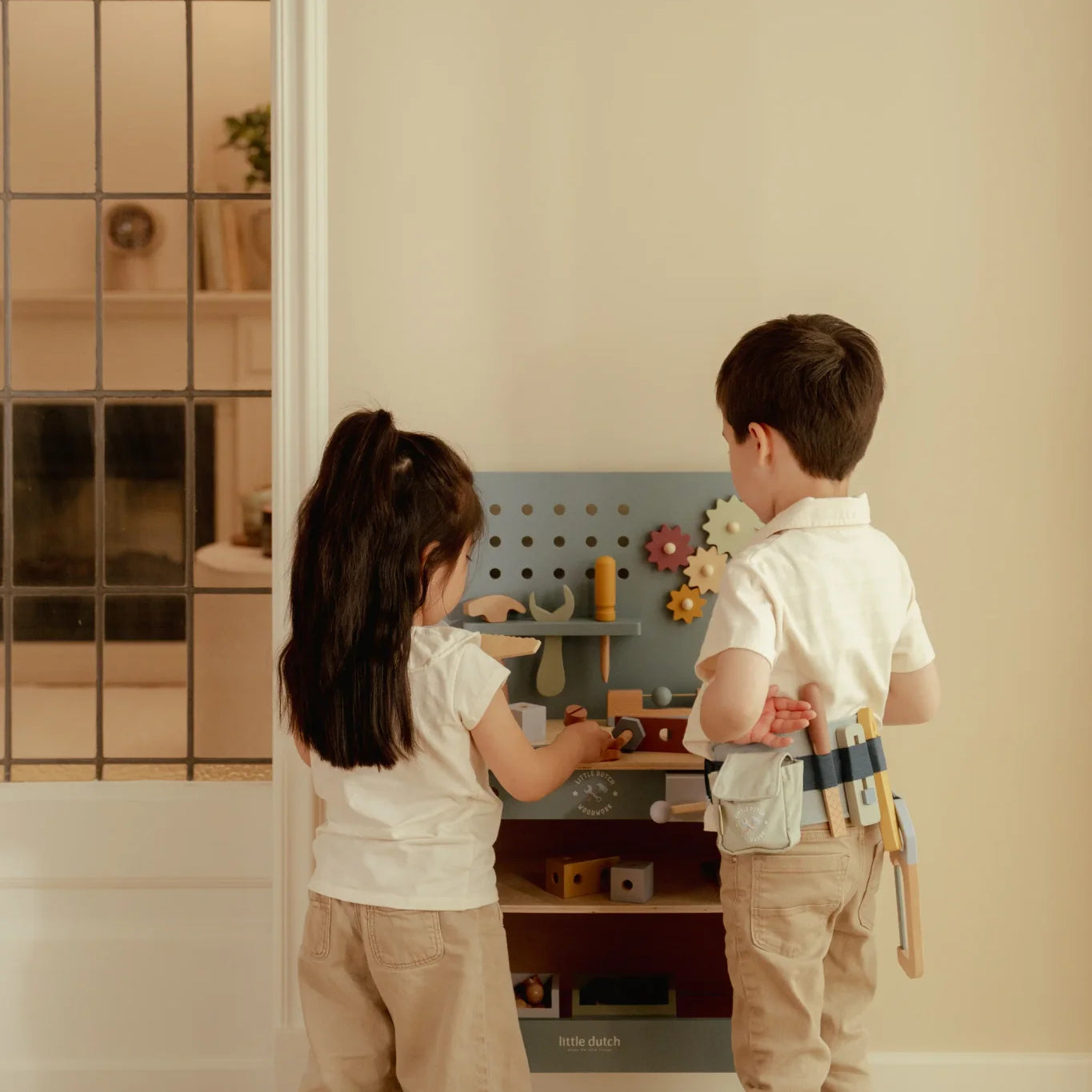
In practice, Montessori education creates meticulously prepared environments designed to promote independence and self-directed exploration. Child-sized furniture, accessible learning materials, and carefully structured spaces enable children to engage with their surroundings autonomously. These purposefully crafted environments allow young learners to choose activities, work at their own pace, and develop crucial life skills without constant adult intervention.

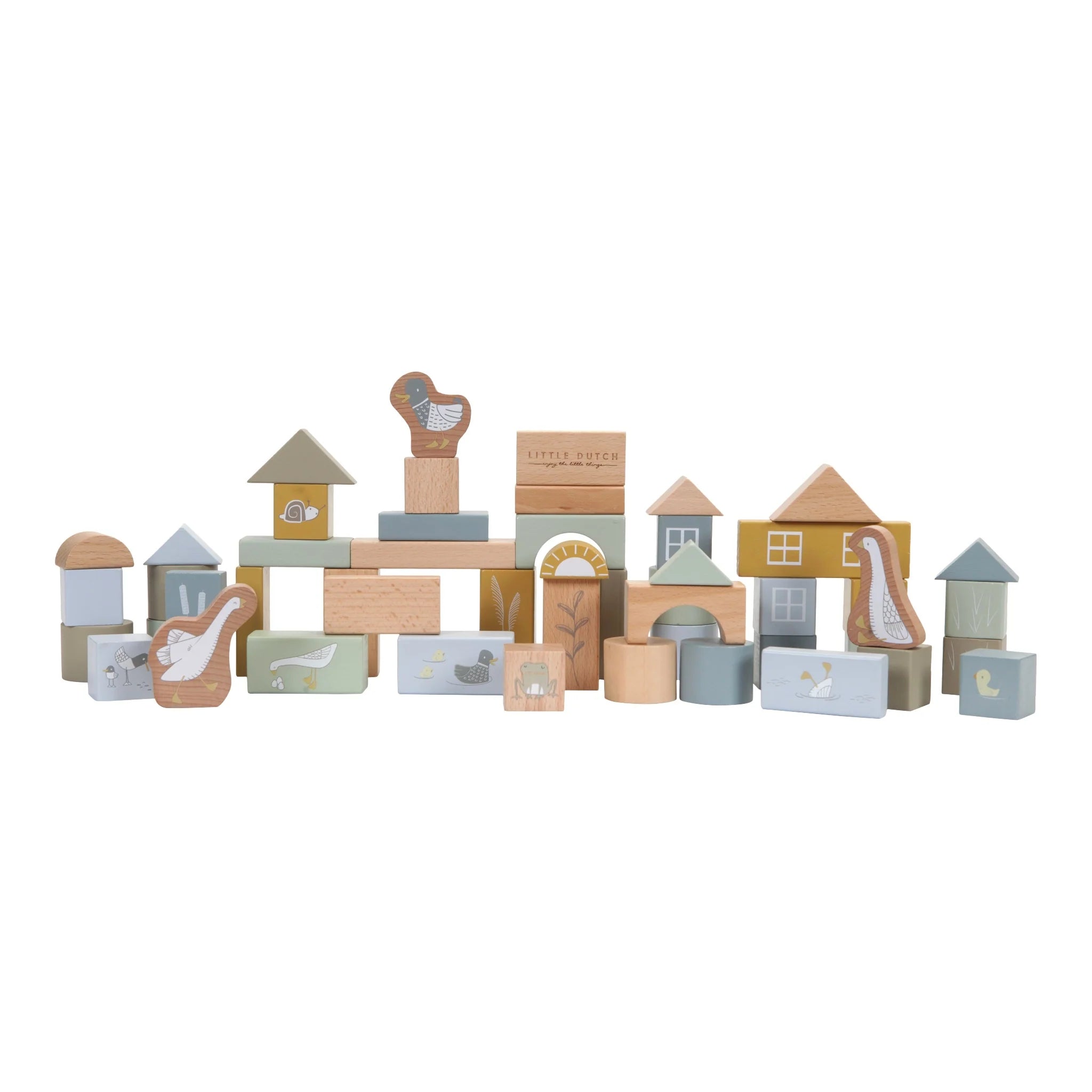
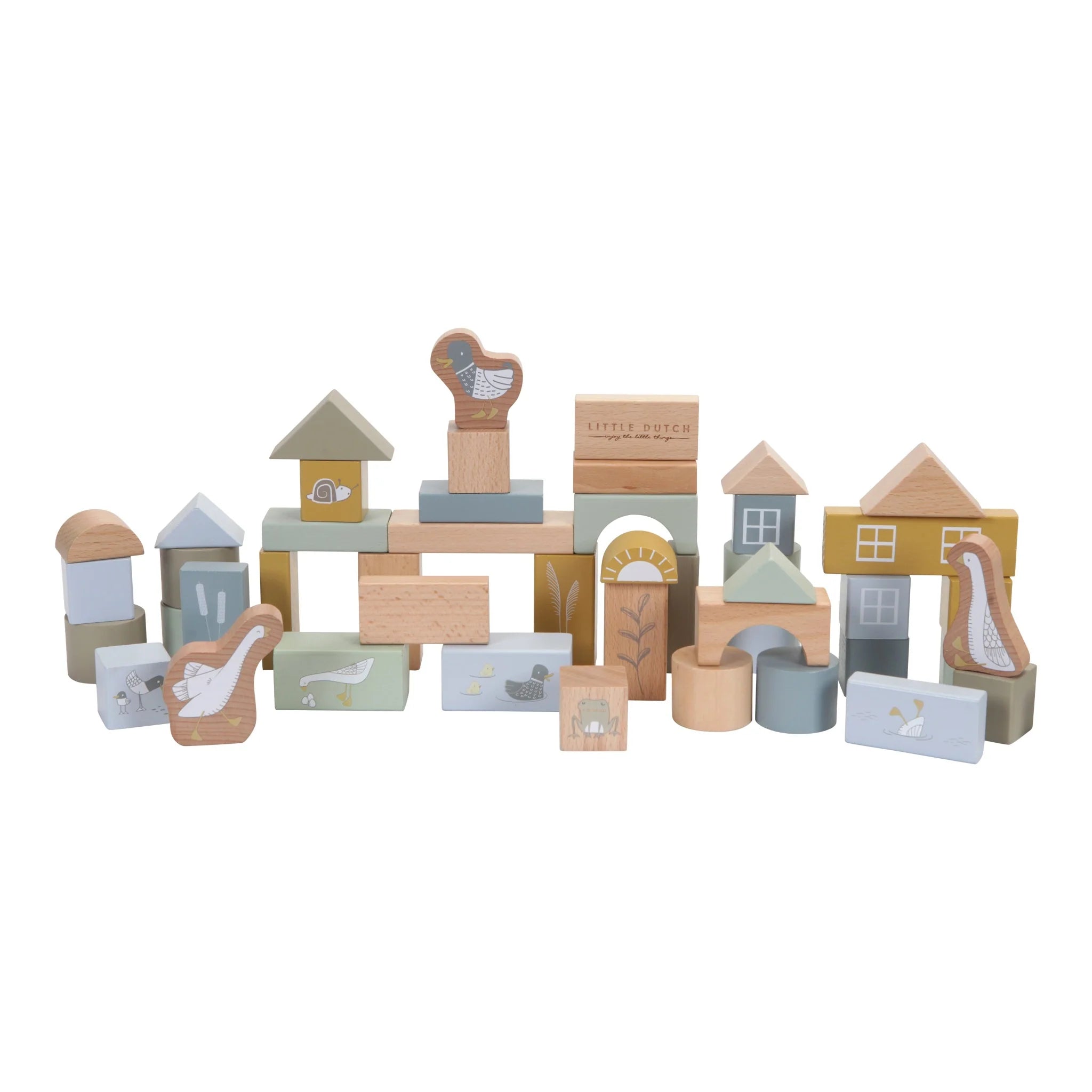
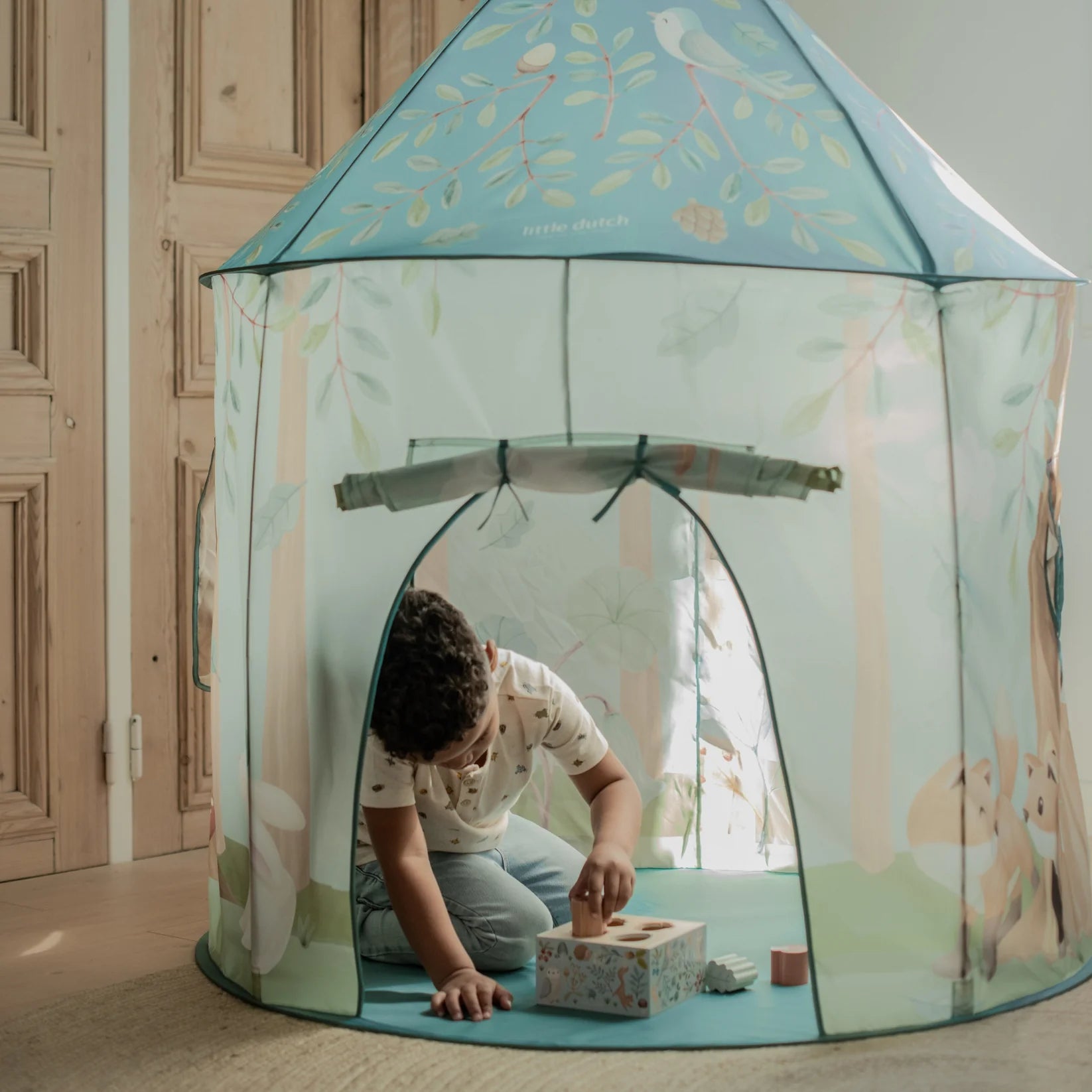
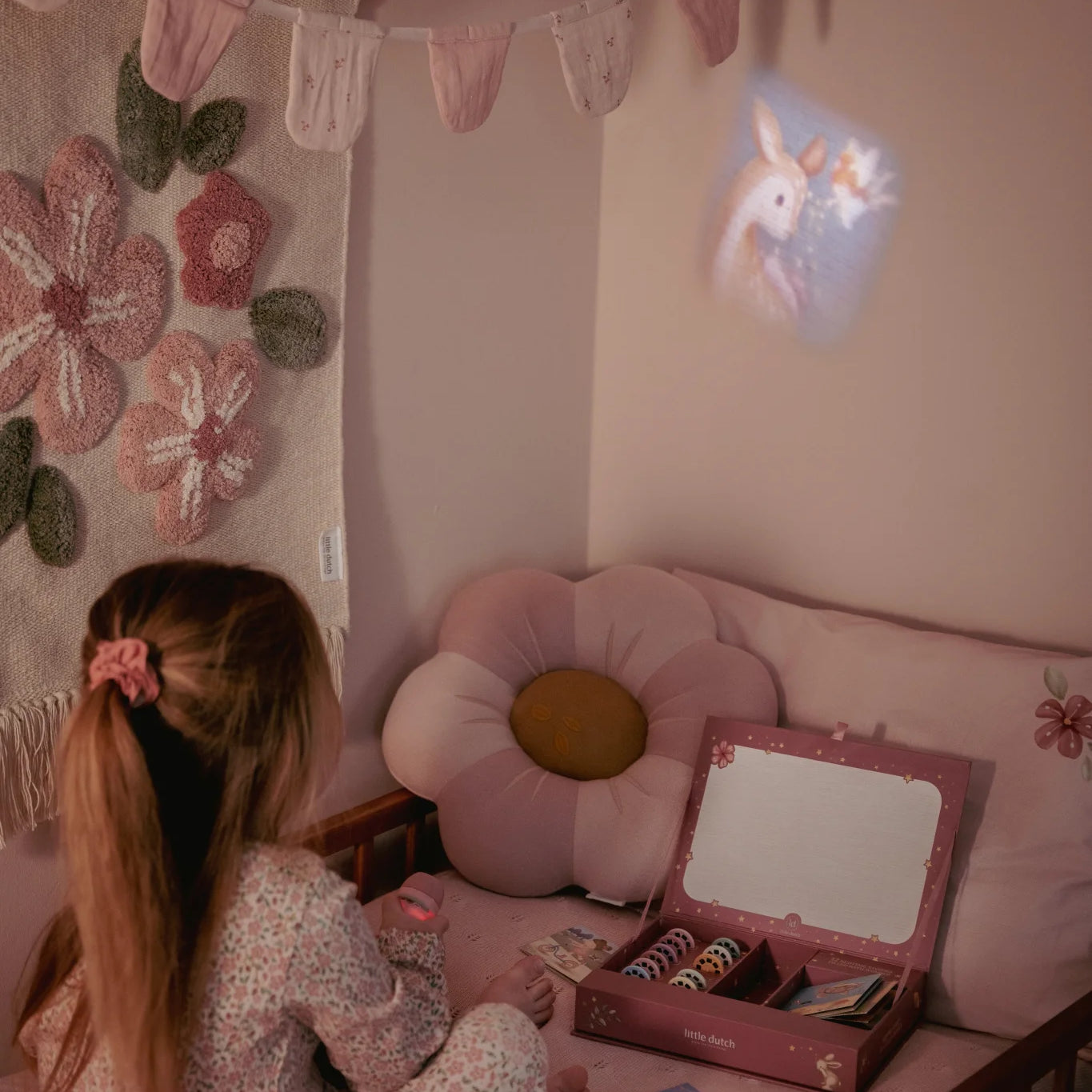
montessori home nursery

Key practical elements of Montessori learning include:

  • Self-directed learning: Children select activities that interest them
  • Mixed-age classrooms: Encouraging peer learning and collaboration
  • Specialised learning materials: Hands-on tools designed for sensory exploration
  • Uninterrupted work periods: Extended time for deep concentration and skill mastery

Beyond physical spaces, Montessori practitioners focus on observing each child’s unique developmental needs, offering gentle guidance rather than rigid instruction. This approach recognises that children are naturally curious and capable of remarkable learning when provided with the right supportive environment. Understanding Montessori Toys can offer parents deeper insights into how specific educational tools support this remarkable learning philosophy.

Core Principles of Montessori Education

Montessori education is fundamentally distinguished by its profound commitment to child-centred learning, where traditional educational approaches are reimagined to honour each child’s intrinsic potential. Foothills Montessori articulates eight core principles that underpin this transformative educational philosophy, highlighting a holistic approach that goes far beyond conventional teaching methods.

At the heart of Montessori principles lies a deep respect for the child’s natural learning trajectory. The methodology recognises that children are not passive recipients of knowledge, but active explorers who learn most effectively through self-directed experiences. Key principles include movement and cognition, understanding that physical interaction is intrinsically linked to intellectual development, and learning in context, which emphasises understanding concepts through real-world connections rather than abstract memorisation.

The core principles of Montessori education encompass several critical elements:

  • Intrinsic motivation: Avoiding external rewards and encouraging genuine curiosity
  • Peer learning: Creating environments where children learn collaboratively
  • Respectful interactions: Teachers act as guides, not authoritarian instructors
  • Prepared environment: Carefully structured spaces that invite exploration

These principles fundamentally challenge traditional educational paradigms by placing the child’s individual developmental journey at the centre. Complete Guide to Montessori Play in the UK provides further insights into how these principles translate into practical, engaging learning experiences that nurture a child’s natural love of discovery.

How Montessori Differs From Traditional Methods

Montessori education fundamentally reimagines the traditional classroom by shifting from a teacher-directed to a child-centred learning approach. Unlike conventional educational models that rely on standardised testing, rote memorisation, and uniform instruction, Montessori methods prioritise individual developmental pathways and intrinsic motivation.

In traditional classrooms, children typically follow a rigid curriculum where teachers lecture and students passively receive information. Montessori environments, by contrast, are dynamic spaces where learners actively explore, choose their activities, and progress at their own pace. This approach recognises that children have natural curiosity and learning capabilities that emerge more powerfully when they’re given freedom to investigate and discover independently.

Key differences between Montessori and traditional methods include:

Infographic comparing Montessori and traditional classroom features

  • Classroom Structure

    • Traditional: Fixed seating, teacher at front
    • Montessori: Flexible spaces, child-sized furniture
  • Learning Approach

    • Traditional: Uniform curriculum
    • Montessori: Individualised learning paths
  • Assessment

    • Traditional: Standardised testing
    • Montessori: Observation-based progress tracking
  • Teacher’s Role

    • Traditional: Primary knowledge source
    • Montessori: Facilitator and guide

7 Top Montessori Toys for Engaging Learning offers insight into how specialised materials support this transformative approach to childhood education, demonstrating the practical implementation of these profound philosophical differences.

Benefits for Child Development and Growth

Montessori education offers a profound approach to child development that extends far beyond traditional academic learning. By prioritising holistic growth, this educational philosophy nurtures children’s cognitive, emotional, social, and physical capabilities through carefully designed experiences that support natural developmental trajectories.

The methodology’s unique strength lies in its ability to cultivate intrinsic motivation and independent learning. Children engaged in Montessori environments develop critical life skills such as concentration, self-discipline, problem-solving, and genuine curiosity. These foundational abilities emerge through hands-on exploration, where learners are encouraged to discover knowledge independently rather than simply absorbing information passively from instructors.

Key developmental benefits include:

  • Cognitive Development

    • Enhanced critical thinking skills
    • Improved spatial reasoning
    • Greater capacity for complex problem-solving
  • Emotional Intelligence

    • Stronger self-awareness
    • Better emotional regulation
    • Increased empathy and social understanding
  • Physical Skills

    • Refined fine and gross motor capabilities
    • Improved hand-eye coordination
    • Enhanced sensory processing
  • Social Competence

    • Collaborative learning abilities
    • Respect for others’ learning processes
    • Strong interpersonal communication

Learning Through Play Explained: Benefits and Approaches provides complementary insights into how purposeful play supports these critical developmental milestones, offering parents a deeper understanding of childhood learning strategies.

Incorporating Montessori at Home or Nursery

Montessori principles can be seamlessly integrated into home and nursery environments, transforming everyday spaces into rich learning landscapes that nurture children’s natural curiosity and developmental potential. Pepper Pot Nursery emphasises creating purposeful spaces that encourage independence, exploration, and sensory-rich experiences that support holistic child development.

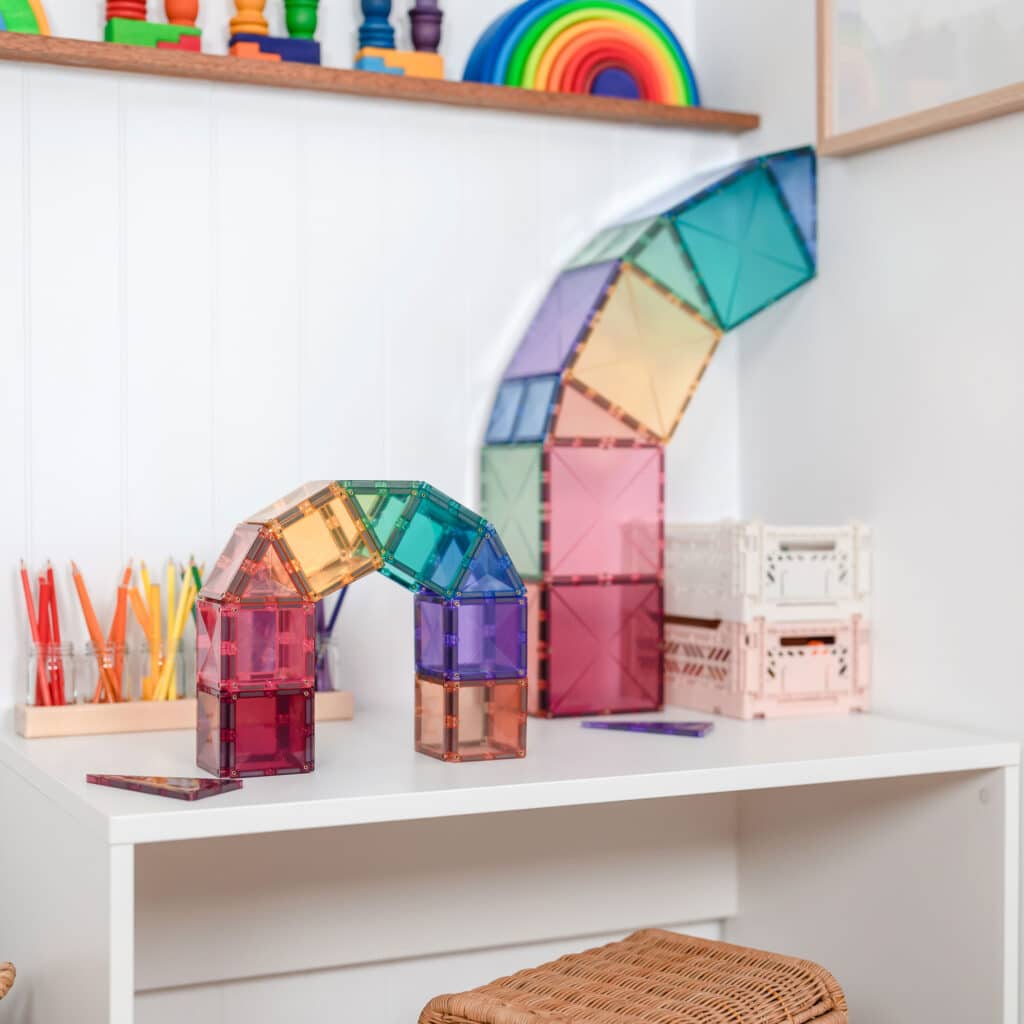
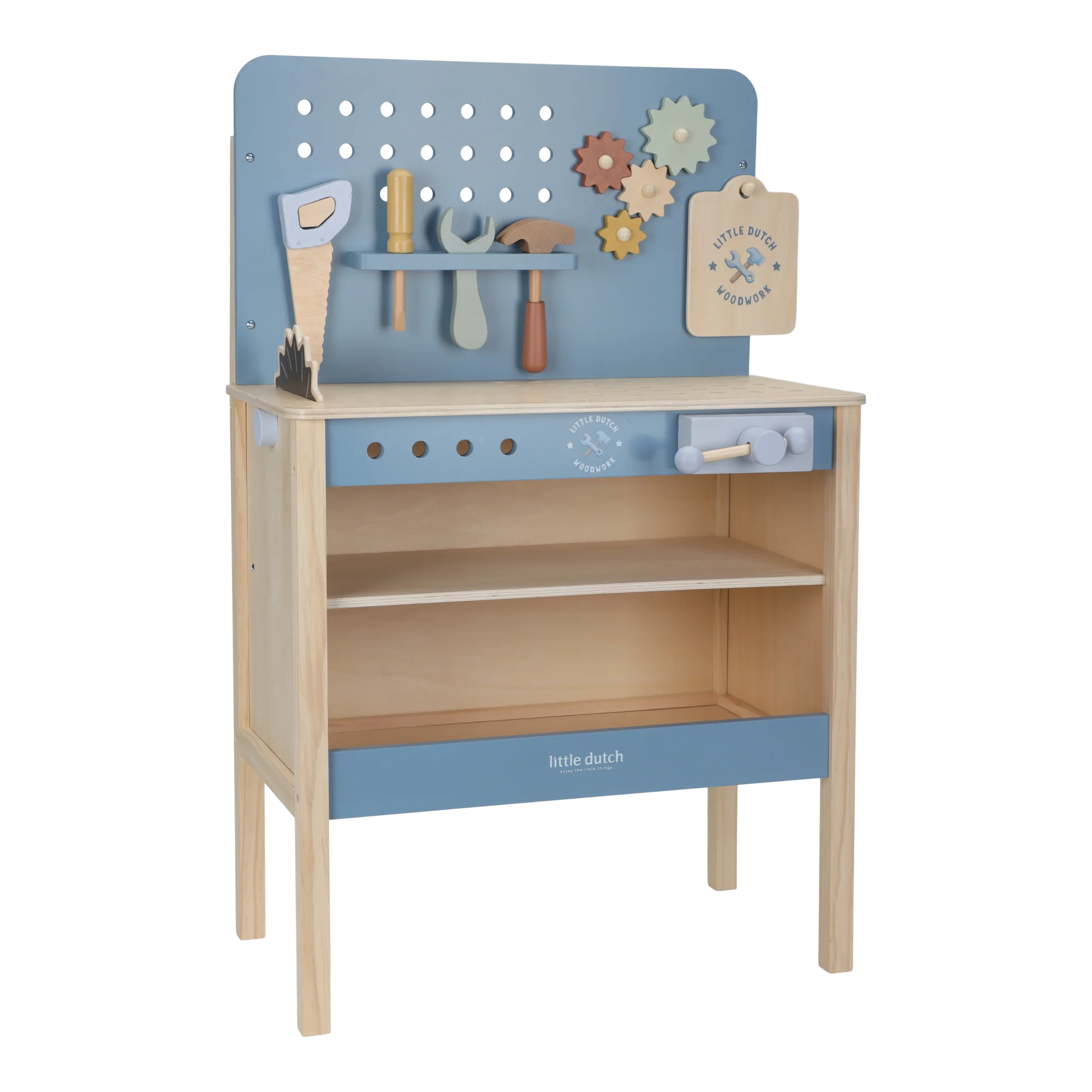
The key to successful Montessori implementation lies in thoughtful environmental design and approach. Parents and caregivers can create child-centred spaces by making simple yet profound adjustments. This includes establishing low, accessible shelving where children can independently select materials, using child-sized furniture that enables autonomy, and designing calm, orderly environments that invite focused exploration and learning.

Practical strategies for incorporating Montessori principles include:

  • Physical Environment

    • Low, open shelving for easy access
    • Child-sized furniture and tools
    • Organised, uncluttered spaces
  • Learning Materials

    • Natural, sensory-rich materials
    • Age-appropriate learning tools
    • Rotate materials to maintain engagement
  • Daily Routines

    • Encourage independence in self-care
    • Allow time for uninterrupted play
    • Model respectful, patient interactions
  • Emotional Support

    • Observe without constant intervention
    • Celebrate effort over perfect results
    • Provide gentle, constructive guidance

7 Essential Items for a Complete Montessori Toy List offers practical insights into selecting materials that truly support this transformative educational approach.

Discover Montessori-Inspired Toys That Nurture Independence and Curiosity

Finding the right tools to support your child’s Montessori learning journey can be overwhelming. This article highlights the importance of child-centred environments that foster self-directed exploration and intrinsic motivation. If you want to provide your little one with meaningful, sensory-rich toys that encourage real development and imaginative play, look no further.

https://learningbugs.co.uk

Explore our carefully curated collection at Learning Bugs, where every toy is chosen to inspire active learning and growth. From specialised Montessori toys to timeless wooden playsets, you can create that perfect prepared environment at home. Start nurturing your child’s natural love for discovery now. Visit 7 Top Montessori Toys for Engaging Learning to find expert picks or check out our full range at Learning Bugs to bring Montessori principles to life today.

Frequently Asked Questions

What are the core principles of Montessori education?

Montessori education is founded on principles such as intrinsic motivation, respect for peer learning, and the importance of a prepared environment that invites exploration. These principles foster child-centred learning and encourage self-directed exploration.

How does Montessori learning differ from traditional education methods?

Montessori learning differs from traditional methods by emphasising child-led activities and individual learning paths instead of standardised curricula and teacher-directed instruction. This approach fosters independence and encourages children to discover knowledge organically.

What are the benefits of Montessori education for child development?

Montessori education supports holistic child development by enhancing cognitive skills, emotional intelligence, physical abilities, and social competence. Children learn critical life skills, such as concentration, problem-solving, and collaboration through hands-on exploration and self-directed learning.

How can Montessori principles be applied at home?

Montessori principles can be applied at home by creating child-centred spaces with accessible materials, promoting independence in daily routines, and encouraging exploration through sensory-rich activities. Thoughtful environmental design fosters autonomy and nurtures children’s natural curiosity.

0 comments

Leave a comment

Please note, comments need to be approved before they are published.