


Role of Toys for Fine Motor Skills: Complete Guide

fine motor skills toys

Over 80 percent of brain growth happens before the age of five, making early childhood a crucial window for developing fine motor skills. Every button fastened, block stacked, or crayon gripped is more than simple play for young children. These small movements shape independence, future writing abilities, and confidence with daily tasks. Understanding what fine motor skills are and how toys support them can help parents give their children a strong start in life.
Table of Contents

Key Takeaways

Point Details
Importance of Fine Motor Skills Fine motor skills are essential for daily tasks and are crucial for children’s development in areas like writing and self-dressing.
Role of Toys Engaging toys significantly enhance fine motor skill development through play, improving hand strength and coordination.
Safe Toy Selection Parents must prioritize safety and age-appropriateness when selecting toys to encourage active learning without risks.
Common Mistakes Avoid selecting toys that are too challenging or simplistic, as well as overlooking safety recommendations and individual child interests.

Defining Fine Motor Skills in Early Childhood

Fine motor skills represent the sophisticated coordination of small muscle groups that enable precise, controlled movements in young children. According to Help for Early Years Providers, these skills involve intricate muscle control in areas like hands, fingers, lips, tongue, and eyes, allowing children to perform fundamental daily tasks.

These delicate skills emerge gradually during early childhood, starting from basic grasping movements in infancy and progressing towards more complex manipulation abilities. Teach Early Years notes that fine motor skills form a critical foundation for numerous activities, including writing, self-dressing, eating, and engaging with educational toys.

Developmentally, fine motor skills are interconnected with broader physical capabilities. Children typically progress through predictable stages of muscle control:

  • Reaching and grasping objects
  • Transferring items between hands
  • Pinching and picking up small objects
  • Manipulating tools like crayons and utensils
  • Developing precise hand-eye coordination

By understanding these developmental milestones, parents can select age-appropriate toys and activities that support fine motor skills development. Early intervention and supportive play environments can significantly enhance a child’s physical and cognitive growth.

The journey of developing fine motor skills is unique for each child, influenced by individual neurological development, practice, and environmental stimulation. Providing engaging, challenging, yet achievable tasks helps children build confidence and competence in these essential physical abilities.

How Toys Enhance Fine Motor Development

Toys are powerful tools for developing fine motor skills, offering children engaging opportunities to strengthen and refine muscle control. As noted by Farringtons, activities like building blocks, solving puzzles, and creating art help children develop hand-eye coordination, dexterity, and muscle strength in their hands and fingers.

Specific types of toys can target different aspects of fine motor development. Construction sets with small pieces encourage precise manipulation, while threading activities and shape sorters challenge children to use pincer grips and rotate objects. These seemingly simple play experiences are actually complex neurological training sessions that gradually improve muscle control and spatial awareness.

The developmental benefits of motor skill toys extend beyond physical capabilities:

  • Improving hand strength and flexibility
  • Enhancing hand-eye coordination
  • Developing spatial reasoning
  • Building problem-solving skills
  • Increasing confidence in physical interactions

Parents can support fine motor development by selecting toys that encourage active learning and exploration. Choosing age-appropriate challenges that are both fun and slightly demanding helps children progressively build their physical capabilities.

Ultimately, the key is creating a playful environment where learning feels natural. By rotating different types of motor skill toys and celebrating small achievements, parents can transform everyday play into a powerful developmental journey.

child hands toys

Types of Toys Supporting Fine Motor Skills

Developing fine motor skills requires strategic play experiences that challenge and engage young children’s hand movements and manipulation abilities. Parents can leverage specific toy types designed to progressively build muscle control, dexterity, and hand-eye coordination through intentional play.

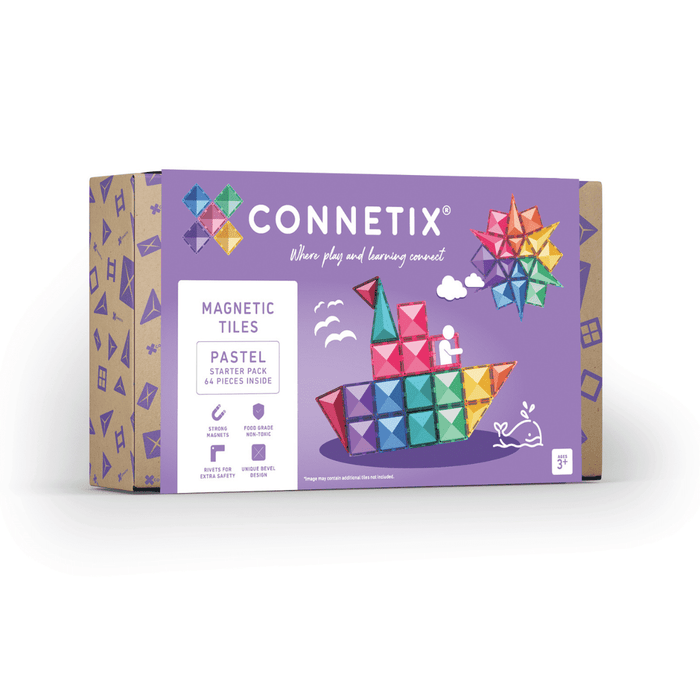
Constructive toys represent a primary category for fine motor skill development. Building blocks, interlocking construction sets, and puzzle pieces require precise movements, pinching, rotating, and careful placement. These toys demand intricate finger movements and spatial reasoning, helping children develop the muscle strength and control needed for future writing and detailed task completion.

Other essential toy categories for fine motor skill enhancement include:

  • Threading and Lacing Toys: Develop hand-eye coordination
  • Shape Sorters: Improve grip strength and object manipulation
  • Playdough and Modelling Clay: Enhance finger flexibility
  • Stringing Beads: Refine pincer grip and precision
  • Stacking Rings: Encourage controlled hand movements
  • Wooden Puzzles: Support problem-solving and spatial skills

Parents seeking comprehensive insights into developmental toys can explore our guide on learning toys for toddlers. Selecting age-appropriate toys that offer gentle challenges helps children progressively build confidence and physical capabilities.

The key is creating a playful, supportive environment where learning feels like an exciting adventure. By rotating different types of fine motor skill toys and celebrating small achievements, parents can transform everyday play into a powerful developmental journey that prepares children for future learning and independence.

Selecting Safe and Age-Appropriate Toys

Choosing the right toys for children involves careful consideration of safety, developmental stage, and individual learning needs. Parents must balance engaging play experiences with potential risks, ensuring that selected toys support skill development while preventing potential hazards.

When selecting toys to support fine motor skills, consider these critical safety and developmental factors. Age recommendations are crucial – toys with small parts are inappropriate for younger children due to choking risks. Look for toys that match your child’s current physical capabilities, offering just enough challenge to encourage growth without causing frustration or potential injury.

Key considerations for safe toy selection include:

  • Material Quality: Non-toxic, durable materials
  • Size Appropriateness: Matching child’s hand size and grip strength
  • Complexity Level: Challenging but not overwhelming
  • Supervision Requirements: Some toys need direct adult monitoring
  • Potential Choking Hazards: Avoiding small, detachable parts for younger children
  • Durability: Resistance to breaking or splintering

Parents seeking comprehensive guidance can explore our guide on choosing age-appropriate toys. Understanding developmental milestones helps create a safe, stimulating play environment that nurtures children’s physical and cognitive growth.

Ultimately, the most effective approach combines careful selection, active supervision, and an understanding of each child’s unique developmental journey. Rotate toys regularly, observe your child’s interactions, and be prepared to adjust your choices as they grow and develop new skills.

Common Mistakes When Choosing Toys

Parents often make well-intentioned but counterproductive decisions when selecting toys for their children’s fine motor skill development. These mistakes can inadvertently hinder a child’s learning progress, potentially creating frustration or missed developmental opportunities.

One of the most prevalent errors is choosing toys that are either too advanced or too simplistic for a child’s current developmental stage. Toys that are overly complex can lead to discouragement, while those that are too basic fail to challenge and stimulate growing motor skills. The sweet spot lies in selecting toys that offer just the right level of difficulty to encourage skill progression and maintain a child’s engagement.

Common toy selection mistakes include:

  • Overlooking Age Recommendations: Ignoring suggested age ranges
  • Prioritizing Aesthetics Over Function: Choosing toys based on appearance rather than developmental value
  • Neglecting Individual Interests: Selecting generic toys instead of matching a child’s specific preferences
  • Buying Toys with Limited Interaction: Choosing passive toys that don’t encourage active manipulation
  • Failing to Rotate Toys: Using the same toys continuously without introducing variety
  • Ignoring Safety Considerations: Selecting toys with potential choking or injury risks

Parents looking for more comprehensive guidance can explore our guide on choosing educational toys. Understanding these potential pitfalls helps create a more intentional and effective approach to supporting children’s fine motor skill development.

Ultimately, successful toy selection requires ongoing observation and flexibility. What works for one child might not work for another, so remain attentive to your child’s unique developmental journey, interests, and learning style. Regular interaction and careful monitoring will help you make the most informed choices for your child’s growth.

Discover Toys That Truly Support Fine Motor Skills Development

Fine motor skills are essential for your child’s independence and confidence. As highlighted in the article, selecting toys that challenge but do not overwhelm is key to nurturing muscle control, hand-eye coordination, and spatial reasoning. At Learning Bugs, we understand these challenges and provide a carefully curated selection of timeless and sensory-stimulating toys designed specifically to support your child’s fine motor growth through meaningful play.

https://learningbugs.co.uk

Explore our range of educational kits and wooden toys that promote active learning and dexterity. Each product is chosen with your child’s developmental milestones in mind, ensuring safety, engagement, and sustained interest. Visit Learning Bugs today to find the perfect toys that transform everyday play into a powerful developmental journey. Don’t wait - empower your child’s abilities with toys that make a real difference now.

Frequently Asked Questions

What are fine motor skills and why are they important for children?

Fine motor skills involve the coordination of small muscle groups that enable precise movements, crucial for tasks like writing, self-dressing, and eating. These skills are foundational for a child’s physical and cognitive development.

How do toys contribute to the development of fine motor skills?

Toys enhance fine motor skills by offering engaging activities that promote muscle control, hand-eye coordination, and dexterity. Activities like building blocks, puzzles, and art projects help children refine their motor abilities through play.

What types of toys are best for enhancing fine motor skills in young children?

Effective toys for fine motor skill development include building blocks, threading and lacing toys, shape sorters, playdough, stringing beads, stacking rings, and wooden puzzles. These toys challenge children’s hand movements and manipulation abilities, promoting skill growth.

How can parents ensure that the toys selected are safe and age-appropriate for their child?

Parents should consider key factors like the material quality, size appropriateness, complexity level, and potential choking hazards when selecting toys. It’s important to choose toys that match the child’s developmental stage and provide the right level of challenge to encourage growth.

Infographic comparing safe toy selection practices and common mistakes for fine motor skills toys

0 comments

Leave a comment

Please note, comments need to be approved before they are published.