

Nearly every british parent knows finding the right toys is more than just a fun decision. The toys toddlers use shape their development in ways that last for years. In fact, research shows the right playthings can boost motor skills, creativity, and even future learning abilities. This guide looks at carefully selected options that turn everyday play into real developmental progress for your little one.
Table of Contents
- 1. Wooden Blocks For Building Fine Motor Skills
- 2. Sensory Play Sets To Stimulate Active Exploration
- 3. Role Play Toys For Imaginative Storytelling
- 4. Ride-On Toys To Encourage Physical Development
- 5. Musical Instruments For Early Sound Recognition
- 6. Educational Puzzles For Problem-Solving Skills
- 7. Eco-Friendly Toys For Mindful, Sustainable Play
Quick Summary
| Key Takeaway | Explanation |
|---|---|
| 1. Wooden blocks enhance motor skills | Engaging toddlers with wooden blocks develops hand-eye coordination, spatial awareness, and muscle control through playful exploration. |
| 2. Sensory play supports cognitive development | Sensory play sets stimulate various senses, promoting cognitive skills, language development, and emotional regulation in children. |
| 3. Role play fosters emotional intelligence | Role play toys allow toddlers to engage in storytelling, helping them understand different perspectives and practice communication skills. |
| 4. Ride-on toys improve physical skills | Ride-on toys enhance balance, coordination, and strength, turning movement into a valuable learning experience for toddlers. |
| 5. Eco-friendly toys teach sustainability | Choosing eco-friendly toys introduces children to responsible consumption and environmental awareness, encouraging mindful play and appreciation for the planet. |
1. Wooden Blocks for Building Fine Motor Skills
Wooden blocks are more than just simple playthings. They are powerful developmental tools that help toddlers enhance their physical skills through playful exploration. When your little one stacks, arranges, and manipulates these classic wooden toys, they are actually engaging in a complex learning process that strengthens crucial motor skills.
Research shows that wooden toys like building blocks require children to use their hands in precise ways, significantly improving hand eye coordination and muscle control Ijirt Research. As toddlers grasp, stack, and balance these blocks, they develop spatial awareness and hand precision.
The beauty of wooden blocks lies in their simplicity. Unlike electronic toys that do the work for children, these tactile playthings demand active engagement. Your toddler must carefully align edges, balance structures, and use gentle pressure to create towers and designs. Each movement helps develop neural pathways and muscle memory.
To maximise learning, try introducing block play with some gentle guidance. Start with larger blocks for easier manipulation, then gradually introduce smaller sizes as your child’s skills improve. You might also create simple challenges like:
- Building a tower taller than themselves
- Matching block colours or sizes
- Creating basic shapes like squares or rectangles
Through consistent play, wooden blocks transform from simple toys into powerful learning instruments that prepare your toddler for future fine motor skill challenges.
As detailed in research from Wood N Bits, engaging with wooden blocks improves children’s precision handling through careful manipulation, making them an essential tool in early childhood development.
2. Sensory Play Sets to Stimulate Active Exploration
Sensory play sets are magical tools that transform ordinary playtime into extraordinary learning experiences for toddlers. These carefully designed collections of interactive objects invite children to explore the world through touch, sound, texture, and movement.
According to research from Caloo, sensory play equipment stimulates multiple senses, promoting critical developmental areas including cognitive skills, language development, motor skills, and emotional regulation. By engaging different sensory pathways, these play sets help children understand their environment in rich and nuanced ways.
Toddlers learn best when they can physically interact with their surroundings. Sensory play sets typically include materials with varied textures like soft fabrics, smooth wooden pieces, bumpy rubber surfaces, and lightweight objects that can be safely manipulated. These diverse components challenge children to explore and make sense of different sensations.
When selecting a sensory play set, look for options that offer multi sensory experiences. Consider sets that include:
- Textured balls with different surface patterns
- Sound making instruments like small bells or rattles
- Objects with varied temperatures and weights
- Items that can be stacked or sorted
Encouraging your toddler to engage with these sets means creating opportunities for open ended play. Watch how they naturally investigate each item turning play into a rich learning adventure. Some children might carefully examine an object texture while others might shake or tap it experimentally.
Through consistent sensory exploration, toddlers develop crucial skills that prepare them for more complex learning challenges. Each interaction builds neural connections and helps them understand cause and effect relationships in their fascinating world.
3. Role Play Toys for Imaginative Storytelling
Role play toys are magical portals that transport toddlers into worlds of boundless imagination. These special playthings allow children to step outside their everyday experiences and explore complex social scenarios through creative storytelling and character interaction.
Imaginative play is more than just fun. It is a critical developmental tool that helps children understand social dynamics, practice communication skills, and process emotions. By embodying different characters like doctors, chefs, or parents, toddlers learn empathy and begin to comprehend various perspectives.
As revealed in research from Lovevery, play can significantly promote oral self expression, particularly through storytelling about characters and scenarios children create. This process helps develop language skills and emotional intelligence.
When selecting role play toys, look for items that encourage open ended storytelling. Ideal sets might include:
- Dress up costumes with multiple character options
- Miniature household or professional tools
- Playsets with different character figurines
- Simple props that spark imaginative scenarios
To support your toddler’s storytelling, participate in their play occasionally. Ask gentle questions about their character’s feelings or actions. This engagement shows you value their creativity and helps them develop more complex narrative skills.
Role play toys are not just playthings. They are developmental instruments that help children make sense of the world around them one imaginative story at a time. By providing these toys, you are giving your toddler a powerful tool for learning and emotional growth.
4. Ride-On Toys to Encourage Physical Development
Ride-on toys are not just sources of pure joy for toddlers they are powerful developmental tools that support physical growth and motor skill advancement. These engaging playthings transform simple movement into an exciting learning experience that helps children build strength coordination and confidence.
Research from Caloo confirms that ride on toys play a crucial role in developing balance coordination and strength during early childhood. When toddlers pedal push or steer these toys they are actually engaging multiple muscle groups and neural pathways simultaneously.
The magic of ride on toys lies in their ability to make physical development feel like pure fun. As your toddler navigates their new wheeled companion they learn complex skills like spatial awareness weight distribution and directional control. These seemingly simple movements are actually intricate lessons in body mechanics and spatial understanding.
When selecting ride on toys consider options that offer:
- Adjustable features to grow with your child
- Stable base for beginner riders
- Lightweight design for easy manoeuvring
- Comfortable seating with good support
Start with models appropriate for your toddler current skill level. Some children might prefer push along models while others are ready for pedal powered adventures. Always supervise and encourage gradual skill building.
By providing thoughtful ride on toys you are not just offering entertainment but investing in your childs physical literacy. Each ride becomes a small journey of discovery helping them understand movement balance and their own growing capabilities.
5. Musical Instruments for Early Sound Recognition
Musical instruments are magical tools that transform sound into a playground of learning for toddlers. These delightful playthings do far more than create noise they are sophisticated developmental instruments that help children explore the fascinating world of auditory experience.
Research from Lego confirms that sensory play involving sound helps children distinguish different sound frequencies and patterns. By engaging with musical toys toddlers begin to develop critical listening skills that form the foundation of language and communication.
When toddlers interact with musical instruments they are not just making sounds they are conducting complex cognitive experiments. Each shake of a tambourine or tap on a drum helps build neural connections related to rhythm coordination and sound discrimination. This process of exploration teaches children about cause and effect relationships in a deeply engaging manner.
Consider introducing musical instruments that are:
- Safe and appropriately sized for small hands
- Made from child friendly materials
- Capable of producing clear distinct sounds
- Varied in texture and sound quality
According to Caloo, incorporating musical instruments into play supports cognitive development by enhancing children ability to recognize and differentiate sounds. This means your toddlers musical moments are actually profound learning experiences.
The key is to make musical exploration fun and pressure free. Let your toddler experiment naturally allowing them to discover sounds at their own pace. Some children might gently tap while others might enthusiastically bang creating their own unique musical journey of discovery.
6. Educational Puzzles for Problem-Solving Skills
Puzzles are like secret training grounds for young minds where complex thinking disguises itself as playful challenge. These remarkable toys transform learning into an exciting adventure that keeps toddlers thoroughly engaged while developing critical cognitive skills.
Research from Pepperpot Nursery confirms that puzzles encourage independent thinking by presenting children with intricate tasks that require strategic problem solving. When your toddler works to fit pieces together they are actually building neural pathways and developing spatial reasoning skills.
The beauty of puzzles lies in their ability to make learning feel like a game. Each time a toddler attempts to match shapes or complete an image they are practicing patience trial and error and logical reasoning. These seemingly simple activities are profound learning experiences that build confidence and resilience.
When selecting puzzles consider options that:
- Match your childs current developmental stage
- Offer varying levels of complexity
- Feature engaging themes or images
- Are made from durable child friendly materials
Start with puzzles that have larger pieces and simple designs. Watch how your toddler approaches the challenge. Some might methodically sort pieces while others might experiment more randomly. Both approaches are valid and contribute to learning.
Remember that the goal is not perfect completion but the process of exploration. Celebrate each attempt and small victory. Your encouragement transforms puzzle time from a potential frustration into an exciting journey of discovery.
7. Eco-Friendly Toys for Mindful, Sustainable Play
Eco-friendly toys represent more than just playthings they are powerful statements about environmental responsibility and conscious parenting. These carefully crafted toys invite children to explore imagination while teaching valuable lessons about sustainability and respect for our planet.
By choosing wooden toys from sustainable sources, parents can introduce responsible consumption and environmental awareness from an early age. Wooden toys crafted from responsibly sourced materials offer durability natural textures and a connection to the natural world that plastic alternatives cannot match.
Sustainable toys teach children that play can be both enjoyable and meaningful. When toddlers interact with eco-friendly toys made from renewable materials like bamboo organic cotton or responsibly harvested wood they learn subtle lessons about resource conservation and thoughtful consumption.
When selecting eco-friendly toys consider options that:
- Are made from natural renewable materials
- Have minimal packaging
- Come from brands with transparent sustainability practices
- Can be recycled or are biodegradable
Look for toys that spark imagination while minimising environmental impact. Wooden building blocks musical instruments and role play sets made from sustainable materials offer rich play experiences that nurture both creativity and environmental consciousness.
Remember that every small choice contributes to a larger impact. By introducing eco-friendly toys you are not just selecting a plaything but teaching your toddler valuable lessons about caring for our shared planet.
The table below summarises the key developmental benefits of various toys for toddlers, focusing on enhancing motor skills, cognitive abilities, and environmental awareness.
| Toy Type | Description & Key Benefits | Developmental Focus |
|---|---|---|
| Wooden Blocks | Simple, tactile toys that require precision handling. | Motor Skills: Hand-eye coordination, spatial awareness |
| Sensory Play Sets | Multi-sensory tools with varied textures and sounds. | Cognitive & Motor Skills: Sensory exploration, language development |
| Role Play Toys | Items that support imaginative storytelling and empathy. | Social Skills: Communication, emotional intelligence |
| Ride-On Toys | Toys that improve strength and coordination. | Physical Development: Balance, coordination |
| Musical Instruments | Sound-producing tools enhancing listening skills. | Sound Recognition: Auditory differentiation |
| Educational Puzzles | Problem-solving challenges that stimulate strategic thinking. | Cognitive Skills: Spatial reasoning, logical thinking |
| Eco-Friendly Toys | Responsibly sourced toys promoting environmental awareness. | Sustainability Awareness: Responsible consumption |
Unlock Your Toddler’s Potential with Timeless Toys
Every parent wants to give their child the best start in life but finding toys that truly support developmental growth while keeping playtime fun can be challenging. This article highlights key challenges such as building fine motor skills, stimulating sensory exploration, fostering imaginative storytelling, and encouraging physical and cognitive development through carefully chosen toys. Learning Bugs specialises in offering high-quality, curated wooden toys, sensory play sets, role play kits, ride-ons, musical instruments, and educational puzzles designed to help toddlers thrive in these exact areas.
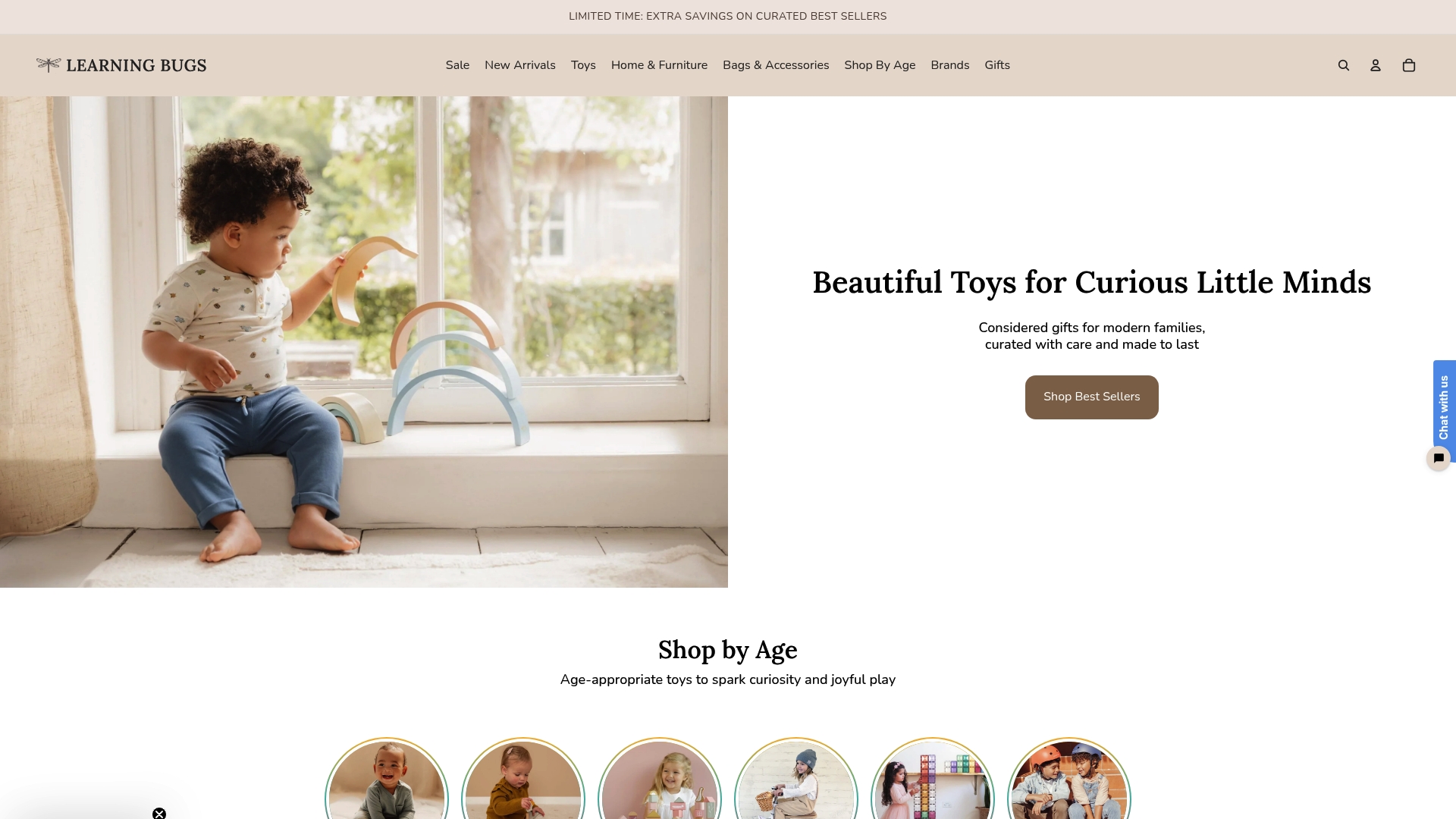
Explore our thoughtfully selected collection at Learning Bugs and discover toys that nurture creativity, concentration, and active learning. Whether you need toys that develop hand-eye coordination or role play sets that spark imagination, you will find products backed by research and crafted for lasting joy. Don’t wait to inspire your toddler’s growth and curiosity the smart way. Visit our store today and choose gifts that make every moment count.
Celebrate meaningful play and start your journey with Learning Bugs now.
Frequently Asked Questions
What are the most beneficial features of wooden blocks for toddlers?
Wooden blocks help toddlers develop fine motor skills, hand-eye coordination, and spatial awareness. Encourage your child to manipulate larger blocks first, and then progress to smaller sizes to enhance their skills over time.
How can sensory play sets enhance my toddler’s learning experience?
Sensory play sets stimulate multiple senses, improving cognitive skills, language development, and emotional regulation. Select sets that include a variety of textures and sounds to provide a well-rounded sensory experience for your child.
What role do role play toys play in a toddler’s development?
Role play toys foster imaginative storytelling and help children understand social dynamics and empathy. Engage with your child by asking questions about their characters, enhancing their narrative skills and emotional intelligence.
How do ride-on toys contribute to my toddler’s physical development?
Ride-on toys aid in developing balance, coordination, and strength. Choose models appropriate for your child’s current skill level and encourage them to play regularly to help build their confidence and motor skills.
Why are musical instruments important for toddlers?
Musical instruments support early sound recognition and cognitive development, helping children distinguish different sounds and patterns. Encourage regular exploration of musical toys to enhance your child’s listening skills and foster creativity.
What should I look for when choosing eco-friendly toys for my toddler?
When selecting eco-friendly toys, focus on items made from natural, renewable materials with minimal packaging. Choose toys that are durable and have transparent sustainability practices, supporting both imaginative play and environmental consciousness.
0 comments