
Why Toys With Purpose: Complete Parenting Guide

purposeful play environment

Not all toys are created equal. Studies show that children exposed to purpose-driven play develop stronger cognitive and social skills compared to those using traditional toys. Thoughtful design in toys does more than entertain—it lays the groundwork for problem-solving, creativity, and even early academic growth. Understanding what makes a toy purposeful helps parents choose playthings that transform everyday fun into opportunities for real learning and meaningful development.

Table of Contents

Key Takeaways

Point Details
Purposeful Toys Toys designed with intention can significantly enhance a child’s holistic development across various stages.
Developmental Alignment Selecting toys that match a child’s developmental stage is crucial for effective skill building and engagement.
Safety and Ethics Parents should prioritize toys made from non-toxic materials and those that reflect diverse abilities to ensure a safe, inclusive play environment.
Transforming Play Choosing the right toys can turn playtime into meaningful learning experiences that nurture creativity and critical thinking.

Defining Toys With Purpose And Core Values

Toys with purpose represent more than simple playthings - they are strategic tools designed to support a child’s holistic development. Unlike traditional toys that merely entertain, these carefully crafted play objects serve multiple developmental functions, transforming playtime into a rich learning experience.

According to Wikipedia, educational toys are specifically “designed to stimulate learning by encouraging children to develop specific skills or understand particular subjects.” These purposeful toys often model adult activities, providing a foundational framework for cognitive and social growth. By mimicking real-world scenarios, they help children explore complex concepts through engaging, interactive play.

The core values of purpose-driven toys centre around several key principles:

  • Intentional Design: Every element is thoughtfully created to support specific developmental milestones
  • Skill Building: Toys that challenge children to learn and grow in structured, enjoyable ways
  • Cognitive Stimulation: Encouraging problem-solving, creativity, and critical thinking
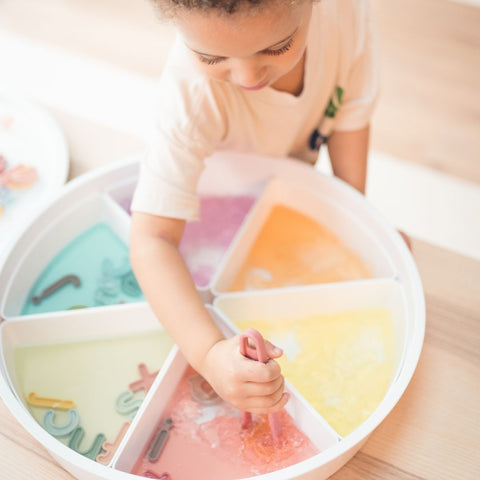
  • Sensory Engagement: Providing multi-dimensional experiences that activate different learning pathways

As research from Wikipedia suggests, toys with high “play value” are compelling and encourage sustained involvement. They go beyond mere entertainment, transforming into powerful instruments that foster creativity and facilitate learning through play.

Learn more about the role of toys in development, and discover how thoughtfully selected toys can become catalysts for your child’s growth and understanding.

Developmental Benefits Across Childhood Stages

Children’s developmental journey is a complex, dynamic process where purposeful toys play a critical role in supporting growth across different stages. Each childhood phase presents unique learning opportunities, and strategically selected toys can dramatically enhance cognitive, social, and emotional development.

According to the UK Government’s Development Matters framework, personal, social, and emotional development are foundational during early childhood. Strong relationships and supportive environments are crucial for cognitive growth, with purposeful toys serving as powerful tools to facilitate these developmental milestones. Staged learning becomes essential, where toys are carefully matched to a child’s current developmental capabilities.

The developmental benefits of purpose-driven toys vary across different childhood stages:

  • Infancy (0-12 months): Sensory exploration, motor skill development, cause-and-effect understanding
  • Toddler Stage (1-3 years): Language development, basic problem-solving, emotional regulation
  • Preschool Stage (3-5 years): Imaginative play, social interaction skills, early mathematical and literacy foundations
  • Early School Years (5-7 years): Strategic thinking, complex problem-solving, collaborative play

Research from the University of Leeds reinforces the long-term impact of early educational experiences, indicating that children exposed to purposeful play demonstrate enhanced vocabulary, improved social skills, and better school readiness. By understanding how learning toys support child growth, parents can make informed choices that nurture their child’s developmental potential.

Types Of Purposeful Toys And Their Impact

Purposeful toys are far more than simple playthings - they are carefully designed instruments of learning and development, each type strategically crafted to support specific developmental outcomes. Understanding the nuanced categories of these intentional play tools can help parents make informed choices that genuinely support their child’s growth.

According to Wikipedia, educational toys like puzzles and building blocks are specifically “designed to develop specific skills like problem-solving and fine motor abilities”. These toys transform play into an engaging learning experience, allowing children to acquire critical skills through enjoyable, hands-on interaction.

Infographic comparing traditional toys versus purposeful toys using icons and a skills chart The deliberate design of such toys means each interaction becomes an opportunity for cognitive and physical development.

Key types of purposeful toys include:

  • Cognitive Development Toys: Puzzles, strategy games, memory challenges
  • Motor Skill Toys: Building blocks, construction sets, threading activities
  • Sensory Exploration Toys: Textured objects, musical instruments, light-up interactive toys
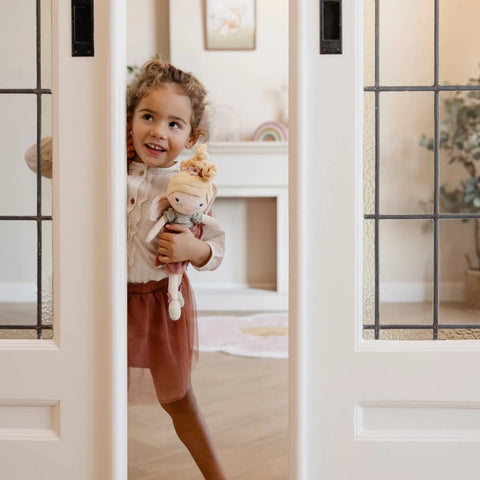
  • Social-Emotional Learning Toys: Dolls, role-play sets, cooperative games
  • STEM Learning Toys: Coding kits, science experiment sets, mathematical manipulatives

Moreover, Wikipedia’s ToyLikeMe initiative highlights the importance of inclusive toy design, emphasizing toys that represent diverse abilities and experiences. By exploring the essential guide to educational toys, parents can discover how thoughtfully selected toys can create meaningful, supportive play experiences that nurture every aspect of a child’s development.

Choosing The Right Toy For Your Child

Selecting the perfect toy is an art that requires careful consideration of your child’s unique developmental stage, interests, and individual learning style. The right toy can spark imagination, support skill development, and create moments of joyful discovery that extend far beyond simple play.

According to insights from St Martins, understanding a child’s developmental stage is crucial when selecting toys. Toddlers, for instance, benefit from toys that enhance language skills and problem-solving abilities, while preschoolers thrive with toys that encourage cooperative play and cognitive development. This nuanced approach transforms toy selection from a random purchase to a strategic developmental investment.

Key considerations when choosing the right toy include:

  • Developmental Appropriateness: Matches the child’s current cognitive and physical capabilities
  • Engagement Level: Offers sufficient challenge without causing frustration
  • Versatility: Allows multiple ways of play and learning
  • Safety: Age-appropriate and constructed with high-quality, non-toxic materials
  • Interest Alignment: Connects with the child’s current passions and curiosities

By understanding how to choose educational toys for meaningful child growth, parents can transform playtime into a powerful learning experience.

selecting educational toys Remember, the most valuable toys are those that grow with your child, adapting to their expanding skills and imagination.

Safety, Sustainability, And Ethical Considerations

Parents today face a complex landscape of choices when selecting toys, where safety, sustainability, and ethical representation are just as important as play value. Modern toy selection goes far beyond simple entertainment, demanding a holistic approach that considers environmental impact, child development, and inclusive representation.

The UK Government’s guidance emphasizes providing children with high-quality experiences, which includes ensuring toys meet rigorous safety standards and support sustainable practices. This means looking beyond surface-level attributes and considering the deeper implications of each toy’s design, materials, and manufacturing process.

Key ethical and safety considerations include:

  • Material Safety: Non-toxic, BPA-free materials
  • Manufacturing Transparency: Ethically produced with fair labour practices
  • Environmental Impact: Sustainable, recyclable, or biodegradable materials
  • Inclusive Design: Representing diverse abilities, backgrounds, and experiences
  • Age-Appropriate Complexity: Matching developmental stages and safety requirements

Wikipedia’s ToyLikeMe initiative powerfully highlights the importance of representation, advocating for toys that reflect all children’s experiences and promote positive self-image. By exploring comprehensive guides on choosing ethical toys, parents can make informed decisions that support not just their child’s play, but their holistic development and understanding of the world.

Discover Toys That Truly Support Your Child’s Growth

Choosing toys with a clear purpose is a challenge many parents face as they seek playthings that do more than just entertain. This guide highlights the importance of toys designed with intentional skill-building, cognitive stimulation and sensory engagement. You want toys that match your child’s developmental stage while encouraging imagination and growth. At Learning Bugs, we understand these needs and offer a thoughtfully curated range of wooden toys, role play sets and educational kits that inspire active and meaningful play.

https://learningbugs.co.uk

Explore our carefully selected collection at Learning Bugs and find toys that grow with your child’s abilities and interests. Whether you want sensory-stimulating ride-ons or engaging STEM kits, our products align with the values of purposeful play outlined in the guide. Visit Learning Bugs shop today to transform everyday play into a powerful developmental journey and give your child the best start possible.

Frequently Asked Questions

What are toys with purpose?

Toys with purpose are strategically designed playthings that support a child’s holistic development, going beyond mere entertainment to facilitate learning and skill-building through engaging play.

How do I choose the right educational toy for my child?

To choose the right educational toy, consider your child’s developmental stage, interests, and learning style. Select toys that match their capabilities, provide adequate challenge, and encourage imagination and skill development.

What are the benefits of purposeful toys for different developmental stages?

Purposeful toys enhance cognitive, social, and emotional development at various stages. Infants benefit from sensory exploration, toddlers from language skills, preschoolers from imaginative play, and early school-aged children from complex problem-solving and cooperative play.

Why are safety and sustainability important in toy selection?

Safety and sustainability are crucial in toy selection to ensure that toys are made from non-toxic materials and ethically produced. Choosing sustainable toys also supports environmental responsibility, contributing to a healthier planet for children and future generations.

0 comments

Leave a comment

Please note, comments need to be approved before they are published.