

Most parents are surprised to learn that over 80 percent of british families now seek expert advice when choosing sensory toys for their children. With so many options to consider, understanding your child’s unique needs can feel confusing and stressful. This guide breaks down proven strategies to help british parents confidently pick safe, engaging toys that support every stage of development while respecting the highest standards of quality and safety.
Table of Contents
- Étape 1: Assess Your Child’s Sensory Preferences And Needs
- Étape 2: Identify Age-Appropriate And Safe Toy Options
- Étape 3: Compare Materials For Sensory And Eco-Friendly Benefits
- Étape 4: Match Toys To Developmental Goals And Interests
- Étape 5: Verify Product Quality And Trusted Brand Credentials
Quick Summary
| Key Insight | Explanation |
|---|---|
| 1. Understand sensory preferences | Knowing your child’s sensory interests helps you select toys that enhance their engagement and development effectively. |
| 2. Ensure age-appropriate toy selection | Always check age recommendations on toys to match your child’s developmental stage while ensuring safety compliance. |
| 3. Choose safe, eco-friendly materials | Opt for non-toxic, washable materials to provide both sensory benefits and environmental sustainability in toy choices. |
| 4. Align toys with developmental goals | Select toys that challenge your child’s current abilities and foster skills like problem-solving, motor skills, and social learning. |
| 5. Verify product quality and brand trust | Research the toy’s safety certifications and brand credentials to ensure a higher quality and enriching play experience. |
Étape 1: Assess your child’s sensory preferences and needs
Understanding your child’s unique sensory profile is essential for selecting the right developmental toys. Every child experiences sensory input differently, so identifying their specific preferences helps you choose toys that will truly engage and support their growth. Somerset County Council’s sensory processing resources offer valuable guidance for parents navigating this important assessment.
Start by observing your child’s reactions to different sensory stimuli. Notice how they respond to textures, sounds, movements, and visual experiences. Some children might seek out intense sensory input, craving deep pressure or loud noises, while others might feel overwhelmed by the same stimuli. Pay attention to their comfort levels when touching various materials, their response to background sounds, and their physical interactions with objects. Look for patterns like whether they prefer soft fabrics, enjoy spinning toys, react strongly to specific colours, or demonstrate a need for repetitive movements.
A helpful strategy is creating a simple sensory preference journal to track your observations. Note down specific reactions, preferences, and any moments of particular excitement or discomfort. This personalised record will become an invaluable tool in selecting sensory toys that match your child’s unique neurological landscape, ensuring playtime is both enjoyable and developmentally supportive.
Étape 2: Identify age-appropriate and safe toy options
Choosing the right toys involves more than just selecting something colourful or trendy. You want to ensure that the toys you select are not only engaging but also developmentally appropriate and compliant with safety regulations. Safety guidelines from PDNet emphasise the critical importance of checking age warning symbols and ensuring toys meet stringent testing standards.
When identifying suitable toys, start by carefully examining the recommended age range printed on packaging. These guidelines are not arbitrary suggestions but carefully considered recommendations based on a child’s cognitive and physical development stages. Look for toys that challenge your child slightly beyond their current abilities while remaining safe and achievable. Consider factors like small parts that might pose choking risks for younger children, complexity of mechanisms for different developmental stages, and the potential for sensory stimulation or skill building.
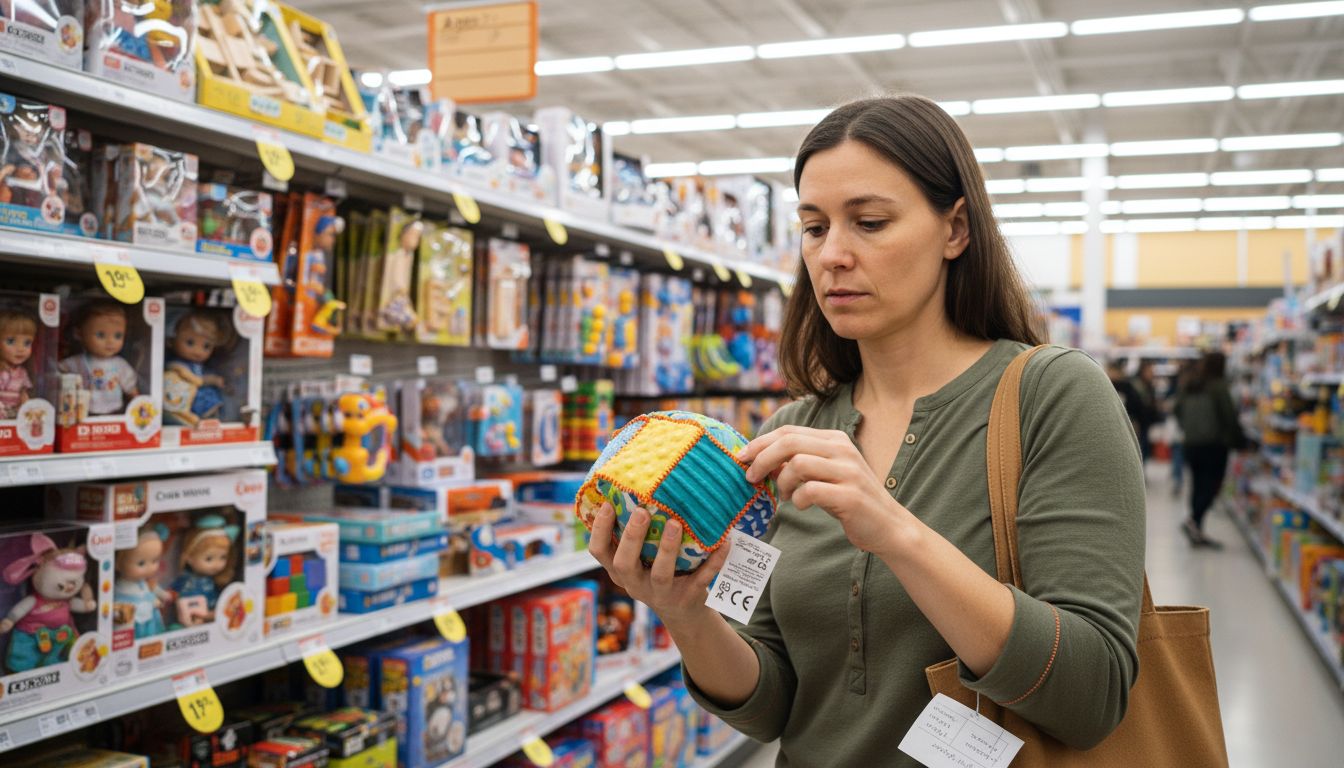
A practical approach is creating a simple checklist when toy shopping. Check for rounded edges, sturdy construction, non toxic materials, and age appropriate complexity. Pay attention to warning labels that highlight potential risks or specify recommended ages. Remember that a toy’s value lies not just in its entertainment potential but in its capacity to support your child’s growth and learning journey.
Étape 3: Compare materials for sensory and eco-friendly benefits
Selecting the right materials for sensory toys involves more than just aesthetic considerations. The Essential Guide to Why Sensory Toys Matter highlights the critical importance of material selection for developmental play. PDNet recommends carefully evaluating materials to ensure safety and hygiene, with specific guidance on choosing washable and sterilisable toys that support children’s sensory exploration.
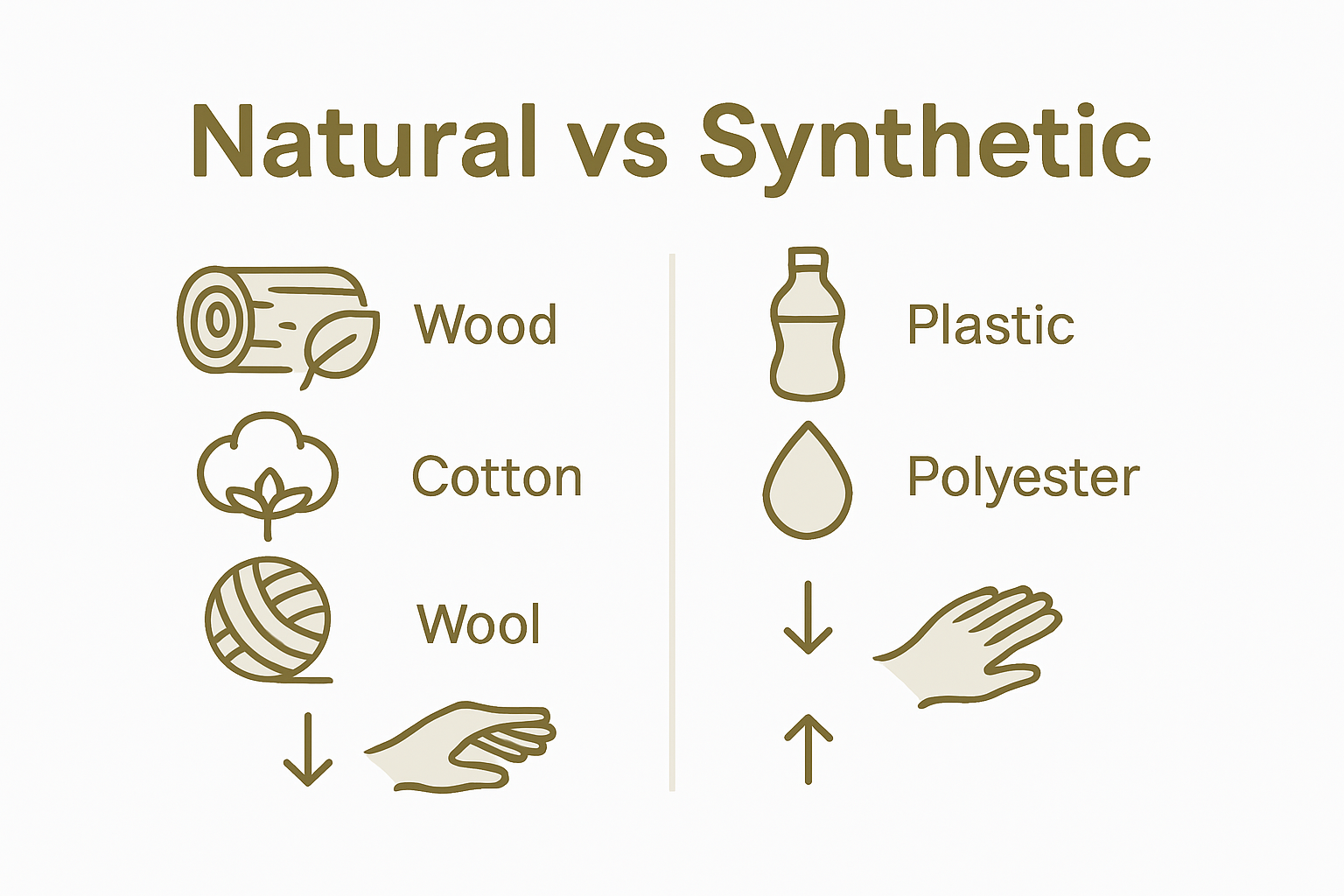
When comparing materials, consider their sensory properties and environmental impact. Natural materials like wood, organic cotton, and bamboo offer tactile richness while being more sustainable. Sensory equipment experts advise selecting durable materials that do not easily break or release harmful substances, ensuring both safety and sensory engagement. Look for toys with varied textures smooth silicone, rough hemp, soft fleece that provide diverse sensory experiences while minimising environmental footprint.
A practical approach is creating a material checklist. Prioritise non toxic materials machine washable fabrics, sustainably sourced wood, recyclable plastics, and toys free from harmful chemicals. Consider the entire lifecycle of the toy from production to disposal. Remember that the best sensory toys balance developmental benefits, safety, and environmental responsibility providing enriching play experiences that nurture both your child and the planet.
Étape 4: Match toys to developmental goals and interests
Selecting toys that align with your child’s developmental journey requires thoughtful consideration. The Complete Guide to the Role of Toys in Development provides invaluable insights into how play supports growth. Somerset County Council offers sensory processing checklists that help parents strategically match toys to specific developmental needs.
Each developmental stage demands unique play experiences that challenge and nurture different skills. For younger children focus on toys that support fine motor skills like stacking blocks or threading beads. As children grow older introduce more complex toys that encourage problem solving spatial reasoning and imaginative play. Consider toys that target specific areas such as puzzles for cognitive development musical instruments for auditory skills building blocks for spatial awareness and role play sets for social emotional learning.
A practical approach is creating a personalised developmental toy map. Track your child’s current abilities and emerging interests then select toys that offer just enough challenge to stimulate growth without causing frustration. Remember that the best toys are not just passive objects but active tools that invite exploration curiosity and joyful learning experiences that adapt alongside your child’s remarkable developmental journey.
Étape 5: Verify product quality and trusted brand credentials
Navigating the world of toy shopping requires a keen eye for quality and safety standards. How to Choose Educational Toys for Meaningful Child Growth provides crucial insights into selecting reliable products. PDNet recommends looking for specific quality markers like the Lion Mark from the British Toy and Hobby Association, which signals a commitment to producing safe and high quality toys.
Quality verification involves several key steps. Start by examining the packaging for official safety certifications like the CE Mark required for toys sold in Europe. Check for clear age recommendations, safety warnings, and manufacturer details. Research the brand reputation by reading customer reviews checking product testing information and understanding the materials used. Look for toys that have undergone rigorous safety testing transparent manufacturing processes and demonstrate a commitment to child development.
Trust your parental instincts when evaluating toy quality. Inspect potential purchases for sturdy construction smooth edges no small detachable parts and materials that can withstand enthusiastic play. Remember that a high quality toy is an investment in your child’s learning and development a tool that supports growth creativity and joyful exploration. A little extra time spent researching can ensure you select toys that are not just entertaining but truly beneficial for your child’s developmental journey.
Discover Sensory Toys That Truly Match Your Child’s Unique Needs
Choosing sensory toys that genuinely support your child’s development can feel overwhelming. The article highlights important steps like assessing sensory preferences, finding safe and age-appropriate toys, and considering materials that are both engaging and eco-friendly. At Learning Bugs, we understand these challenges and offer a carefully curated selection of timeless, quality sensory-stimulating toys designed to nurture imagination, active play and developmental growth.
Explore our extensive collection today at Learning Bugs where you can find detailed descriptions to help you choose toys that align perfectly with your child’s developmental goals and sensory profile. Take the next step in providing joyful and meaningful play experiences by visiting our site now and selecting toys that support your child’s happiness and growth.
Frequently Asked Questions
How can I assess my child’s sensory preferences for selecting toys?
Understanding your child’s sensory preferences involves observing their reactions to different stimuli, such as textures, sounds, and visual elements. Track their responses in a sensory preference journal to help identify toys that will engage and support their growth effectively.
What criteria should I consider to ensure that toys are age-appropriate and safe?
When selecting toys, check the recommended age range on packaging and ensure compliance with safety regulations. Create a checklist that includes aspects like sturdy construction, non-toxic materials, and the absence of small parts to avoid choking hazards for younger children.
How do I choose sensory toys that are environmentally friendly?
Select toys made from natural materials like wood and organic cotton to reduce environmental impact while providing diverse sensory experiences. Prioritise toys that are machine washable, made from sustainably sourced materials, and free from harmful chemicals to ensure safety and eco-friendliness.
How can I match toys to my child’s developmental goals?
Identify your child’s current abilities and interests, then choose toys that offer just enough challenge to stimulate their growth. For example, select puzzles for cognitive development or musical instruments for enhancing auditory skills, ensuring the toys encourage exploration and imaginative play.
What steps should I take to verify the quality of sensory toys?
To ensure quality, examine the toy’s packaging for safety certifications and look for clear age recommendations and safety warnings. Inspect the toys for sturdy construction, smooth edges, and durable materials to guarantee they can withstand active play and support your child’s development effectively.
How can sensory toys enhance my child’s playtime experiences?
Sensory toys engage a child’s senses, promoting both playfulness and developmental learning. By choosing toys that align with their sensory preferences, you can create enriching play experiences that nurture their curiosity and stimulate their growth, leading to more joyful and engaged playtime.
Recommended
- The Essential Guide to Why Sensory Toys Matter – Learning Bugs
- How to Pick Sensory Toys for Children with Confidence – Learning Bugs
- Why Gift Learning Toys: A Complete Parent’s Guide – Learning Bugs
- 7 Best Learning Toys for Toddlers to Boost Development – Learning Bugs
- Making Learning Fun: Engaging Activities for Your Kids – The Zoofamily