

Over 80 percent of toys bought from unverified sellers fail crucial EU safety standards, raising real concerns for british families. With so many choices, picking the right toys for children means looking beyond flashy packaging or low prices. This article unpacks why brand reputation matters in the world of children’s toys, helping parents understand how trusted names influence safety, quality, and the developmental value of every playtime moment.
Table of Contents
- Defining Brand Importance In Children’s Toys
- How Toy Brands Influence Safety Standards
- Quality And Durability Across Leading Brands
- Educational Value And Child Development Impact
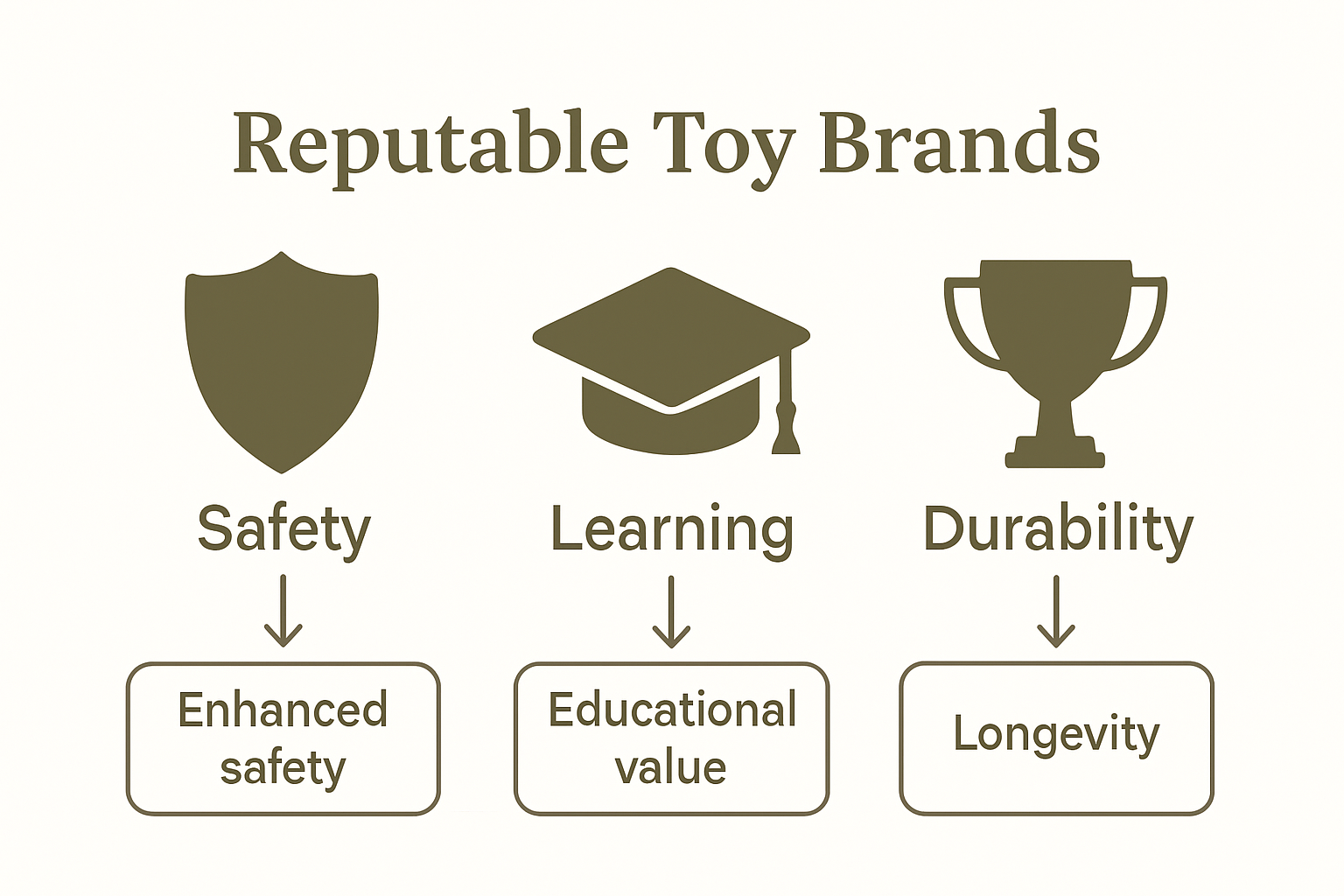
- Trust Signals: Recognising Reputable Toy Brands
- Common Pitfalls When Overlooking Brand Choice
Key Takeaways
| Point | Details |
|---|---|
| Brand Reputation Matters | Parents should choose toys from reputable brands to ensure quality, safety, and developmental benefits for their children. |
| Safety Standards Are Critical | Established brands adhere to strict safety protocols, reducing the risk of hazards associated with lower-quality or counterfeit toys. |
| Invest in Developmental Value | Quality toys support children’s cognitive, motor, and emotional development, transforming them into effective learning tools. |
| Trust Signals Indicate Reliability | Look for trust signals, such as safety certifications and transparent manufacturing processes, to identify trustworthy toy brands. |
Defining Brand Importance in Children’s Toys
When parents select toys for their children, brand reputation becomes far more than a marketing buzzword—it represents a critical benchmark for quality, safety, and developmental potential. A trusted brand signals comprehensive understanding of childhood learning dynamics and commitment to creating meaningful play experiences.
Brand significance in children’s toys transcends superficial aesthetics or trendy packaging. High-quality brands invest substantial research into understanding childhood developmental stages, crafting toys that genuinely support cognitive, motor, and social skill progression. Toys with purpose represent more than simple entertainment—they are carefully designed learning tools.
Discerning parents recognise that reputable brands offer several key advantages. These include:
-
Rigorous safety testing and compliance with child protection standards
-
Thoughtfully designed play experiences that support developmental milestones
-
High-quality materials that withstand enthusiastic play
-
Educational value embedded within engaging play concepts
Moreover, established brands demonstrate accountability through transparent manufacturing processes, clear ingredient sourcing, and responsive customer support. When selecting toys, parents are ultimately investing in their child’s growth, creativity, and potential. Role of toys in development becomes paramount, transforming seemingly simple playthings into powerful developmental instruments.
The strategic choice of branded toys reflects a nuanced understanding that play is not merely a pastime, but a sophisticated learning mechanism. Exceptional brands recognise this profound responsibility, creating products that nurture imagination, curiosity, and foundational skills through intelligent, purposeful design.
How Toy Brands Influence Safety Standards
Safety is paramount when selecting toys for children, and reputable brands play a critical role in maintaining rigorous protection standards. Age-appropriate toy selection goes beyond simple entertainment, representing a complex process of ensuring comprehensive child protection through meticulous design and testing.
The risks associated with unverified toy production are substantial. Research reveals that online marketplaces pose significant safety challenges, with investigations showing that 80% of toys purchased from third-party sellers fail critical EU safety standards. These findings underscore the importance of purchasing from established, trustworthy brands committed to child protection.
Established toy brands implement multiple layers of safety protocols, including:
- Comprehensive material testing for toxic substances
- Rigorous physical durability assessments
- Age-appropriate design considerations
- Detailed manufacturing quality control processes
Moreover, the UK government consistently warns parents about potential risks. Counterfeit toys often bypass essential safety regulations, potentially exposing children to dangerous choking hazards and harmful chemical compounds. Trusted brands invest significantly in preventing such risks, conducting extensive testing to ensure every product meets stringent child safety requirements.
Parents seeking genuine protection should prioritise brands with transparent safety certifications, robust quality control mechanisms, and demonstrated commitment to child welfare. By choosing reputable manufacturers, families can confidently provide their children with toys that are not just entertaining, but fundamentally safe and developmentally appropriate.
Quality and Durability Across Leading Brands
In the world of children’s toys, quality and durability are not merely marketing buzzwords but critical benchmarks that distinguish exceptional brands from mediocre manufacturers. Sustainable toy choices represent a sophisticated approach to selecting playthings that withstand enthusiastic play while maintaining structural integrity and safety standards.
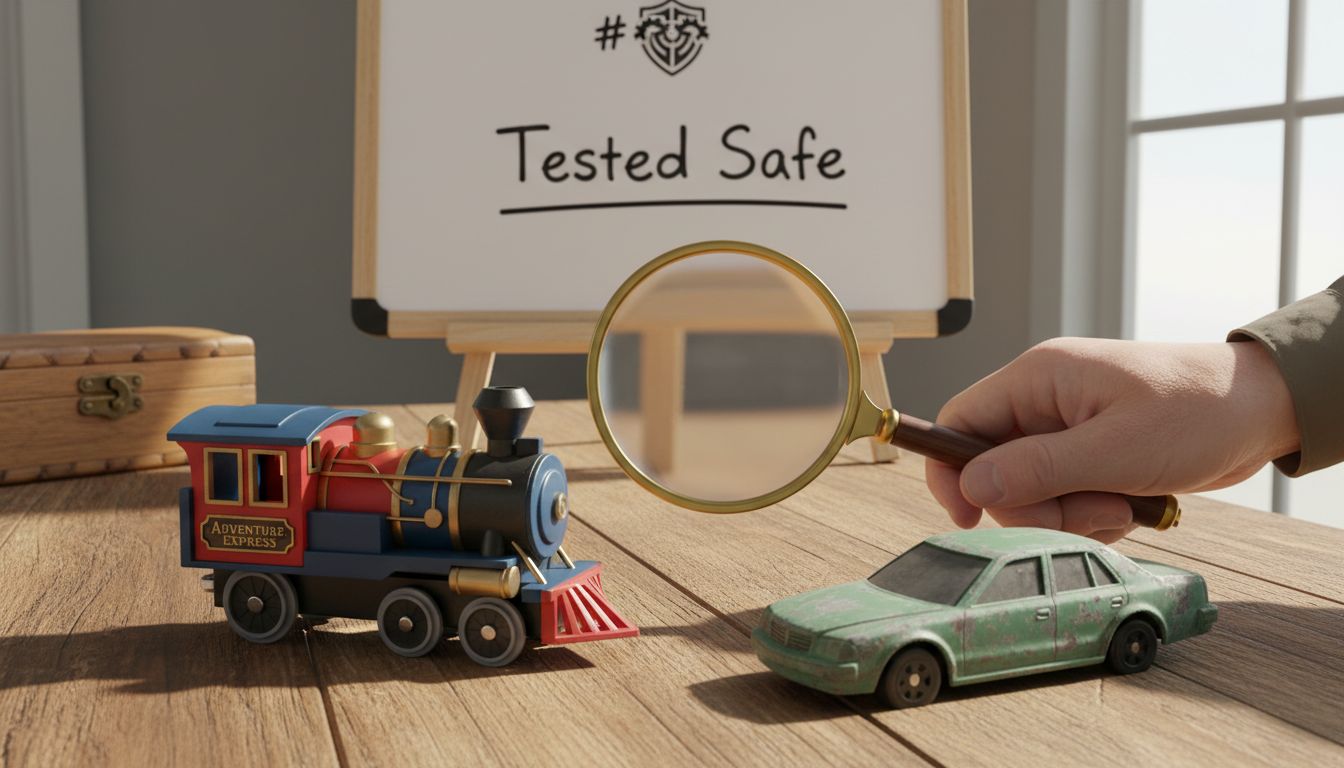
Research consistently highlights the substantial differences between established brands and unverified manufacturers. Investigations by Toy Industries of Europe reveal that 80% of toys from third-party sellers fail critical safety and quality assessments, underscoring the importance of purchasing from reputable manufacturers committed to rigorous quality control.
Leading toy brands distinguish themselves through multiple quality assurance strategies:
- Advanced material selection processes
- Comprehensive stress testing for physical durability
- Ongoing product development and refinement
- Transparent manufacturing documentation
Moreover, government warnings about counterfeit products emphasise the risks associated with substandard toy production. Established brands invest significantly in research, development, and testing to ensure their products not only entertain but also provide safe, long-lasting play experiences that support children’s developmental needs.
Discerning parents understand that investing in high-quality branded toys represents more than a purchase—it’s a commitment to their child’s safety, learning, and imaginative growth. By prioritising brands with proven track records of durability, safety, and educational value, families can confidently select toys that will become cherished playtime companions.
Educational Value and Child Development Impact
Children’s learning extends far beyond traditional classroom settings, with branded toys playing a pivotal role in developmental experiences. Understanding educational toy selection reveals how thoughtfully designed play experiences can transform simple interactions into powerful learning opportunities.
Research demonstrates the profound psychological impact of branded characters on young minds. Studies examining children’s object preferences indicate that 3- and 4-year-olds are particularly susceptible to recognising and preferring objects featuring familiar entertainment characters, suggesting that strategic brand design can significantly influence cognitive engagement.
Key developmental benefits of high-quality educational branded toys include:
- Stimulating cognitive skill development
- Encouraging problem-solving capabilities
- Supporting fine and gross motor skill progression
- Promoting imaginative thinking and creativity
- Facilitating social and emotional learning
Furthermore, comprehensive educational toy guides highlight how well-designed toys can create immersive learning environments that adapt to children’s developmental stages. By integrating educational principles into play, brands can transform ordinary toys into sophisticated developmental tools that support holistic childhood growth.
Discerning parents recognise that selecting the right branded toys represents an investment in their child’s future. Beyond mere entertainment, these carefully crafted play experiences serve as critical scaffolding for cognitive, emotional, and social development, providing children with engaging pathways to understanding the world around them.
Trust Signals: Recognising Reputable Toy Brands
In the complex landscape of children’s toys, identifying trustworthy brands requires more than casual observation. Investing in quality toys demands a strategic approach that goes beyond aesthetic appeal, focusing on comprehensive safety and developmental criteria.
Trust signals have evolved as critical indicators of brand reliability. The Lion Mark certification, developed by the British Toy & Hobby Association, serves as a paramount example of an official trust signal, indicating that a toy meets rigorous safety and quality standards. These certifications provide parents with immediate visual confirmation of a brand’s commitment to child protection.
Key trust signals for discerning parents include:
- Official safety certifications
- Transparent manufacturing processes
- Detailed product testing documentation
- Independent quality assurance ratings
- Clear age-appropriateness guidelines
- Responsive customer support mechanisms
Trading standards warnings highlight the increasing risks associated with unverified online toy purchases, emphasising the critical importance of selecting brands with established reputations. Parents must look beyond marketing claims, investigating a brand’s genuine commitment to child safety, educational value, and product durability.
Ultimately, recognising reputable toy brands requires a holistic evaluation that considers safety certifications, manufacturing transparency, educational potential, and long-term product quality. Informed parents understand that a truly trustworthy brand represents more than a label—it embodies a comprehensive commitment to children’s developmental needs and well-being.
Common Pitfalls When Overlooking Brand Choice
Ignoring brand reputation when purchasing children’s toys can lead to significant risks that extend far beyond mere product disappointment. Wooden toy selection strategies underscore the critical importance of understanding how brand choices directly impact child safety and developmental experiences.
Research from the UK Intellectual Property Office reveals alarming consequences of neglecting brand verification. Counterfeit toys frequently fail essential safety tests, introducing potential hazards such as toxic chemical exposures and dangerous choking risks that can compromise children’s well-being.
Common pitfalls when overlooking brand choice include:
- Compromised product safety standards
- Potential exposure to harmful materials
- Lack of developmental appropriate design
- Reduced product durability
- Minimal educational value
- Limited customer support and warranty
Investigations by Toy Industries of Europe highlight the systemic risks, demonstrating that 80% of toys from unverified third-party sellers fail critical safety assessments. These findings emphasise that brand selection is not merely a preference but a fundamental aspect of responsible parenting.
Ultimately, parents must recognise that every toy represents an investment in their child’s safety, learning, and development. Carefully evaluating brand reputation, safety certifications, and manufacturing transparency transforms toy shopping from a simple transaction into a strategic decision supporting children’s holistic growth.
Discover Trusted Toy Brands That Support Your Child’s Growth
Choosing the right brand is crucial for your child’s safety, development, and imagination. This article highlights how brand importance drives rigorous safety standards, educational value, and lasting quality in children’s toys. At Learning Bugs, we understand these challenges and share your goals of finding meaningful, developmentally appropriate toys that truly enrich playtime.
Explore our carefully curated selection of timeless wooden toys, engaging role play sets, and educational kits designed with your child’s growth in mind. Every product on Learning Bugs upholds strict safety measures and fosters creativity through active play. Visit our site today to browse by age, brand or play type and make a confident choice that protects and empowers your child now.
Frequently Asked Questions
What are the benefits of choosing branded toys for children?
Choosing branded toys ensures better safety, quality, and developmental potential. Established brands invest in research to create toys that support cognitive, motor, and social skills, making them more than just entertainment.
How do reputable toy brands ensure safety in their products?
Reputable toy brands implement multiple safety protocols, including comprehensive material testing, rigorous durability assessments, and adherence to age-appropriate design standards, all aimed at maintaining the highest safety standards for children.
Why is durability important when selecting children’s toys?
Durability is crucial as it ensures that toys can withstand enthusiastic play without breaking. High-quality branded toys are designed with lasting materials, providing safety and reducing the risk of exposure to harmful components from inferior products.
What role do educational toys play in child development?
Educational toys support various aspects of child development by stimulating cognitive skills, encouraging problem-solving, enhancing motor skills, and promoting creativity. Thoughtfully designed branded toys transform playtime into effective learning experiences.
Recommended
- Why Toys With Purpose: Complete Parenting Guide – Learning Bugs
- Complete Guide to the Role of Toys in Development – Learning Bugs
- The Essential Guide to Best Toys for 2025 – Learning Bugs
- Why Invest in Quality Toys: A Complete Overview – Learning Bugs
- Key Features of a Board Game: What Makes It Great